
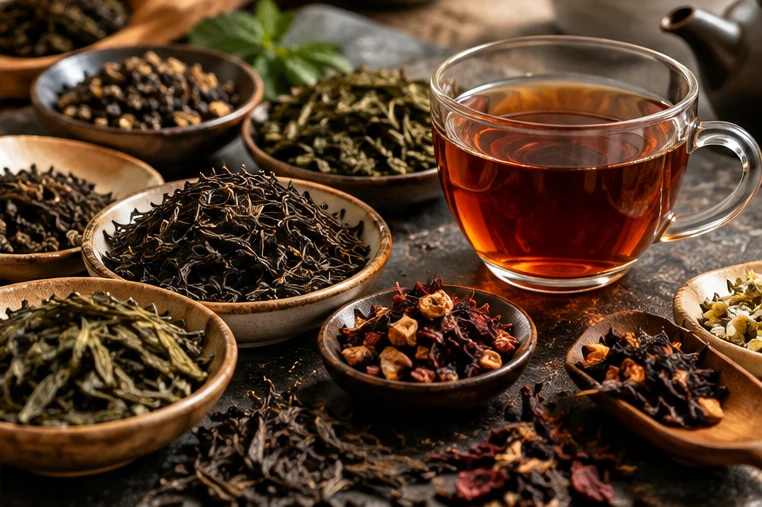
Evidence snapshot: tea and coffee count toward daily fluids, while water remains a practical everyday default.
Tradition and current beliefs explain why people use a tea or herb; they are not proof of a treatment effect. Research applies only to the specific preparation and dose studied. Results from oil, capsule and extract trials must not be presented as demonstrated benefits of a brewed cup. Sources are linked for independent checking. These guides have not had external clinical peer review.
Tea is a fluid, not a hydration loophole
The UK NHS includes tea and coffee among drinks contributing to daily fluid intake. The body receives water from beverages and moisture-rich foods, and requirements vary with weather, activity and individual circumstances.
The claim that a normal cup of tea automatically “dehydrates you” ignores the water you drink with it. Very high caffeine intake is a different question from whether tea counts as a drink.
What about Singapore heat?
In a warm, humid climate or during outdoor exercise, fluid needs can increase. Consider water availability, sweating and the duration of activity rather than following a fixed tea quota.
A familiar unsweetened botanical infusion can add variety for people who struggle to drink enough, but plain water remains simple, affordable and reliable.
Not every tea drink is nutritionally equal
A plain brewed tea and a sweetened milk tea may both contain water, but they are not interchangeable nutrition choices. Syrups, sweetened creamers and toppings add calories and sugars. Choosing an unsweetened option can make a meaningful difference to habitual beverage choices.
No tea needs to be advertised as a detox cleanser. The role of kidneys, liver and adequate hydration is not replaced by a particular flavour.
Practical hydration habits
Keep drinking water accessible, especially in hot weather. Enjoy hot or cold tea without forcing very large volumes. Look at thirst, meals, activity and individual medical guidance—people with fluid restrictions must follow their clinician’s advice.
Frequently asked questions
Does black tea hydrate?
Yes, its fluid contributes to daily intake; caffeine still matters for some individuals.
Is herbal tea better than water?
Not inherently. Plain water is an excellent choice, and appropriate unsweetened infusions offer variety.
Do I need detox tea?
No. “Detox tea” claims are often unsupported and should not substitute for appropriate care.
Sources and further reading
Primary public-health sources for the main claims above. Research on an extract or supplement is not automatically evidence for a brewed beverage.