
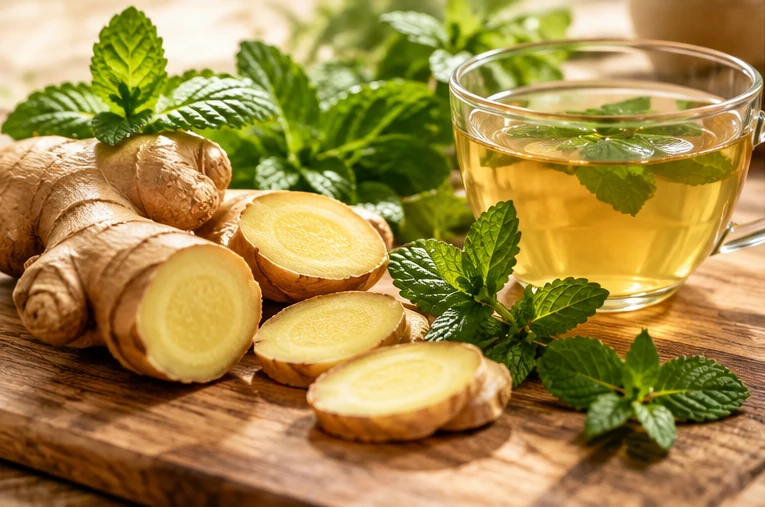
Evidence snapshot: limited evidence for peppermint leaves; some evidence for enteric-coated peppermint-oil capsules in IBS.
Tradition and current beliefs explain why people use a tea or herb; they are not proof of a treatment effect. Research applies only to the specific preparation and dose studied. Results from oil, capsule and extract trials must not be presented as demonstrated benefits of a brewed cup. Sources are linked for independent checking. These guides have not had external clinical peer review.
Peppermint tea is not peppermint oil
An infusion contains compounds extracted from peppermint leaves into water. Enteric-coated capsules deliver peppermint oil in a different form and dose. Clinical trials reporting improvement in IBS symptoms often investigated those capsules, not mugs of tea.
NCCIH specifically notes that research on peppermint leaf is scarce and evidence is insufficient to reach definite conclusions about its usefulness for health conditions.
Why people associate it with digestion
Peppermint is aromatic and often served after meals. Enjoyment, tradition and the warmth of a drink can contribute to a pleasant routine. Those experiences do not establish a treatment for recurring pain, bowel disease or indigestion.
A useful health website names the preparation being discussed whenever it refers to research. Without that distinction, readers might mistake capsule evidence for tea evidence.
Reflux and other cautions
Peppermint oil can cause heartburn and aggravate reflux, and peppermint drinks do not suit everyone with those symptoms. If you notice burning, sour regurgitation or irritation after mint, try a non-mint drink and discuss persistent reflux with a clinician.
Avoid substituting essential oil drops for tea leaves. Essential oils are highly concentrated and should not be used as if they were food-grade herbal infusions.
Choosing an honest mint infusion
Look for plain, food-grade peppermint leaf or a blend with clearly listed ingredients. A basic mint infusion is naturally caffeine-free, but peppermint combined with green or black tea is not. Brew for flavour rather than attempting to medicate a symptom.
Frequently asked questions
Does peppermint tea cure bloating?
There is insufficient evidence to say that ordinary peppermint tea treats bloating.
Is mint always good after a meal?
Not if it worsens your heartburn or reflux.
Is peppermint tea caffeine-free?
Plain peppermint leaves are naturally caffeine-free; blended products vary.
Sources and further reading
Primary public-health sources for the main claims above. Research on an extract or supplement is not automatically evidence for a brewed beverage.