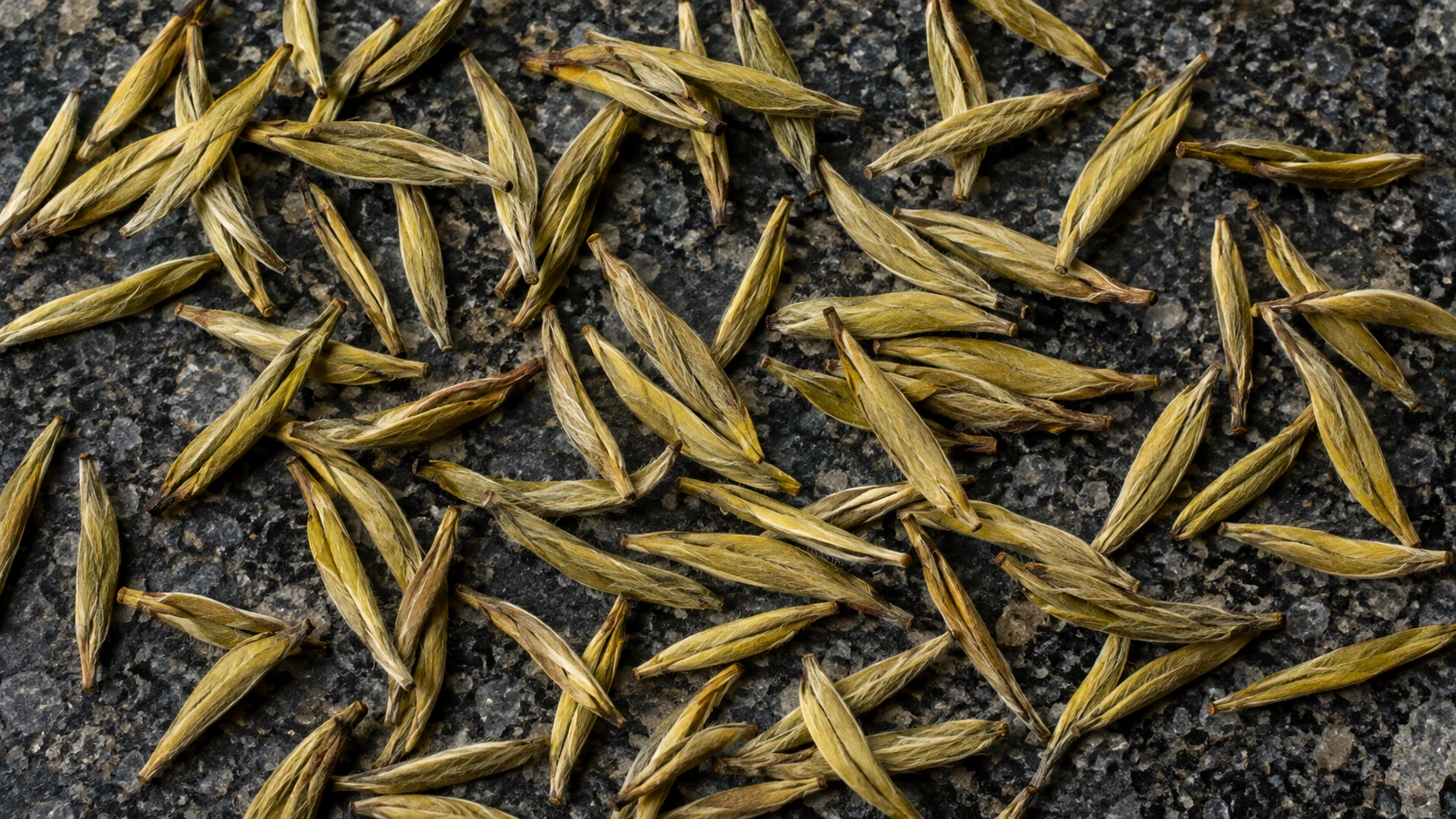
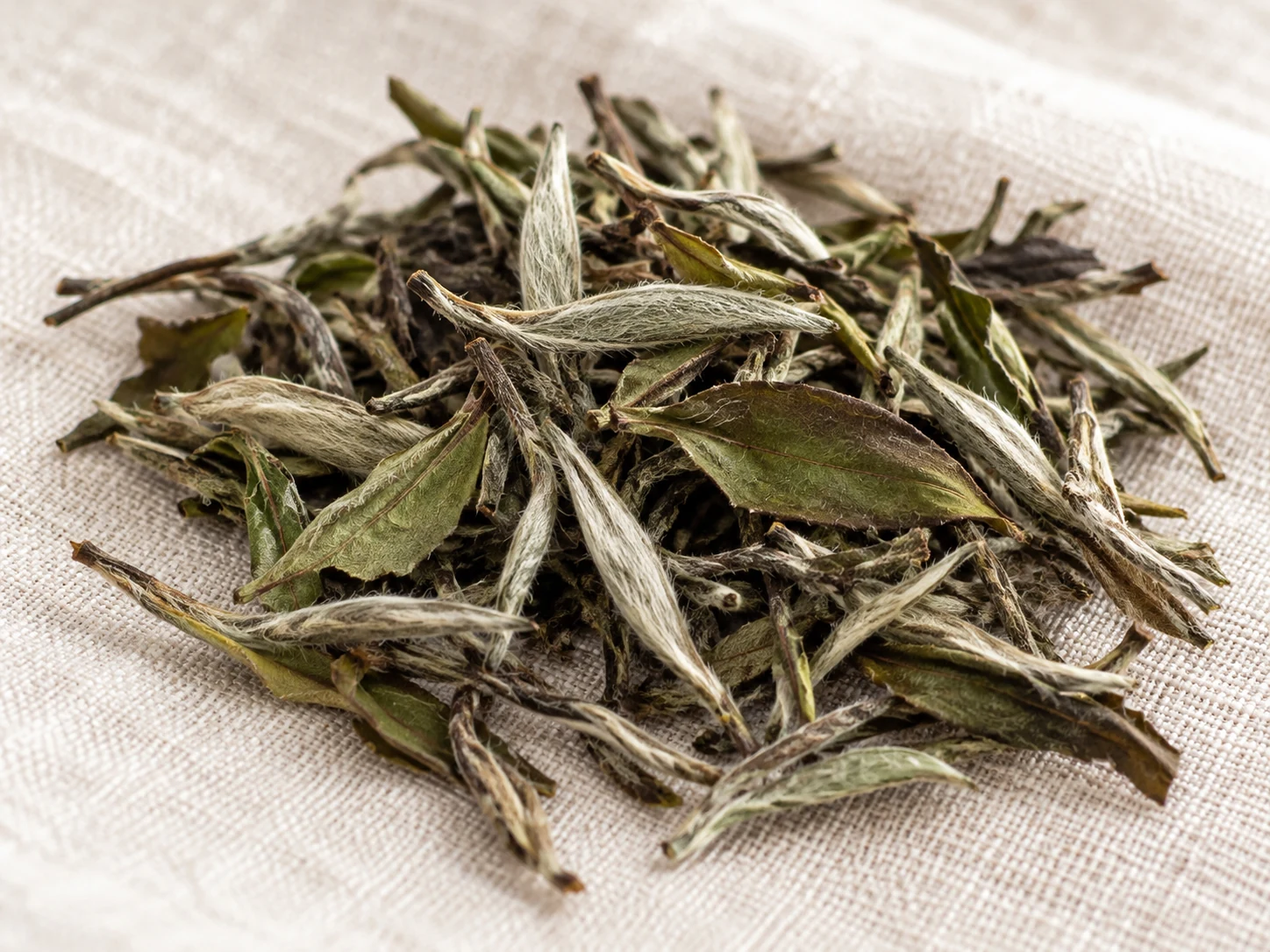
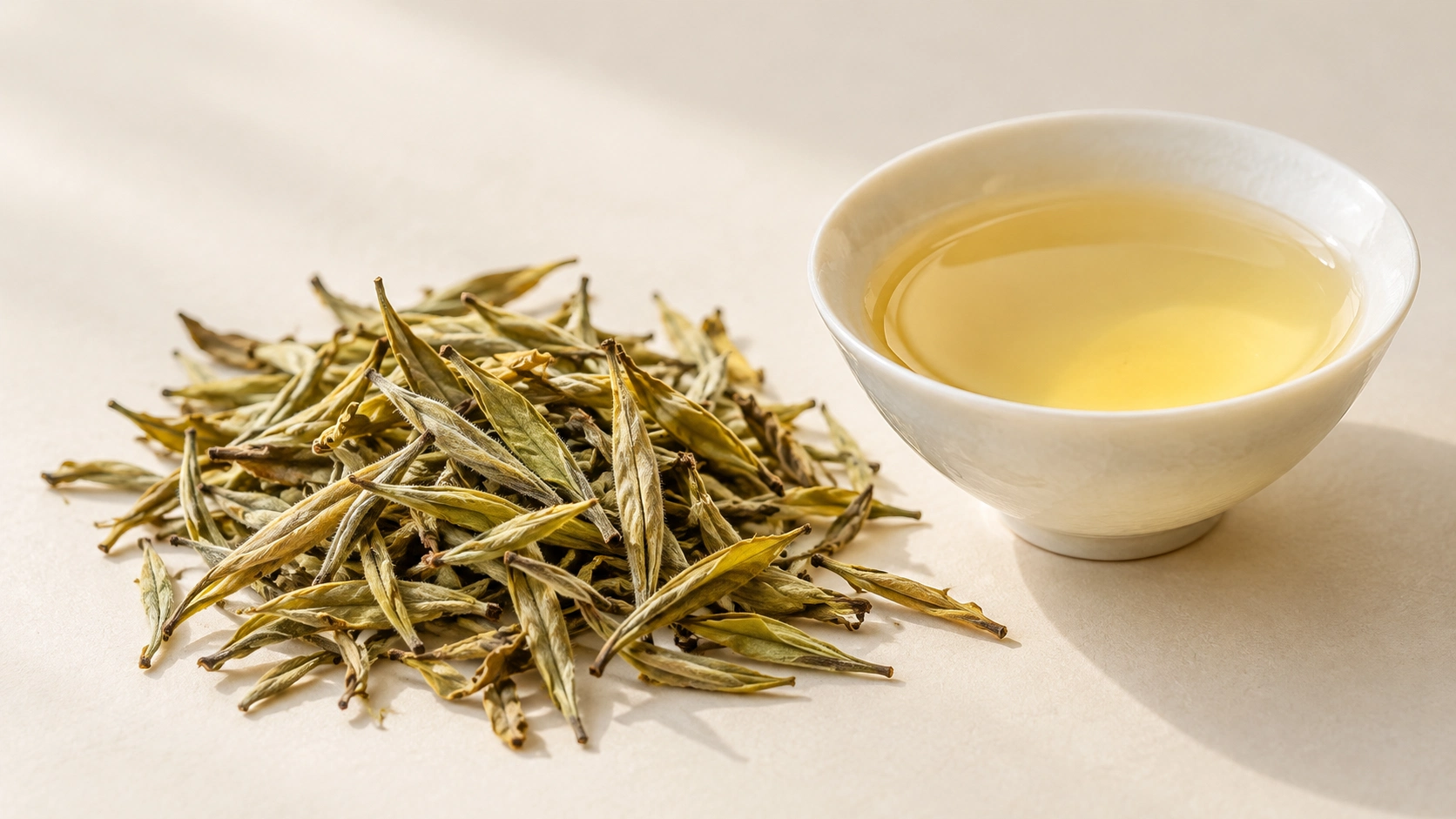
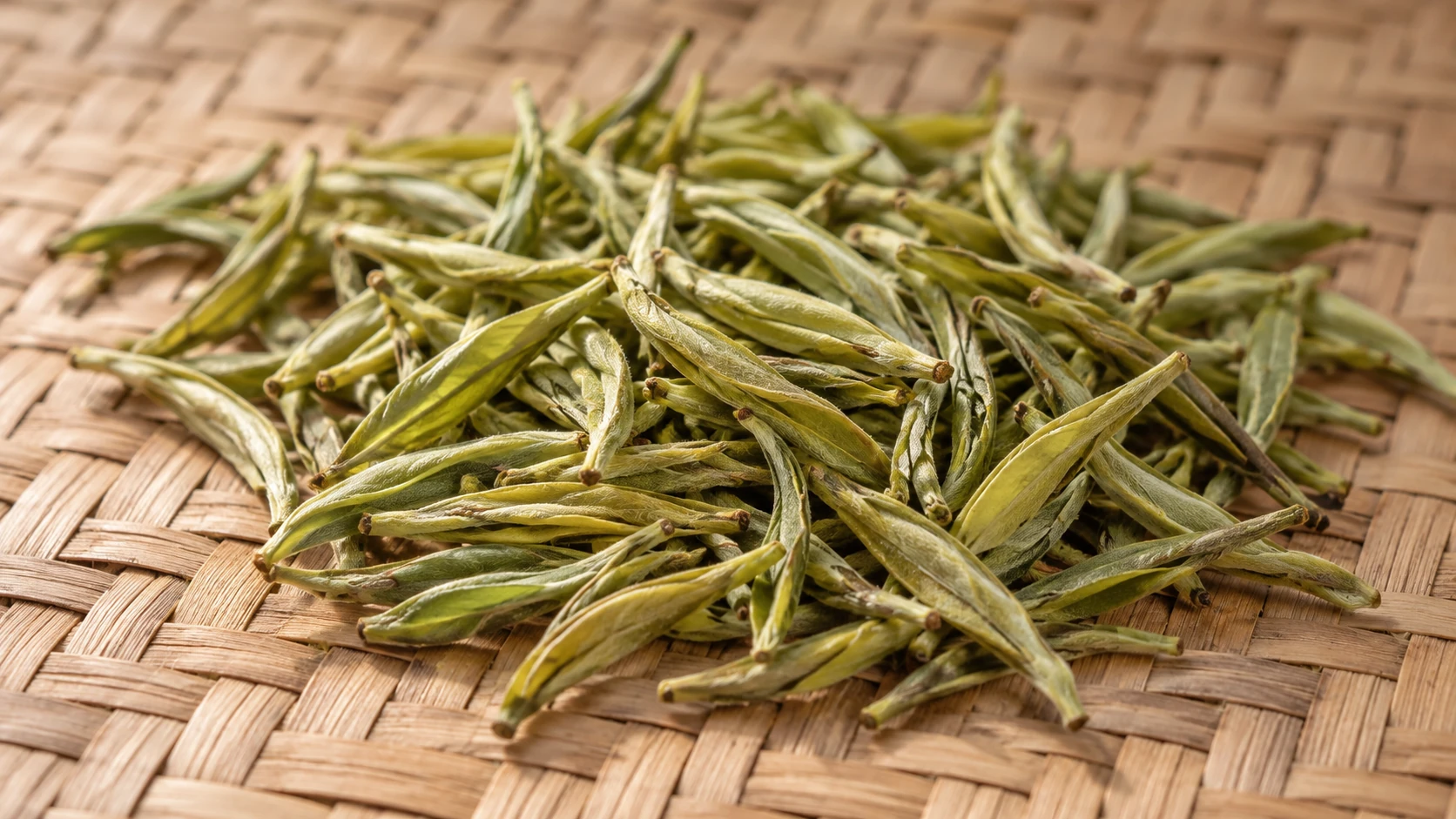
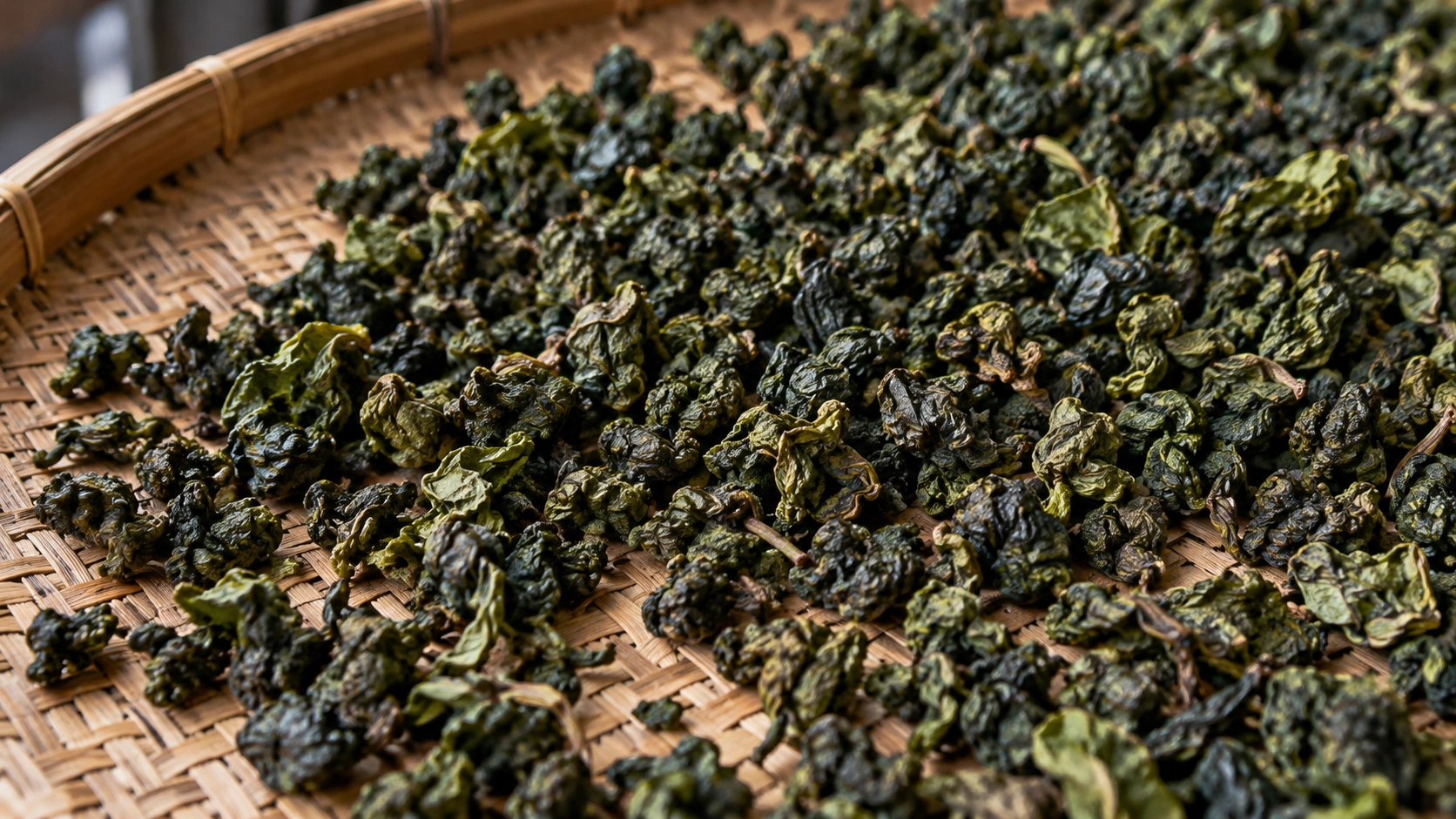
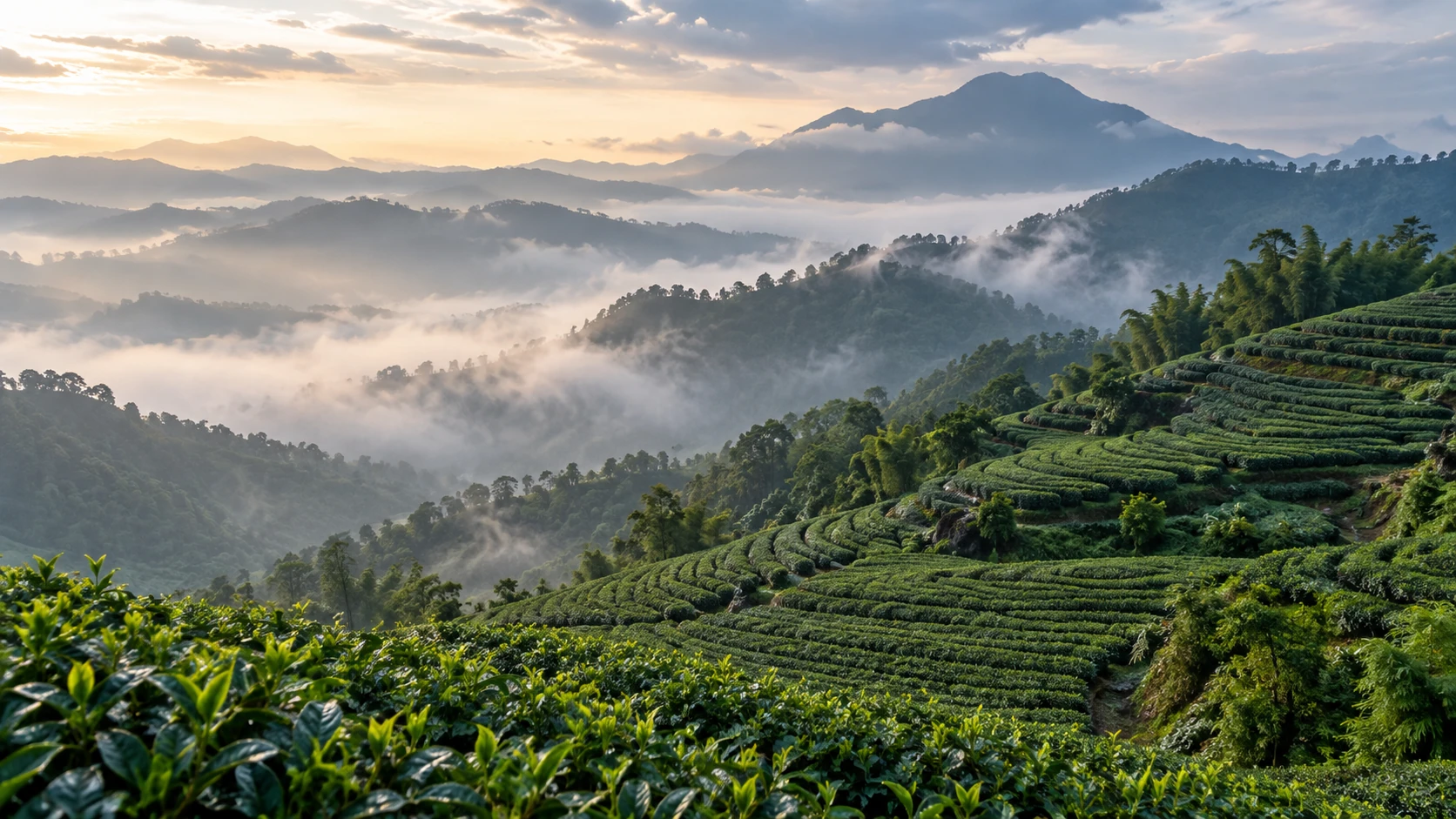
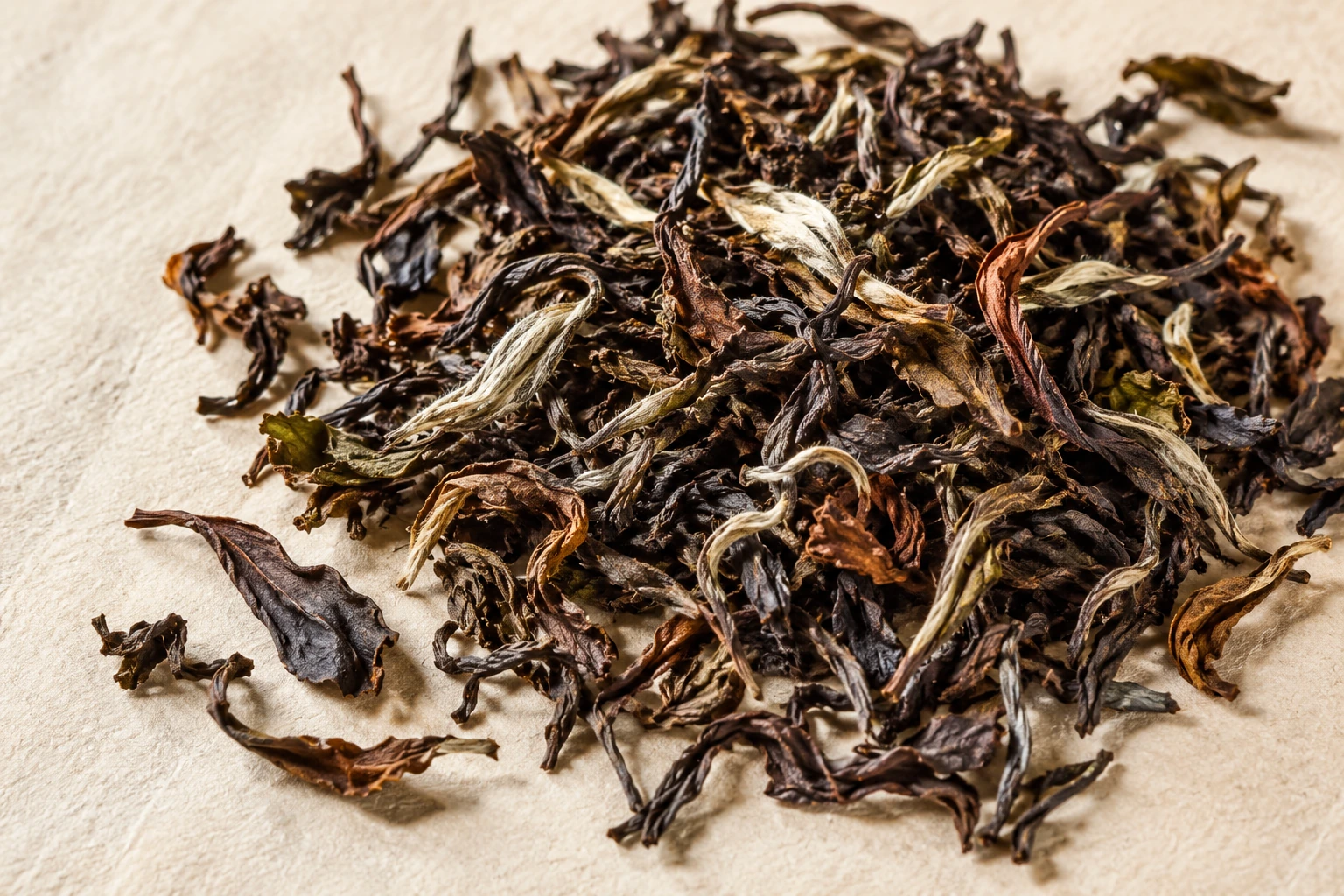
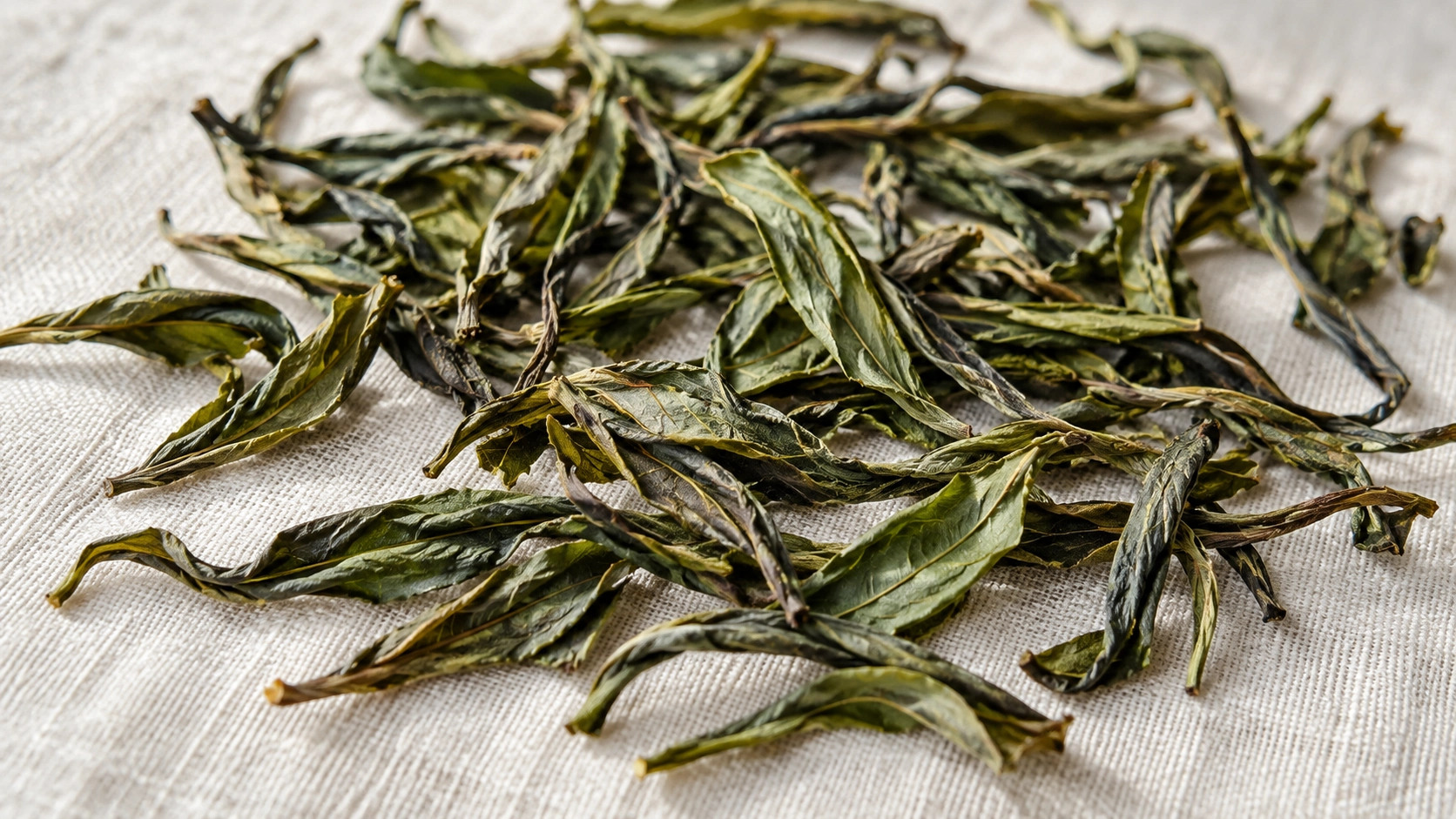
Green 001
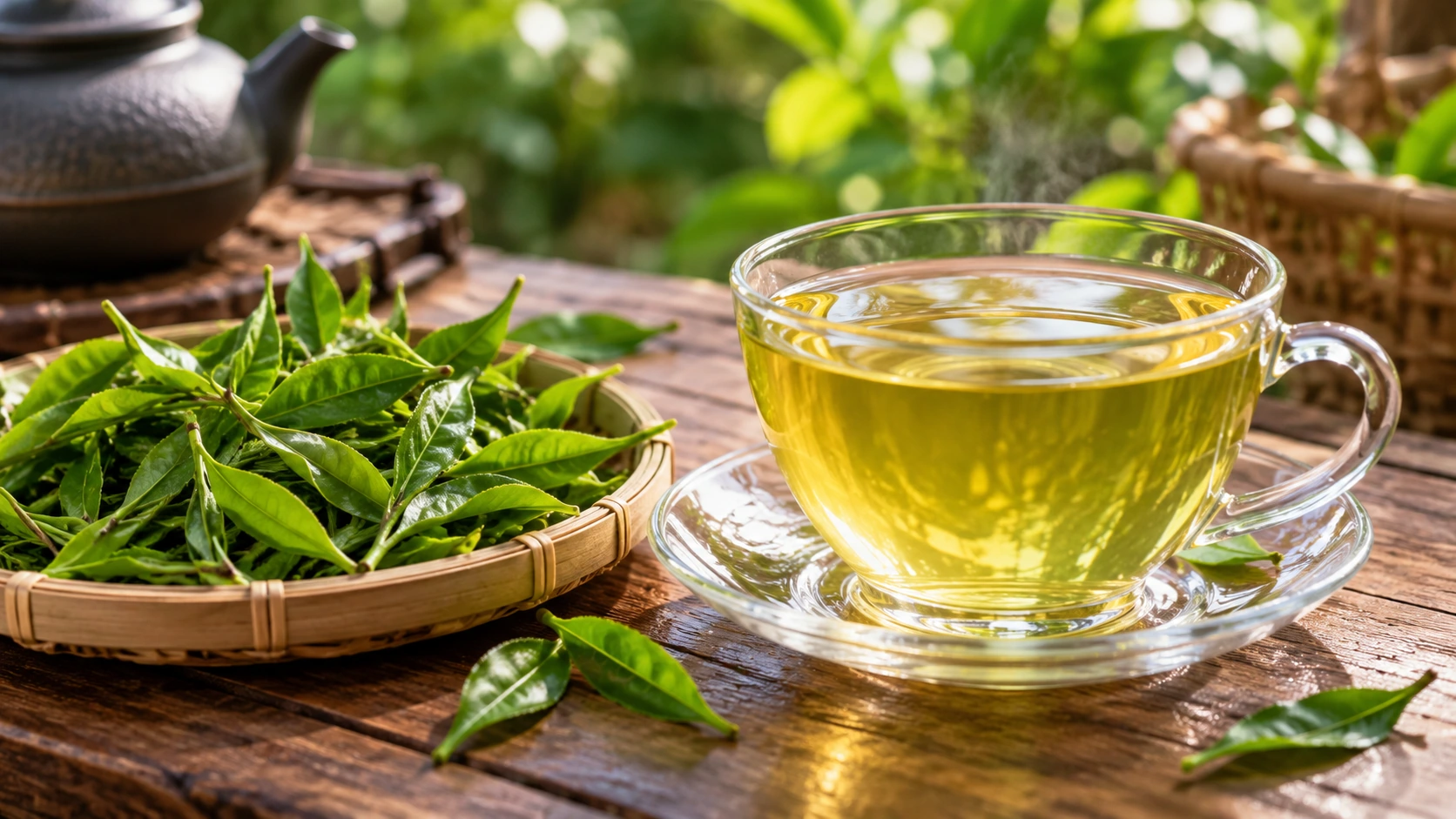
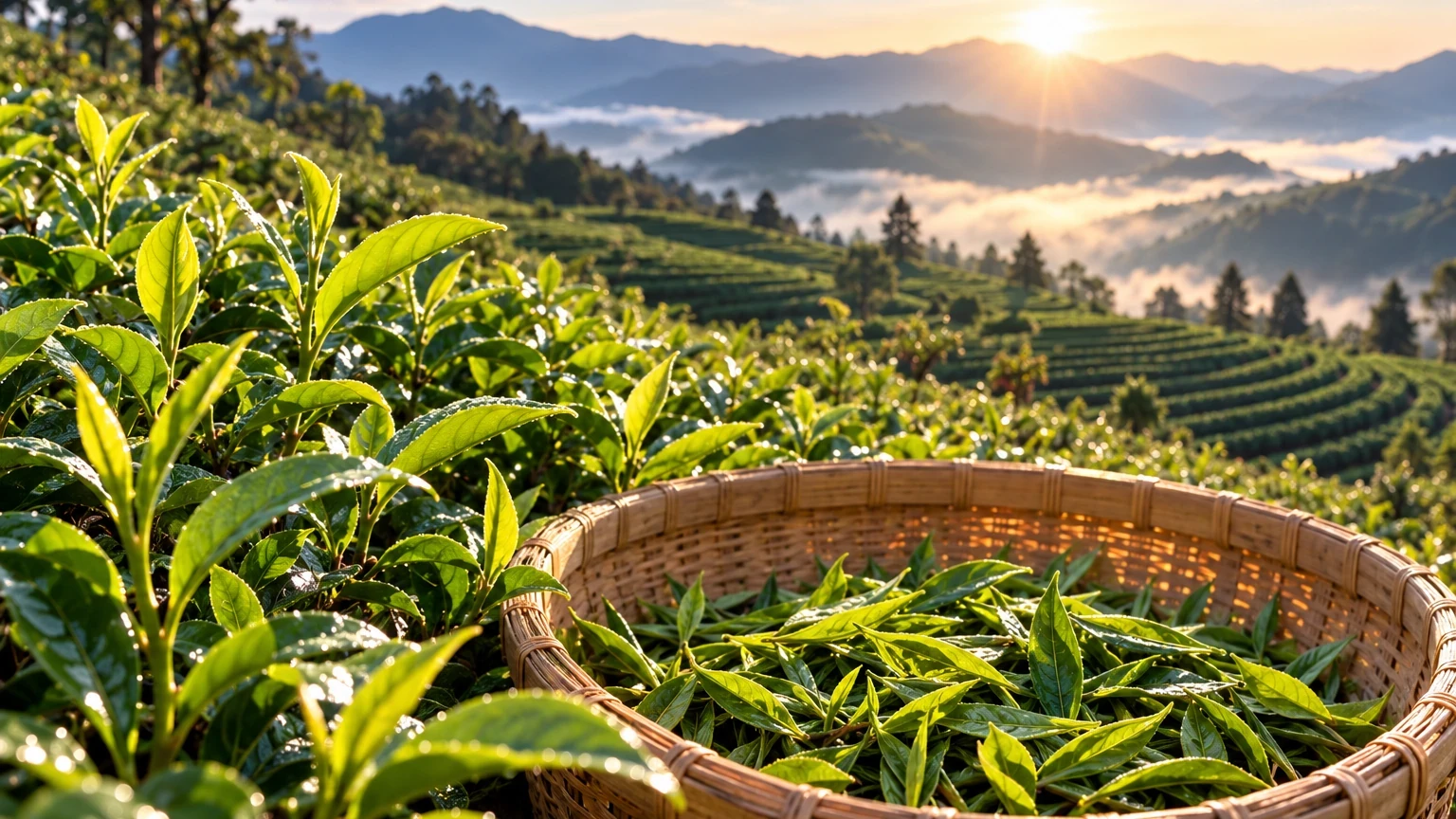
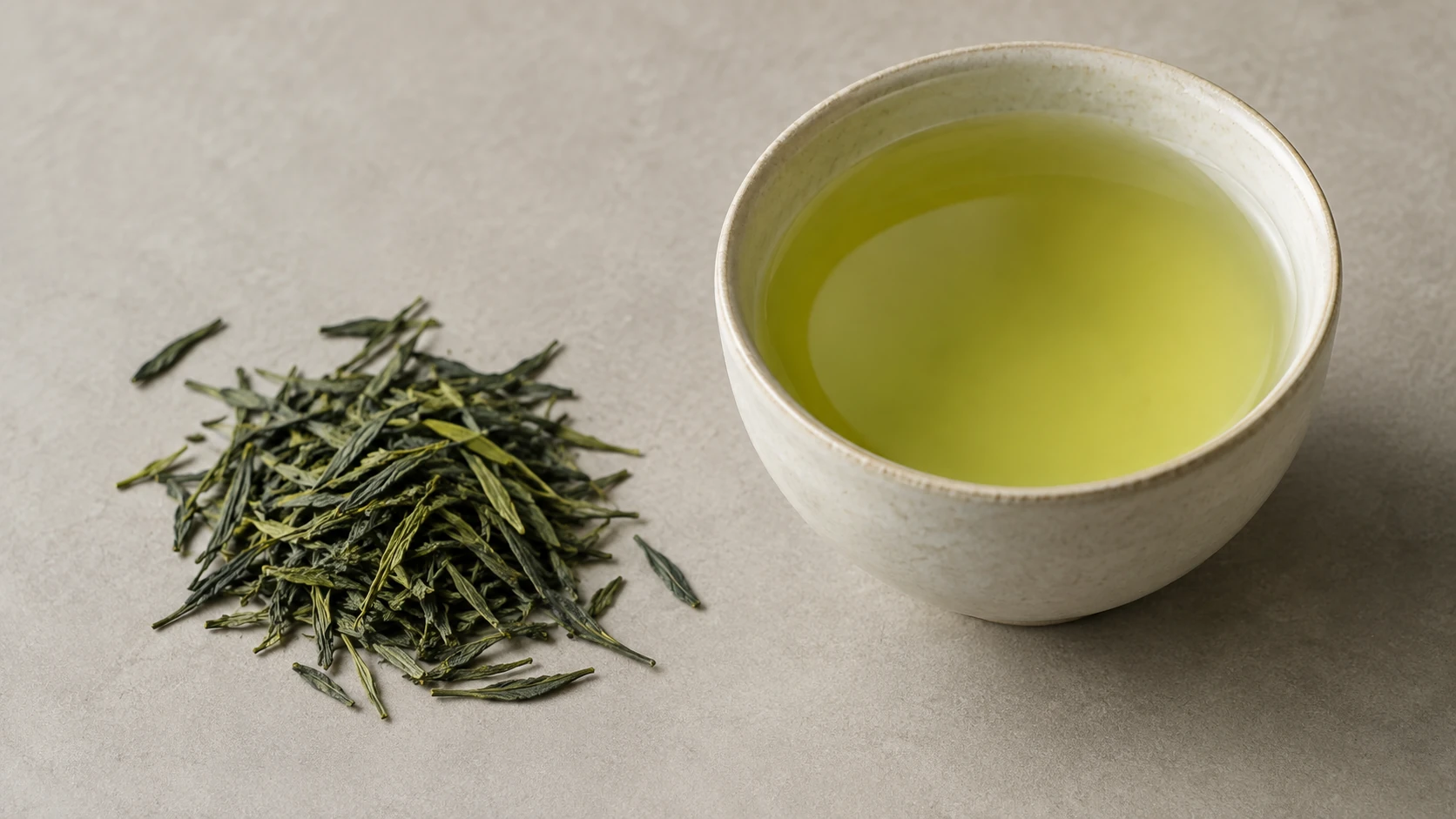
Green tea China, Japan and many regions
Unoxidised tea; brewing and leaf style shape bitterness and aroma.
Open Green tea reference China, Japan and many regions
Tea family Green Region or tradition China, Japan and many regions Caffeine Naturally contains caffeine Brewing strength, leaf quantity and portion size affect caffeine exposure. A mild taste does not prove a low caffeine content.
Read the related evidence and safety guide → Reference summary, not a treatment recommendation. Ingredient identity and preparation matter.
Green 002
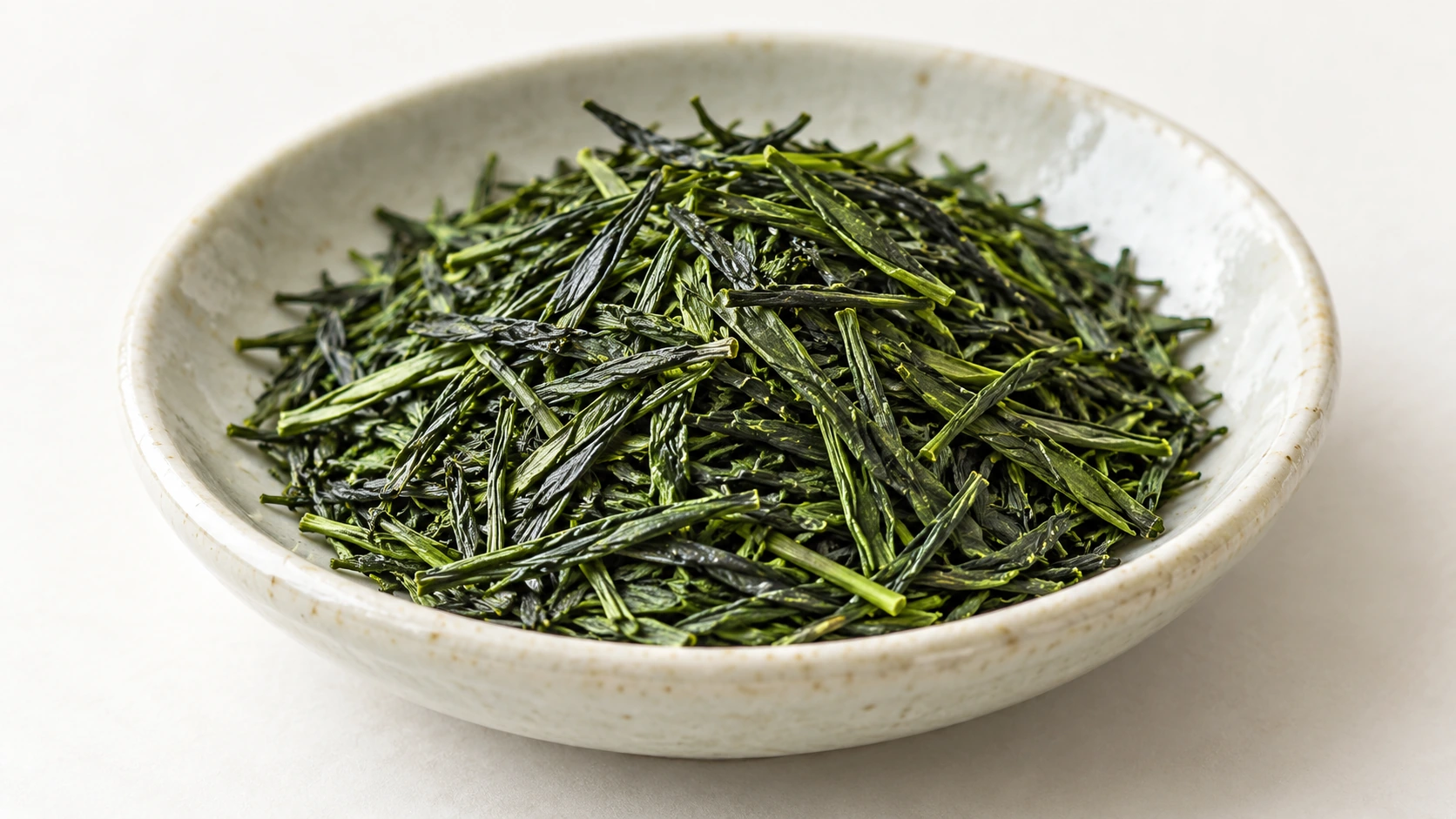
Sencha Japan
Steamed green tea; grassy, marine and savoury profiles.
Open Sencha reference Japan
Tea family Green Region or tradition Japan Caffeine Naturally contains caffeine Brewing strength, leaf quantity and portion size affect caffeine exposure. A mild taste does not prove a low caffeine content.
Read the related evidence and safety guide → Reference summary, not a treatment recommendation. Ingredient identity and preparation matter.
Green 003
Gyokuro Japan
Shade-grown Japanese green tea, generally rich and umami-forward.
Open Gyokuro reference Japan
Tea family Green Region or tradition Japan Caffeine Naturally contains caffeine Brewing strength, leaf quantity and portion size affect caffeine exposure. A mild taste does not prove a low caffeine content.
Read the related evidence and safety guide → Reference summary, not a treatment recommendation. Ingredient identity and preparation matter.
Green 004
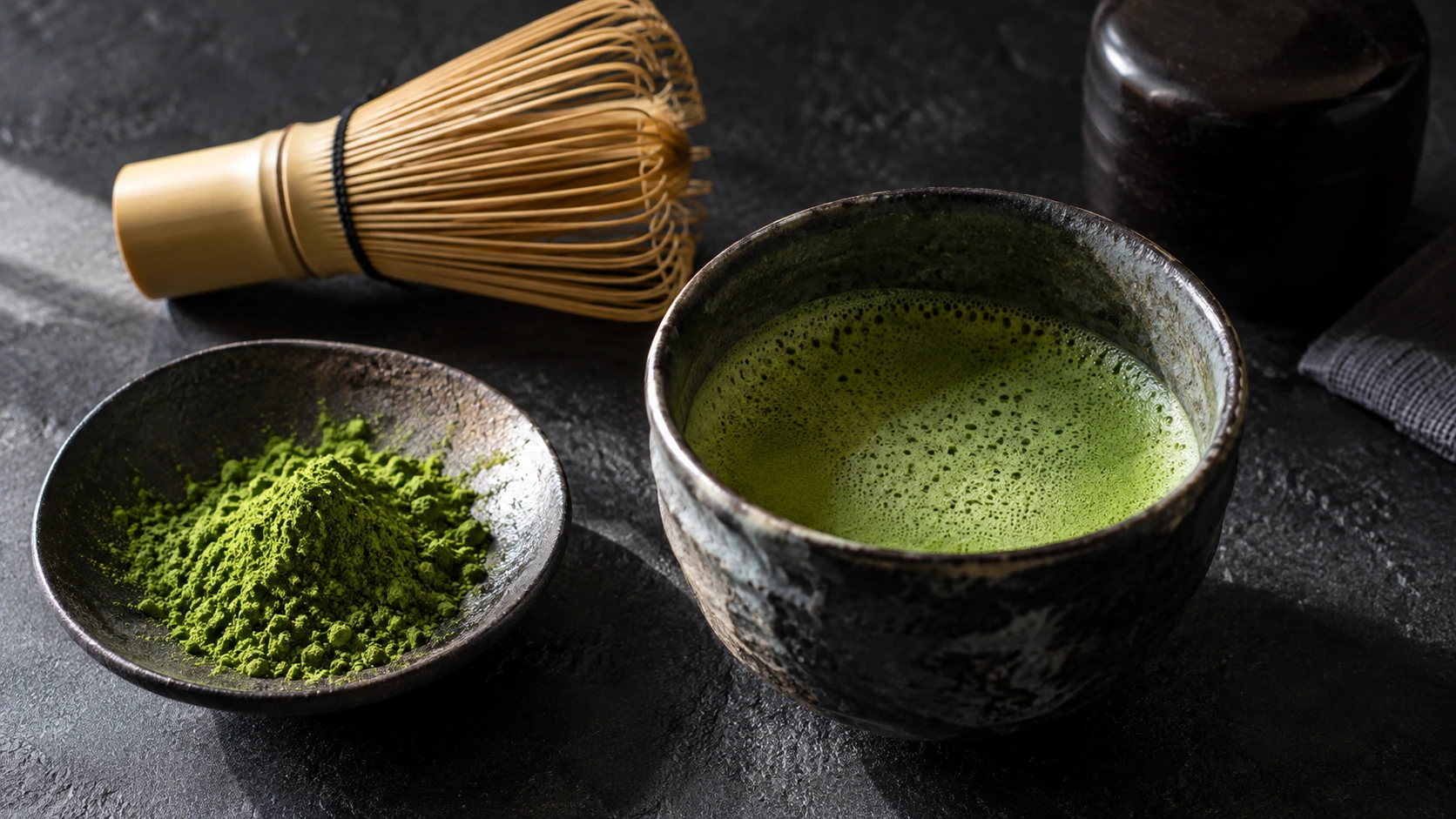
Matcha Japan
Powdered green tea consumed as suspended leaf; caffeine per serving depends on powder dose.
Open Matcha reference Japan
Tea family Green Region or tradition Japan Caffeine Naturally contains caffeine Brewing strength, leaf quantity and portion size affect caffeine exposure. A mild taste does not prove a low caffeine content.
Read the related evidence and safety guide → Reference summary, not a treatment recommendation. Ingredient identity and preparation matter.
Green 005
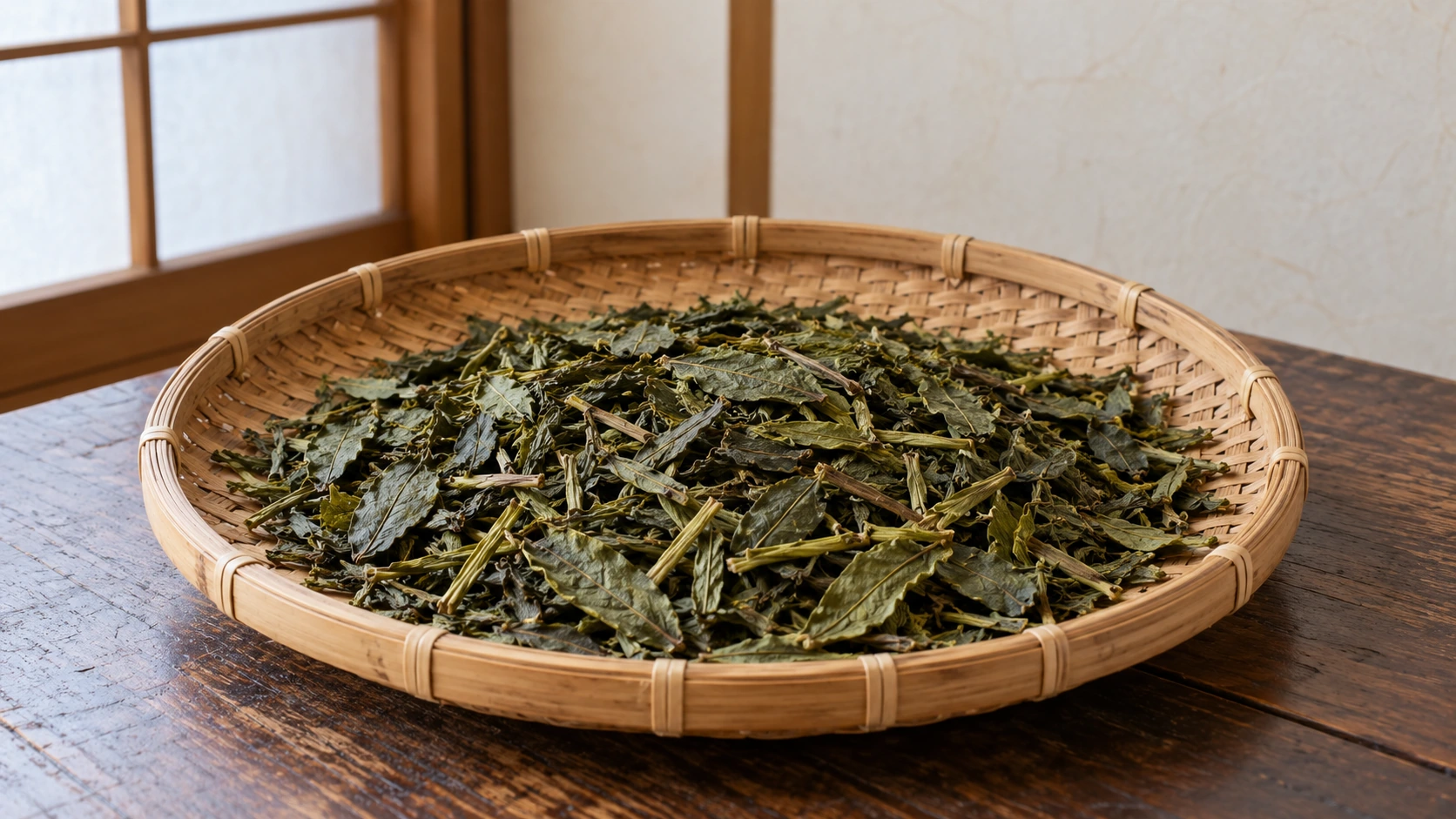
Bancha Japan
Japanese everyday green tea from later-season or coarser leaf grades.
Open Bancha reference Japan
Tea family Green Region or tradition Japan Caffeine Naturally contains caffeine Brewing strength, leaf quantity and portion size affect caffeine exposure. A mild taste does not prove a low caffeine content.
Read the related evidence and safety guide → Reference summary, not a treatment recommendation. Ingredient identity and preparation matter.
Roasted green 006
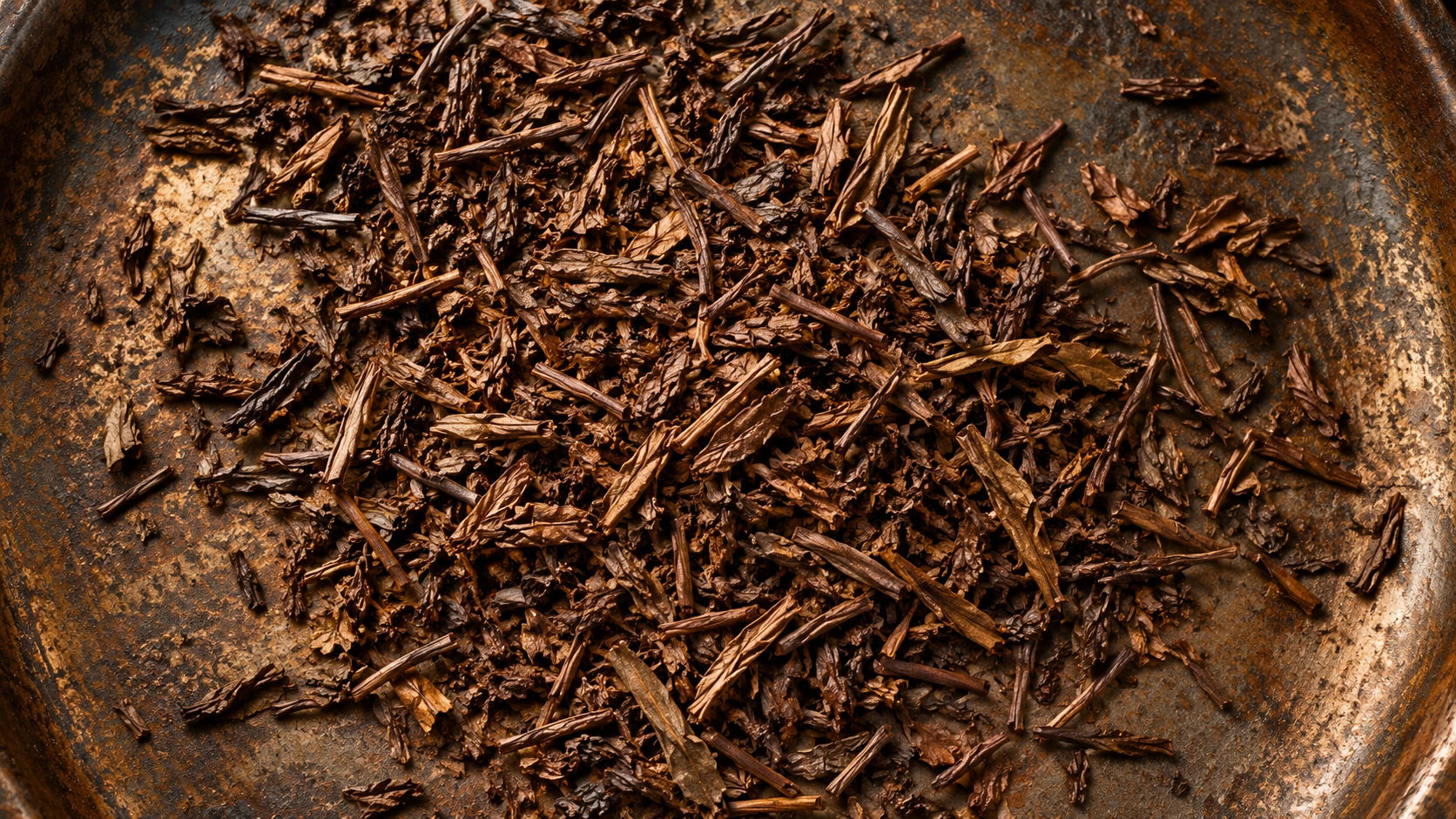
Hojicha Japan
Roasted Japanese green tea; still contains caffeine, despite its gentle flavour.
Open Hojicha reference Japan
Tea family Roasted green Region or tradition Japan Caffeine Naturally contains caffeine Brewing strength, leaf quantity and portion size affect caffeine exposure. A mild taste does not prove a low caffeine content.
Read the related evidence and safety guide → Reference summary, not a treatment recommendation. Ingredient identity and preparation matter.
Green and rice 007
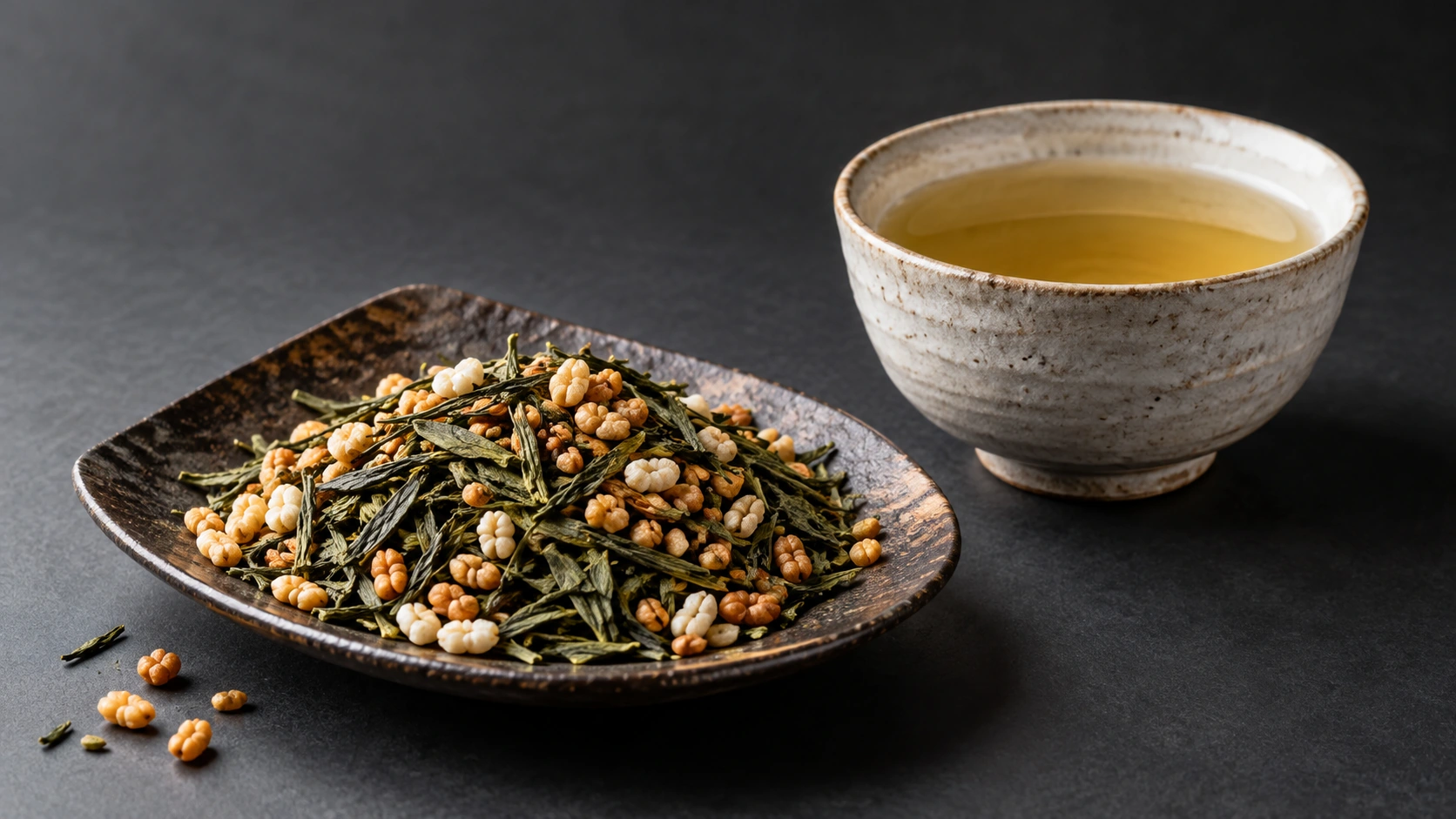
Genmaicha Japan
Green tea blended with roasted rice; not automatically caffeine-free.
Open Genmaicha reference Japan
Tea family Green and rice Region or tradition Japan Caffeine Naturally contains caffeine Brewing strength, leaf quantity and portion size affect caffeine exposure. A mild taste does not prove a low caffeine content.
Read the related evidence and safety guide → Reference summary, not a treatment recommendation. Ingredient identity and preparation matter.
Green 008
Kabusecha Japan
Partially shade-grown Japanese green tea.
Open Kabusecha reference Japan
Tea family Green Region or tradition Japan Caffeine Naturally contains caffeine Brewing strength, leaf quantity and portion size affect caffeine exposure. A mild taste does not prove a low caffeine content.
Read the related evidence and safety guide → Reference summary, not a treatment recommendation. Ingredient identity and preparation matter.
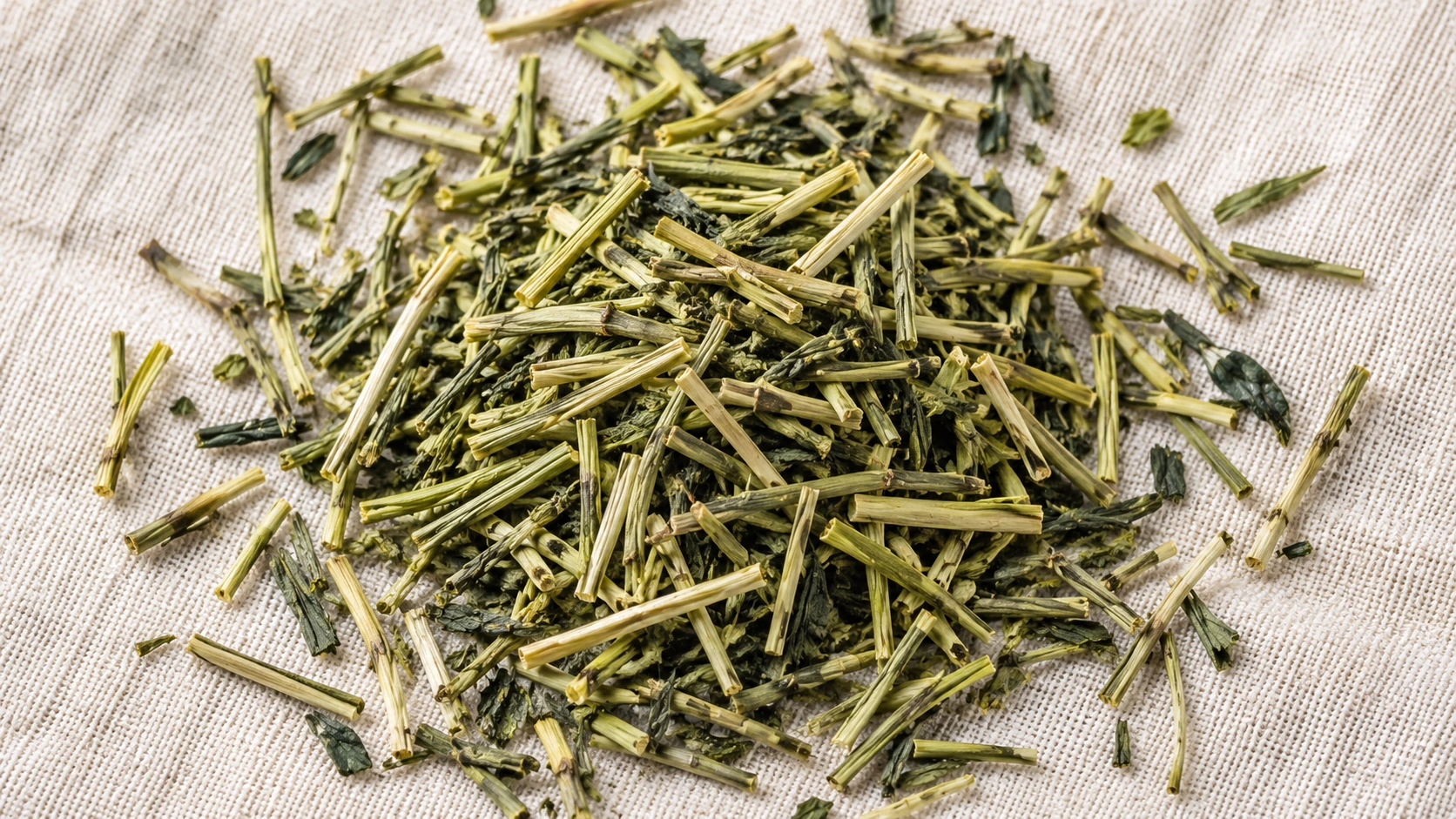
Stem tea 009
Kukicha Japan
Tea made using stems and stalks; caffeine is not guaranteed to be negligible.
Open Kukicha reference Japan
Tea family Stem tea Region or tradition Japan Caffeine Naturally contains caffeine Brewing strength, leaf quantity and portion size affect caffeine exposure. A mild taste does not prove a low caffeine content.
Read the related evidence and safety guide → Reference summary, not a treatment recommendation. Ingredient identity and preparation matter.
Green 010
Longjing (Dragon Well) China · Zhejiang
Pan-fired flat-leaf Chinese green tea with toasted and chestnut-like notes.
Open Longjing (Dragon Well) reference China · Zhejiang
Tea family Green Region or tradition China · Zhejiang Caffeine Naturally contains caffeine Brewing strength, leaf quantity and portion size affect caffeine exposure. A mild taste does not prove a low caffeine content.
Read the related evidence and safety guide → Reference summary, not a treatment recommendation. Ingredient identity and preparation matter.
Green 011
Biluochun China · Jiangsu
Fine curled Chinese green tea known for floral aroma.
Open Biluochun reference China · Jiangsu
Tea family Green Region or tradition China · Jiangsu Caffeine Naturally contains caffeine Brewing strength, leaf quantity and portion size affect caffeine exposure. A mild taste does not prove a low caffeine content.
Read the related evidence and safety guide → Reference summary, not a treatment recommendation. Ingredient identity and preparation matter.
Green 012
Huangshan Maofeng China · Anhui
Classic Chinese green tea with slender leaves.
Open Huangshan Maofeng reference China · Anhui
Tea family Green Region or tradition China · Anhui Caffeine Naturally contains caffeine Brewing strength, leaf quantity and portion size affect caffeine exposure. A mild taste does not prove a low caffeine content.
Read the related evidence and safety guide → Reference summary, not a treatment recommendation. Ingredient identity and preparation matter.
Green 013
Taiping Houkui China · Anhui
Large pressed-flat green tea leaves with an unusually striking shape.
Open Taiping Houkui reference China · Anhui
Tea family Green Region or tradition China · Anhui Caffeine Naturally contains caffeine Brewing strength, leaf quantity and portion size affect caffeine exposure. A mild taste does not prove a low caffeine content.
Read the related evidence and safety guide → Reference summary, not a treatment recommendation. Ingredient identity and preparation matter.
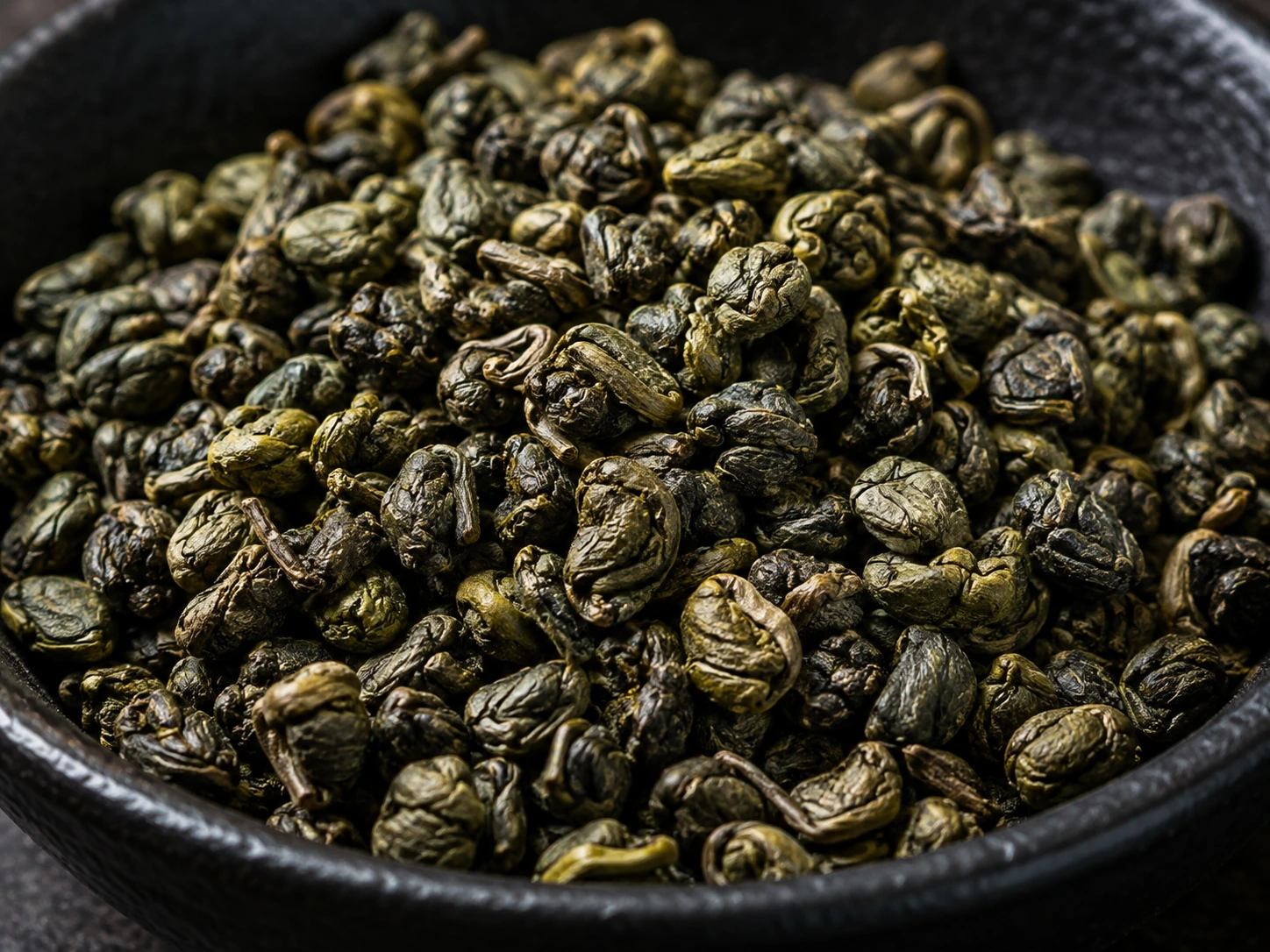
Green 014
Gunpowder tea China
Green tea rolled into small pellets, common in mint-tea preparation.
Open Gunpowder tea reference China
Tea family Green Region or tradition China Caffeine Naturally contains caffeine Brewing strength, leaf quantity and portion size affect caffeine exposure. A mild taste does not prove a low caffeine content.
Read the related evidence and safety guide → Reference summary, not a treatment recommendation. Ingredient identity and preparation matter.
White 015
White tea China and other regions
Lightly processed Camellia sinensis leaves and buds; does contain caffeine.
Open White tea reference China and other regions
Tea family White Region or tradition China and other regions Caffeine Naturally contains caffeine Brewing strength, leaf quantity and portion size affect caffeine exposure. A mild taste does not prove a low caffeine content.
Read the related evidence and safety guide → Reference summary, not a treatment recommendation. Ingredient identity and preparation matter.
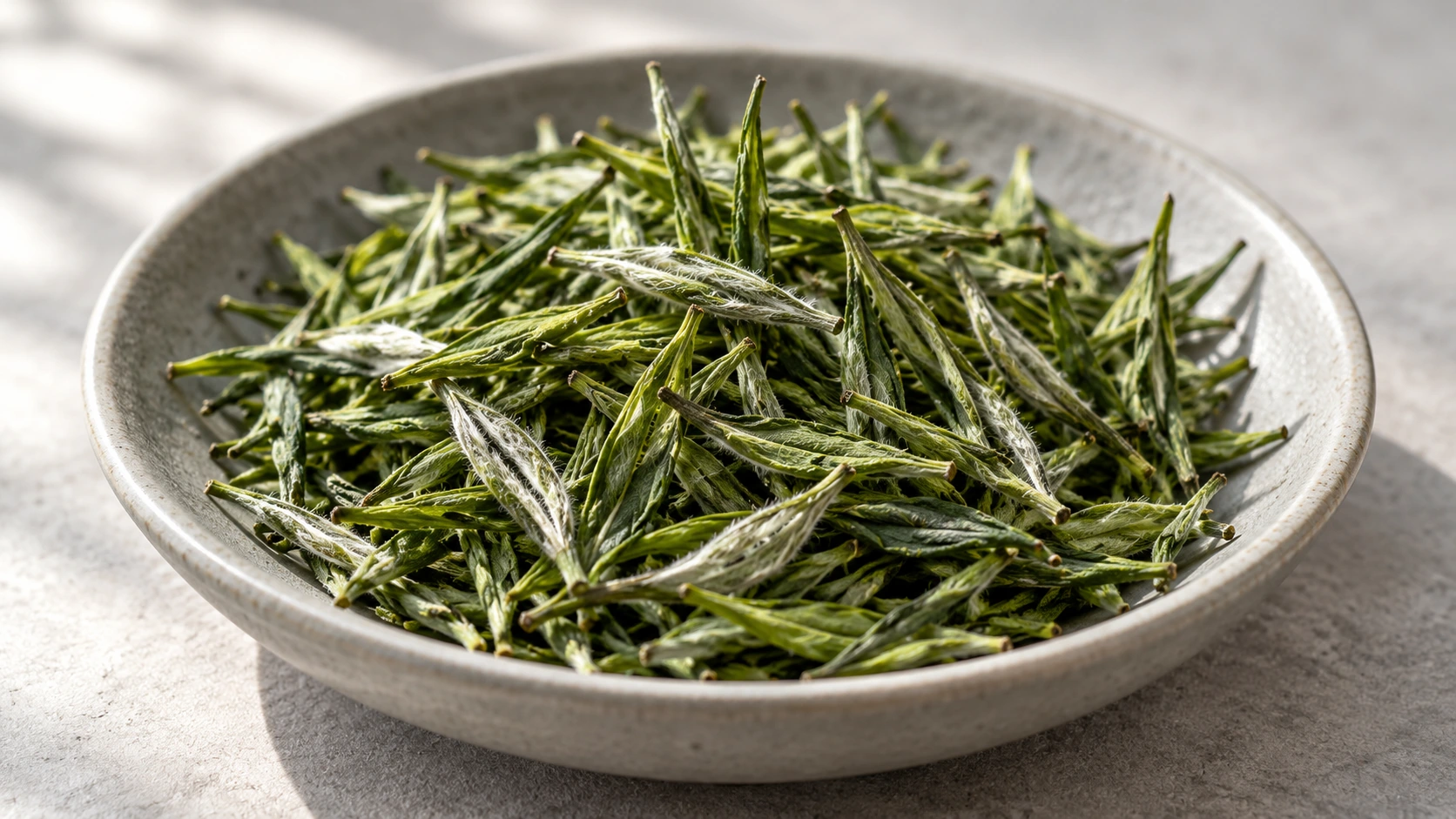
White 016
Silver Needle (Baihao Yinzhen) China · Fujian
Bud-focused white tea, often delicate and subtle.
Open Silver Needle (Baihao Yinzhen) reference China · Fujian
Tea family White Region or tradition China · Fujian Caffeine Naturally contains caffeine Brewing strength, leaf quantity and portion size affect caffeine exposure. A mild taste does not prove a low caffeine content.
Read the related evidence and safety guide → Reference summary, not a treatment recommendation. Ingredient identity and preparation matter.
White 017
White Peony (Bai Mudan) China · Fujian
White tea made with buds and leaves, often fuller than Silver Needle.
Open White Peony (Bai Mudan) reference China · Fujian
Tea family White Region or tradition China · Fujian Caffeine Naturally contains caffeine Brewing strength, leaf quantity and portion size affect caffeine exposure. A mild taste does not prove a low caffeine content.
Read the related evidence and safety guide → Reference summary, not a treatment recommendation. Ingredient identity and preparation matter.
White 018
Shou Mei China
Leaf-forward white tea with fuller character.
Open Shou Mei reference China
Tea family White Region or tradition China Caffeine Naturally contains caffeine Brewing strength, leaf quantity and portion size affect caffeine exposure. A mild taste does not prove a low caffeine content.
Read the related evidence and safety guide → Reference summary, not a treatment recommendation. Ingredient identity and preparation matter.
Yellow 019
Yellow tea China
Less common tea category with controlled yellowing or sweltering steps.
Open Yellow tea reference China
Tea family Yellow Region or tradition China Caffeine Naturally contains caffeine Brewing strength, leaf quantity and portion size affect caffeine exposure. A mild taste does not prove a low caffeine content.
Read the related evidence and safety guide → Reference summary, not a treatment recommendation. Ingredient identity and preparation matter.
Yellow 020
Junshan Yinzhen China · Hunan
Classic yellow tea; not the same as similarly named white Silver Needle.
Open Junshan Yinzhen reference China · Hunan
Tea family Yellow Region or tradition China · Hunan Caffeine Naturally contains caffeine Brewing strength, leaf quantity and portion size affect caffeine exposure. A mild taste does not prove a low caffeine content.
Read the related evidence and safety guide → Reference summary, not a treatment recommendation. Ingredient identity and preparation matter.
Yellow 021
Huoshan Huangya China · Anhui
A yellow tea associated with Huoshan.
Open Huoshan Huangya reference China · Anhui
Tea family Yellow Region or tradition China · Anhui Caffeine Naturally contains caffeine Brewing strength, leaf quantity and portion size affect caffeine exposure. A mild taste does not prove a low caffeine content.
Read the related evidence and safety guide → Reference summary, not a treatment recommendation. Ingredient identity and preparation matter.
Oolong 022
Oolong tea China, Taiwan and elsewhere
Partially oxidised teas spanning floral, creamy, roasted and mineral styles.
Open Oolong tea reference China, Taiwan and elsewhere
Tea family Oolong Region or tradition China, Taiwan and elsewhere Caffeine Naturally contains caffeine Brewing strength, leaf quantity and portion size affect caffeine exposure. A mild taste does not prove a low caffeine content.
Read the related evidence and safety guide → Reference summary, not a treatment recommendation. Ingredient identity and preparation matter.
Oolong 023
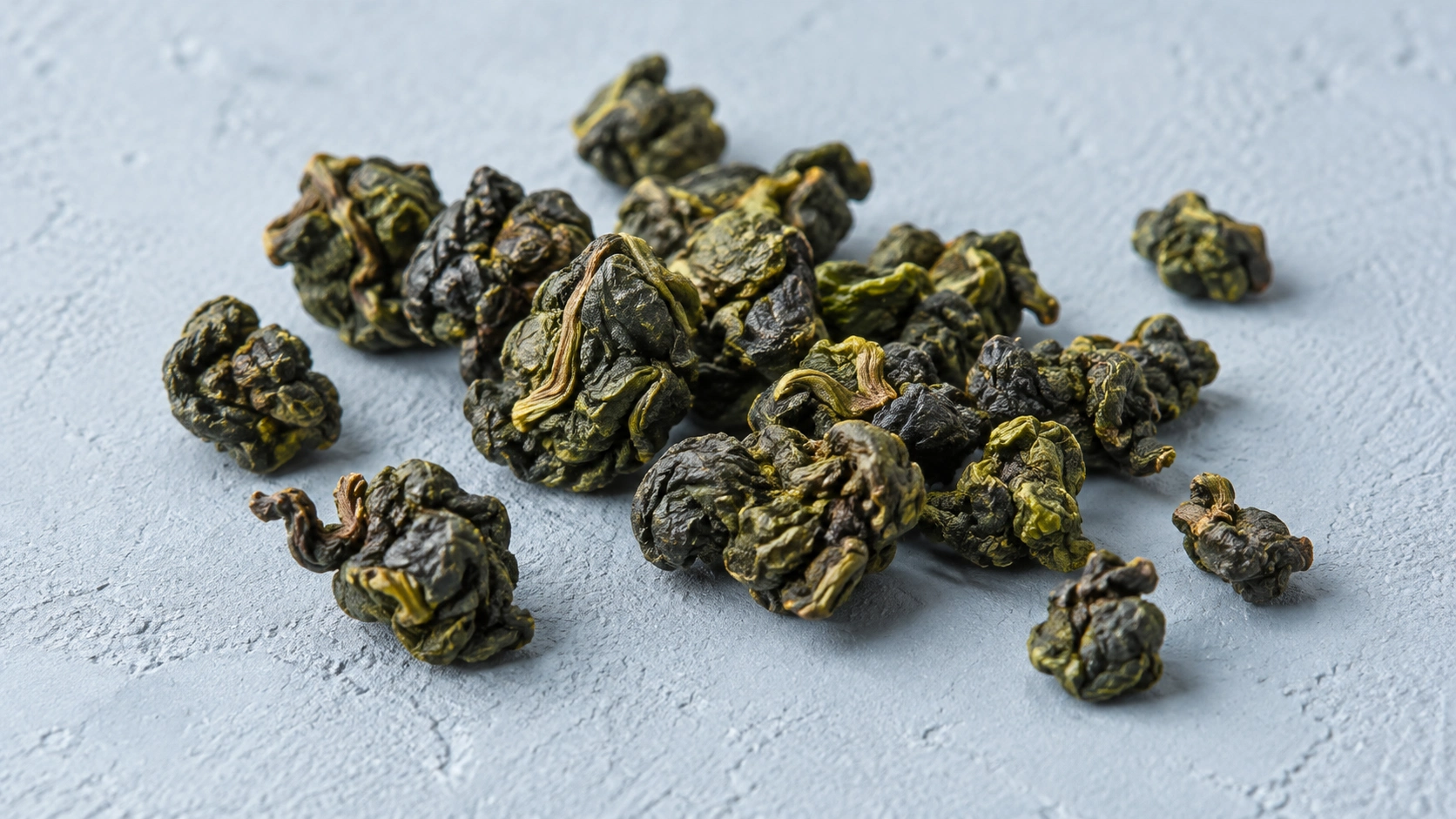
Tieguanyin China · Fujian
Anxi oolong, often floral in lightly roasted styles.
Open Tieguanyin reference China · Fujian
Tea family Oolong Region or tradition China · Fujian Caffeine Naturally contains caffeine Brewing strength, leaf quantity and portion size affect caffeine exposure. A mild taste does not prove a low caffeine content.
Read the related evidence and safety guide → Reference summary, not a treatment recommendation. Ingredient identity and preparation matter.
Oolong 024
Da Hong Pao China · Wuyi
Wuyi rock oolong associated with roasted and mineral notes.
Open Da Hong Pao reference China · Wuyi
Tea family Oolong Region or tradition China · Wuyi Caffeine Naturally contains caffeine Brewing strength, leaf quantity and portion size affect caffeine exposure. A mild taste does not prove a low caffeine content.
Read the related evidence and safety guide → Reference summary, not a treatment recommendation. Ingredient identity and preparation matter.
Oolong 025
Shui Xian China · Wuyi
Wuyi oolong cultivar and style, often roasted.
Open Shui Xian reference China · Wuyi
Tea family Oolong Region or tradition China · Wuyi Caffeine Naturally contains caffeine Brewing strength, leaf quantity and portion size affect caffeine exposure. A mild taste does not prove a low caffeine content.
Read the related evidence and safety guide → Reference summary, not a treatment recommendation. Ingredient identity and preparation matter.
Oolong 026
Rou Gui China · Wuyi
Aromatic rock oolong cultivar, often described as spice-forward.
Open Rou Gui reference China · Wuyi
Tea family Oolong Region or tradition China · Wuyi Caffeine Naturally contains caffeine Brewing strength, leaf quantity and portion size affect caffeine exposure. A mild taste does not prove a low caffeine content.
Read the related evidence and safety guide → Reference summary, not a treatment recommendation. Ingredient identity and preparation matter.
Oolong 027
Dan Cong China · Guangdong
Phoenix Mountain oolongs with diverse aromatic profiles.
Open Dan Cong reference China · Guangdong
Tea family Oolong Region or tradition China · Guangdong Caffeine Naturally contains caffeine Brewing strength, leaf quantity and portion size affect caffeine exposure. A mild taste does not prove a low caffeine content.
Read the related evidence and safety guide → Reference summary, not a treatment recommendation. Ingredient identity and preparation matter.
Oolong 028
Mi Lan Xiang China · Guangdong
Honey-orchid aroma style of Phoenix Dan Cong.
Open Mi Lan Xiang reference China · Guangdong
Tea family Oolong Region or tradition China · Guangdong Caffeine Naturally contains caffeine Brewing strength, leaf quantity and portion size affect caffeine exposure. A mild taste does not prove a low caffeine content.
Read the related evidence and safety guide → Reference summary, not a treatment recommendation. Ingredient identity and preparation matter.
Oolong 029
Dong Ding Taiwan
Traditional Taiwanese oolong often associated with medium roasting.
Open Dong Ding reference Taiwan
Tea family Oolong Region or tradition Taiwan Caffeine Naturally contains caffeine Brewing strength, leaf quantity and portion size affect caffeine exposure. A mild taste does not prove a low caffeine content.
Read the related evidence and safety guide → Reference summary, not a treatment recommendation. Ingredient identity and preparation matter.
Oolong 030
High Mountain Oolong Taiwan
A family of higher-elevation Taiwanese oolong styles, not a caffeine-free drink.
Open High Mountain Oolong reference Taiwan
Tea family Oolong Region or tradition Taiwan Caffeine Naturally contains caffeine Brewing strength, leaf quantity and portion size affect caffeine exposure. A mild taste does not prove a low caffeine content.
Read the related evidence and safety guide → Reference summary, not a treatment recommendation. Ingredient identity and preparation matter.
Oolong 031
Oriental Beauty Taiwan
Heavily oxidised Taiwanese oolong with insect-bitten leaf tradition.
Open Oriental Beauty reference Taiwan
Tea family Oolong Region or tradition Taiwan Caffeine Naturally contains caffeine Brewing strength, leaf quantity and portion size affect caffeine exposure. A mild taste does not prove a low caffeine content.
Read the related evidence and safety guide → Reference summary, not a treatment recommendation. Ingredient identity and preparation matter.
Oolong 032
Baozhong (Pouchong) Taiwan
Lightly oxidised, often floral tea.
Open Baozhong (Pouchong) reference Taiwan
Tea family Oolong Region or tradition Taiwan Caffeine Naturally contains caffeine Brewing strength, leaf quantity and portion size affect caffeine exposure. A mild taste does not prove a low caffeine content.
Read the related evidence and safety guide → Reference summary, not a treatment recommendation. Ingredient identity and preparation matter.
Oolong 033
Milk Oolong (Jin Xuan) Taiwan
Oolong cultivar and processing style; check for added milk flavouring in blends.
Open Milk Oolong (Jin Xuan) reference Taiwan
Tea family Oolong Region or tradition Taiwan Caffeine Naturally contains caffeine Brewing strength, leaf quantity and portion size affect caffeine exposure. A mild taste does not prove a low caffeine content.
Read the related evidence and safety guide → Reference summary, not a treatment recommendation. Ingredient identity and preparation matter.
Black 034
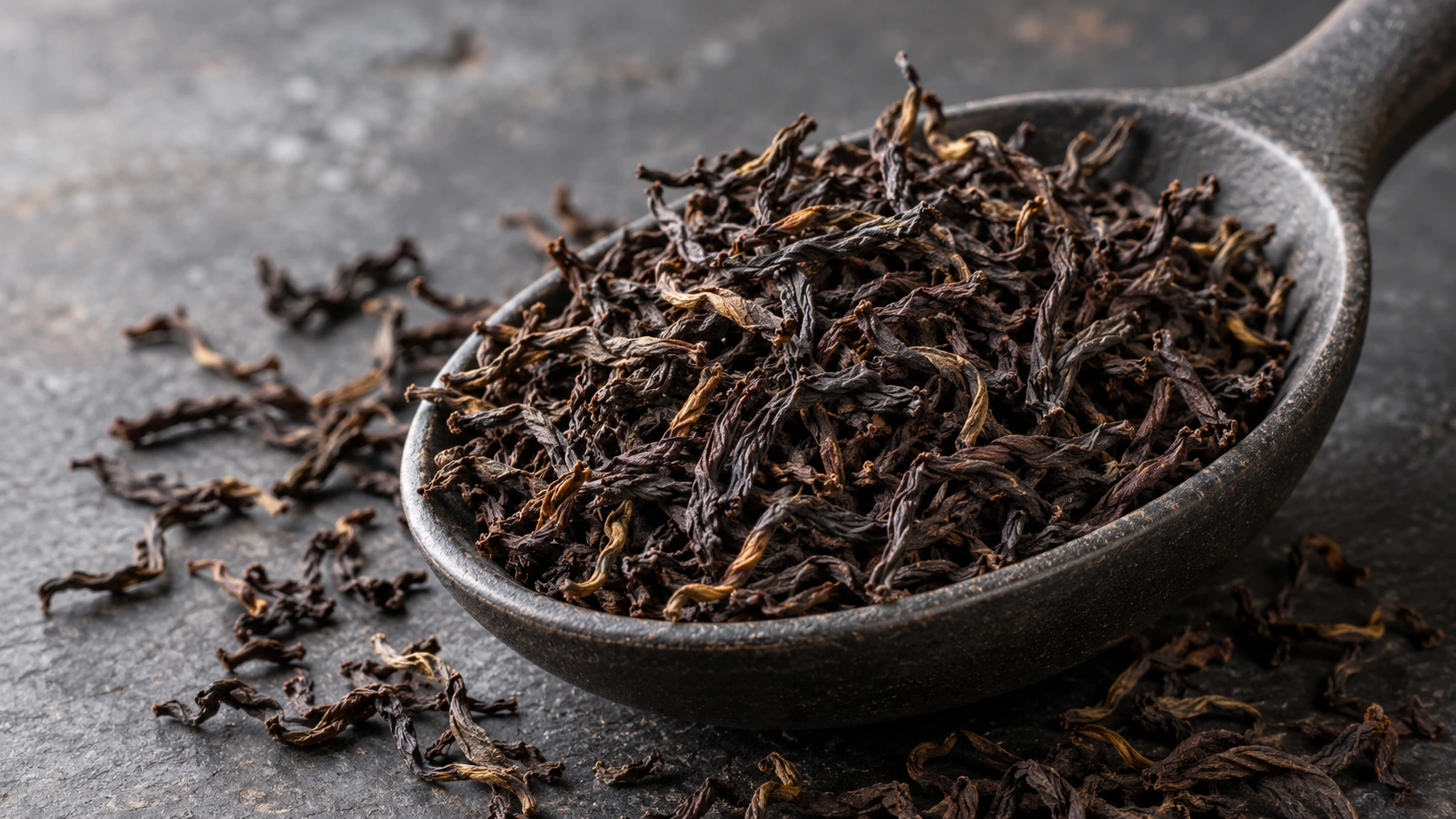
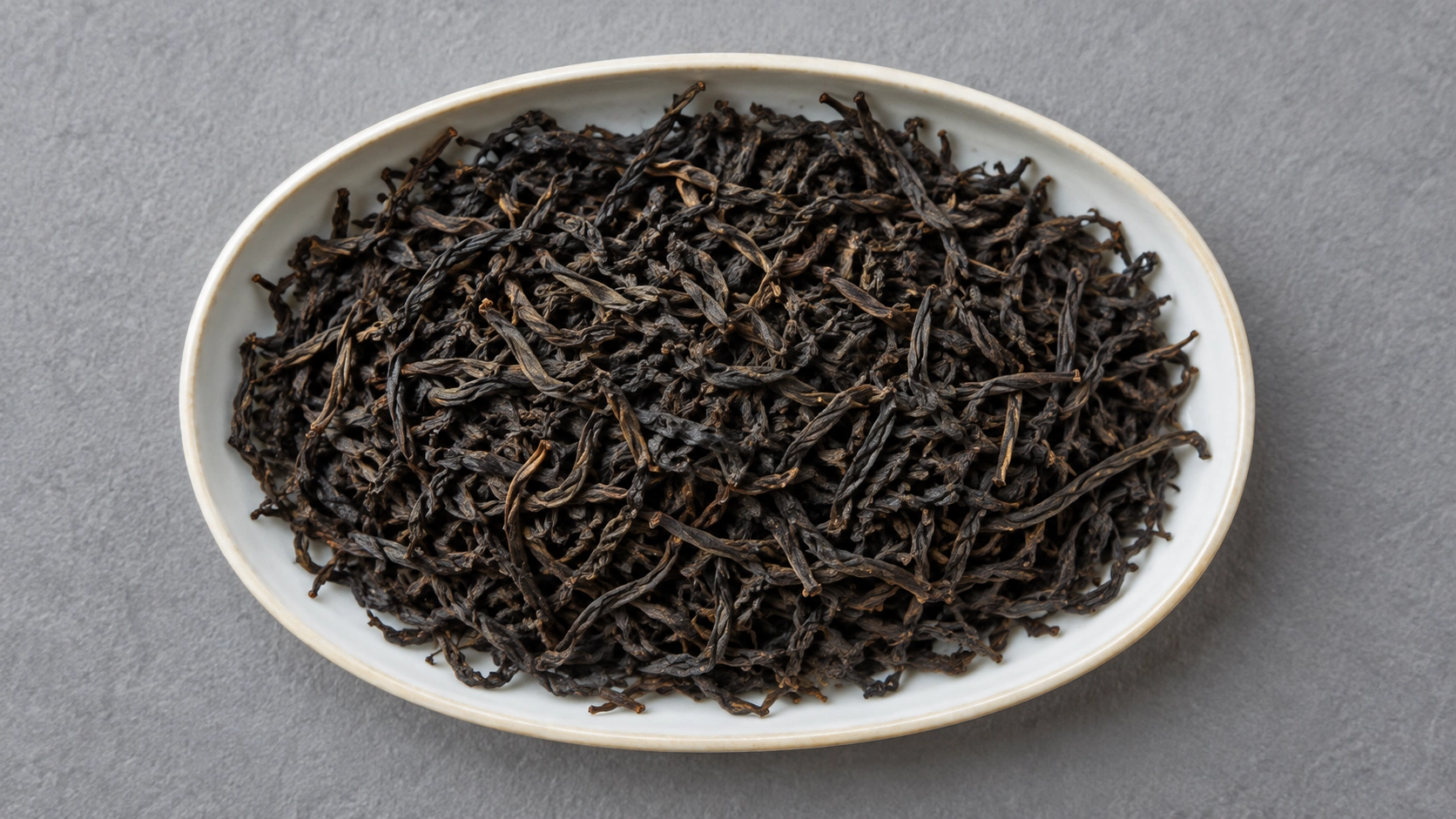
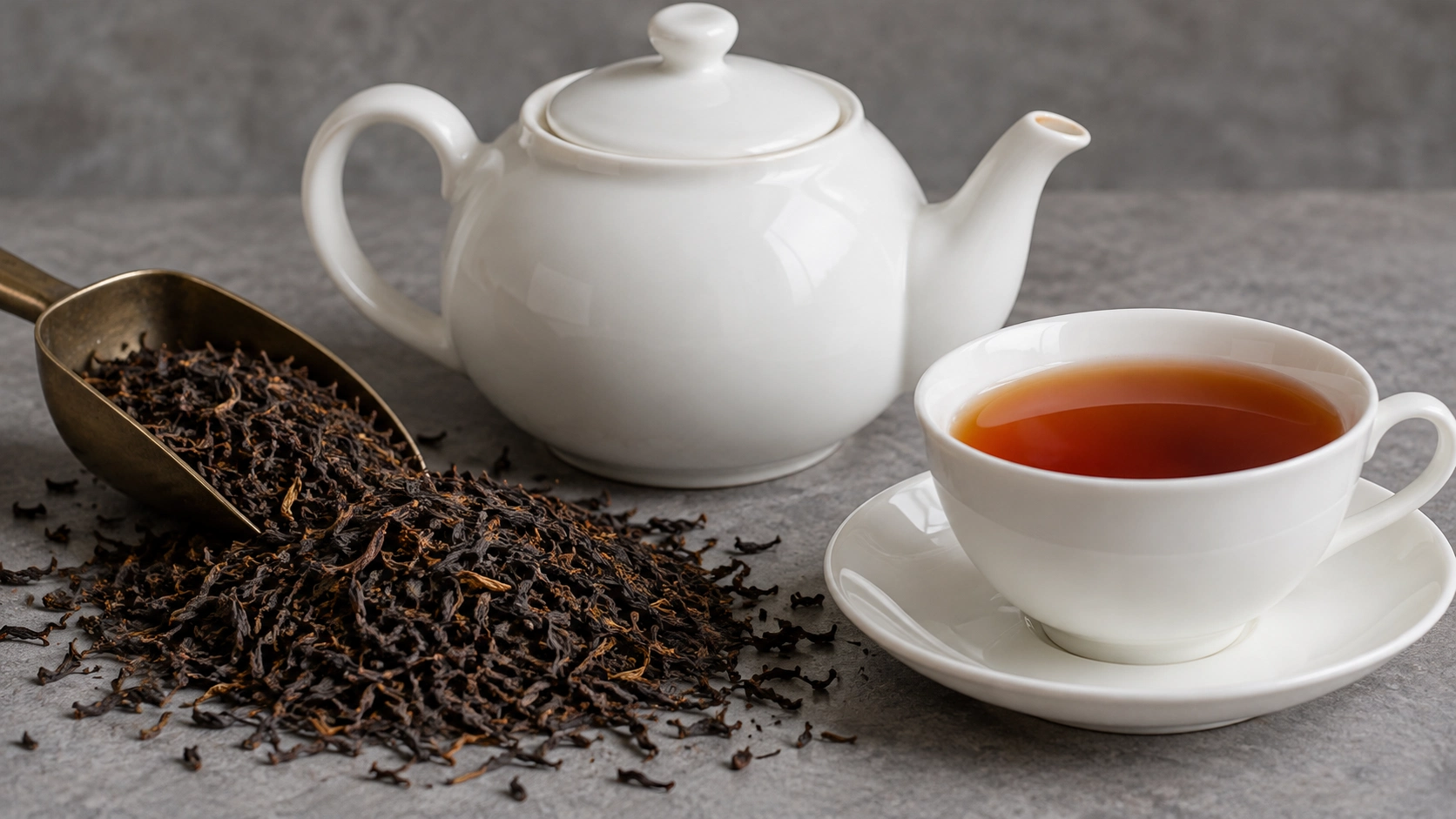
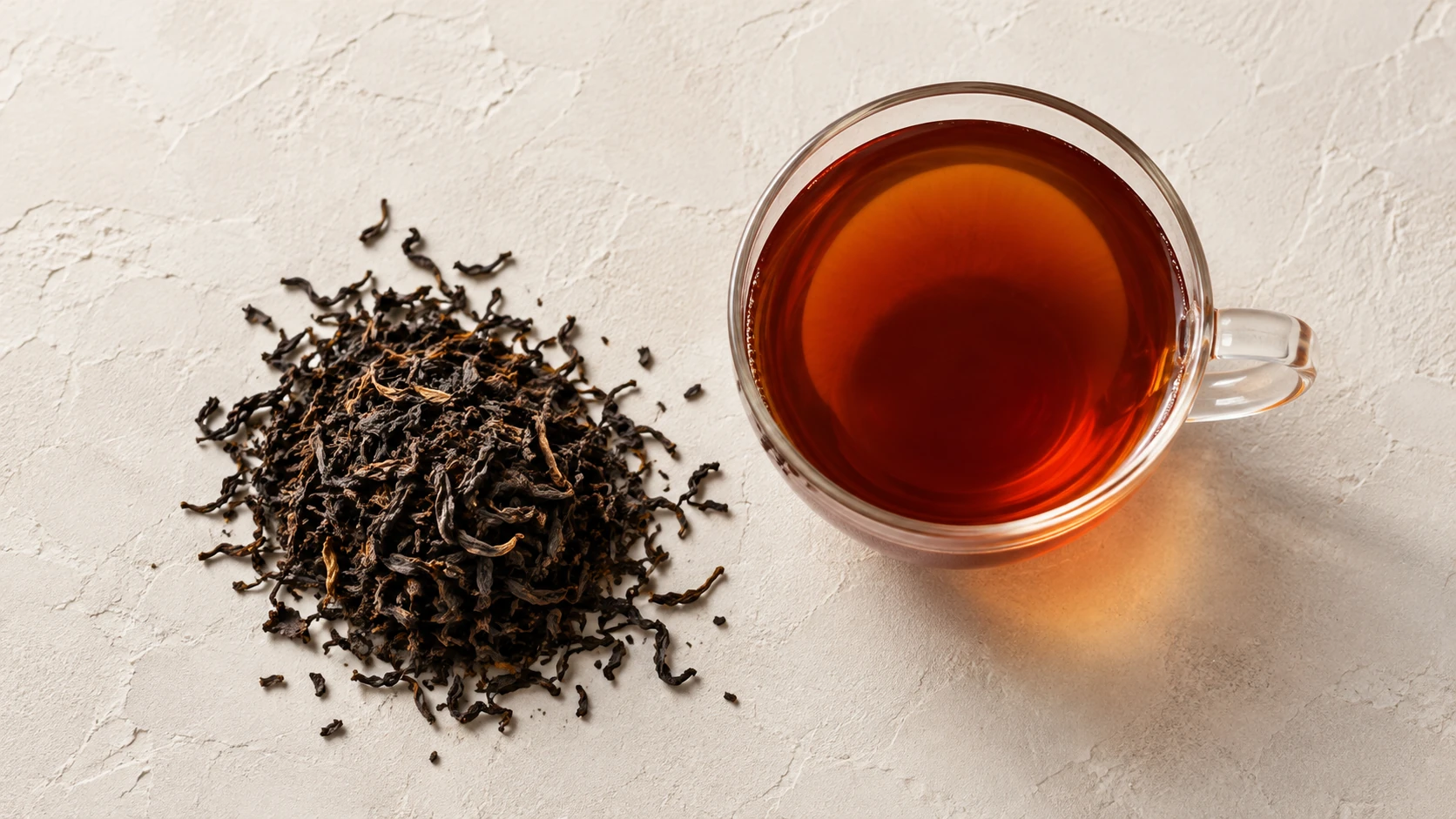
Black tea Global
Fully oxidised tea category; caffeine varies substantially by leaf and preparation.
Open Black tea reference Global
Tea family Black Region or tradition Global Caffeine Naturally contains caffeine Brewing strength, leaf quantity and portion size affect caffeine exposure. A mild taste does not prove a low caffeine content.
Read the related evidence and safety guide → Reference summary, not a treatment recommendation. Ingredient identity and preparation matter.
Black 035
Assam India · Assam
Often brisk, malty black tea from Assam.
Open Assam reference India · Assam
Tea family Black Region or tradition India · Assam Caffeine Naturally contains caffeine Brewing strength, leaf quantity and portion size affect caffeine exposure. A mild taste does not prove a low caffeine content.
Read the related evidence and safety guide → Reference summary, not a treatment recommendation. Ingredient identity and preparation matter.
Black 036
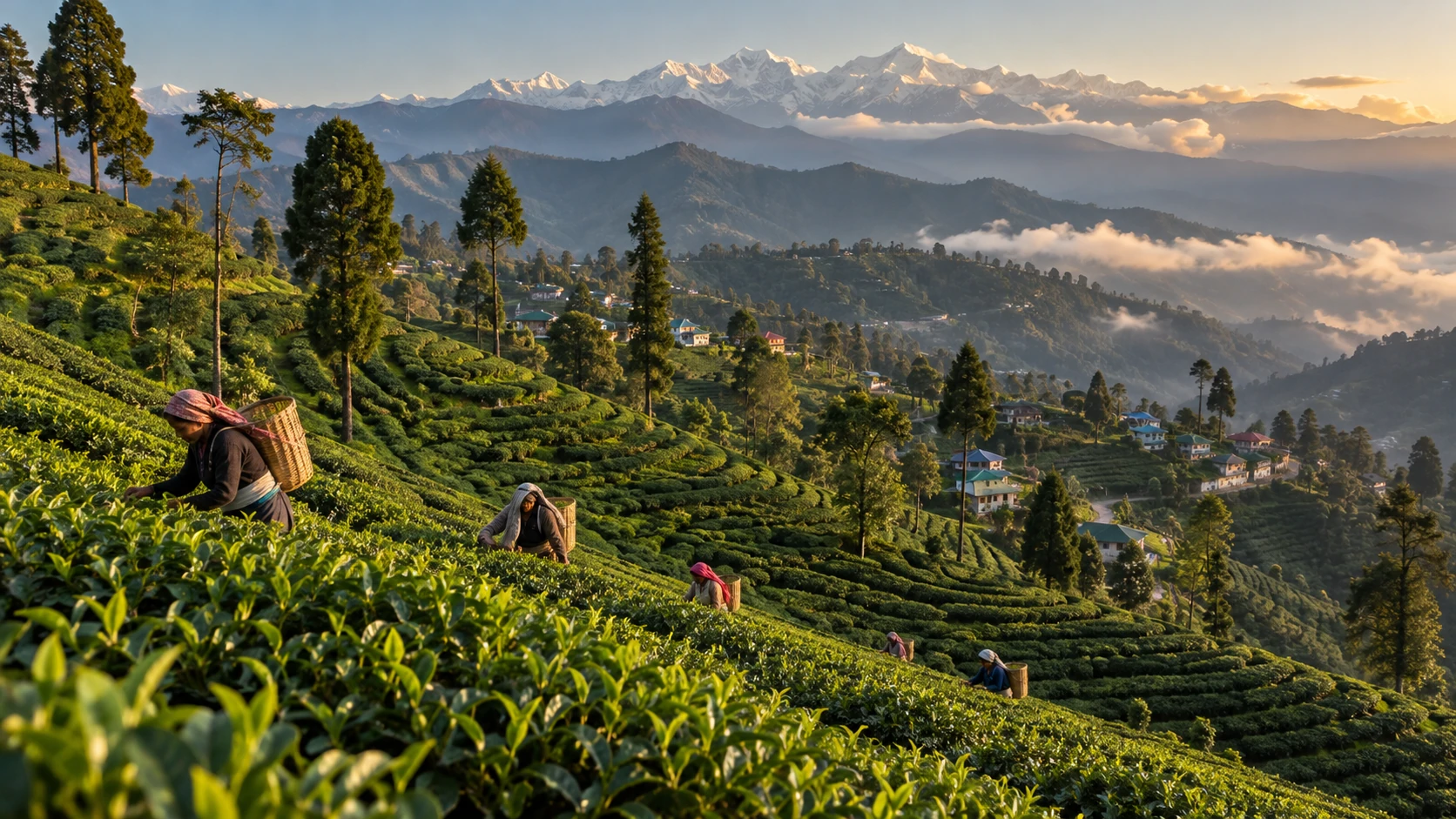
Darjeeling India · West Bengal
Regional tea with distinctive seasonal flushes and processing styles.
Open Darjeeling reference India · West Bengal
Tea family Black Region or tradition India · West Bengal Caffeine Naturally contains caffeine Brewing strength, leaf quantity and portion size affect caffeine exposure. A mild taste does not prove a low caffeine content.
Read the related evidence and safety guide → Reference summary, not a treatment recommendation. Ingredient identity and preparation matter.
Black 037
Nilgiri India · Tamil Nadu
South Indian highland tea associated with bright fragrance.
Open Nilgiri reference India · Tamil Nadu
Tea family Black Region or tradition India · Tamil Nadu Caffeine Naturally contains caffeine Brewing strength, leaf quantity and portion size affect caffeine exposure. A mild taste does not prove a low caffeine content.
Read the related evidence and safety guide → Reference summary, not a treatment recommendation. Ingredient identity and preparation matter.
Black 038
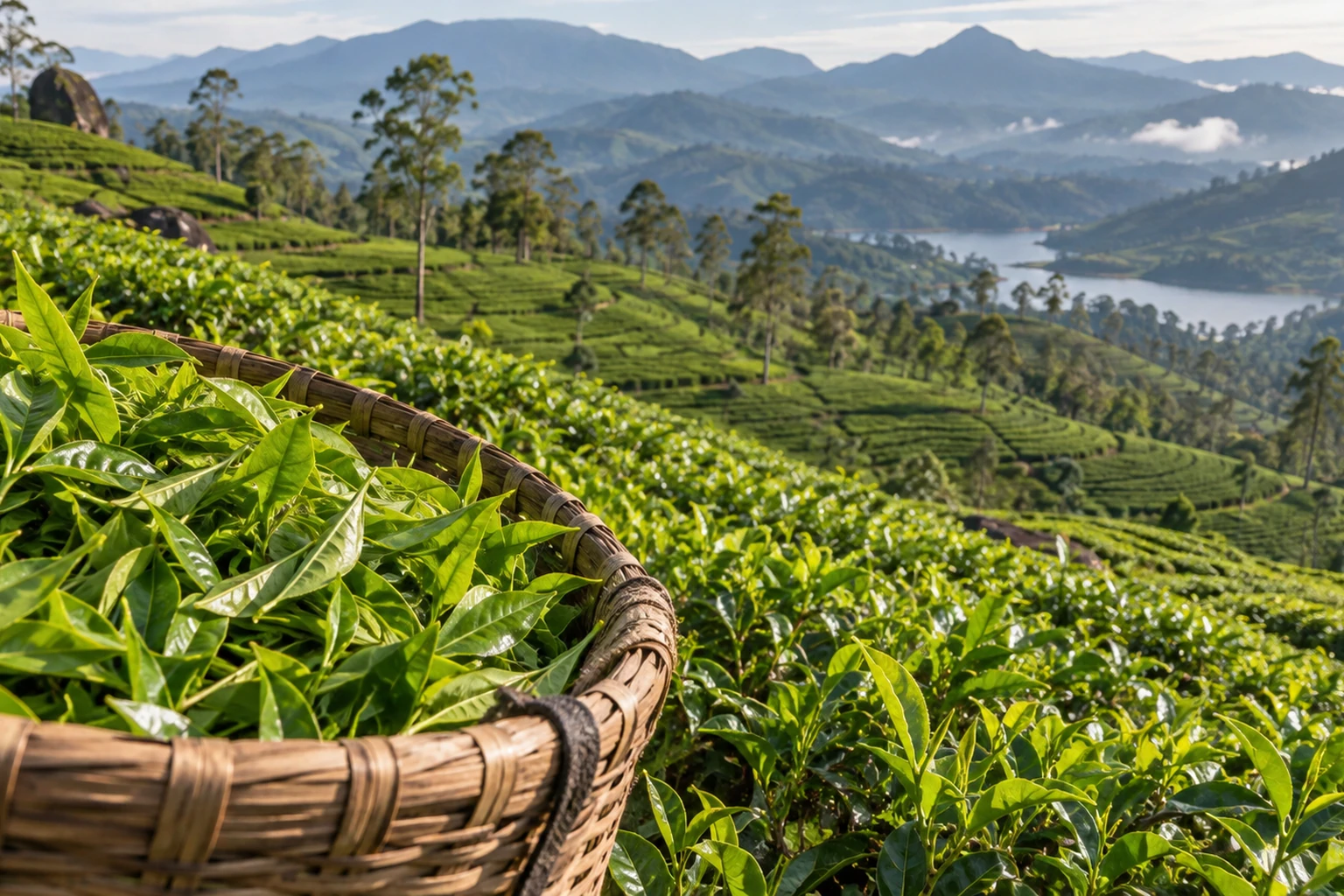
Ceylon tea Sri Lanka
Regional tea term covering many elevations and flavour profiles.
Open Ceylon tea reference Sri Lanka
Tea family Black Region or tradition Sri Lanka Caffeine Naturally contains caffeine Brewing strength, leaf quantity and portion size affect caffeine exposure. A mild taste does not prove a low caffeine content.
Read the related evidence and safety guide → Reference summary, not a treatment recommendation. Ingredient identity and preparation matter.
Black 039
Keemun (Qimen) China · Anhui
Chinese black tea traditionally associated with refined aroma.
Open Keemun (Qimen) reference China · Anhui
Tea family Black Region or tradition China · Anhui Caffeine Naturally contains caffeine Brewing strength, leaf quantity and portion size affect caffeine exposure. A mild taste does not prove a low caffeine content.
Read the related evidence and safety guide → Reference summary, not a treatment recommendation. Ingredient identity and preparation matter.
Black 040
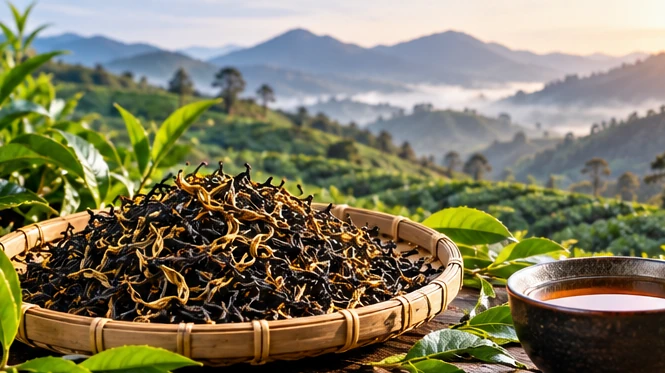
Dian Hong China · Yunnan
Yunnan black tea, sometimes rich and cocoa-like.
Open Dian Hong reference China · Yunnan
Tea family Black Region or tradition China · Yunnan Caffeine Naturally contains caffeine Brewing strength, leaf quantity and portion size affect caffeine exposure. A mild taste does not prove a low caffeine content.
Read the related evidence and safety guide → Reference summary, not a treatment recommendation. Ingredient identity and preparation matter.
Black 041
Lapsang Souchong China · Fujian
Wuyi-origin black tea often known for pine-smoked versions.
Open Lapsang Souchong reference China · Fujian
Tea family Black Region or tradition China · Fujian Caffeine Naturally contains caffeine Brewing strength, leaf quantity and portion size affect caffeine exposure. A mild taste does not prove a low caffeine content.
Read the related evidence and safety guide → Reference summary, not a treatment recommendation. Ingredient identity and preparation matter.
Black 042
Yunnan Gold China · Yunnan
Golden-tipped black tea style.
Open Yunnan Gold reference China · Yunnan
Tea family Black Region or tradition China · Yunnan Caffeine Naturally contains caffeine Brewing strength, leaf quantity and portion size affect caffeine exposure. A mild taste does not prove a low caffeine content.
Read the related evidence and safety guide → Reference summary, not a treatment recommendation. Ingredient identity and preparation matter.
Flavoured black 043
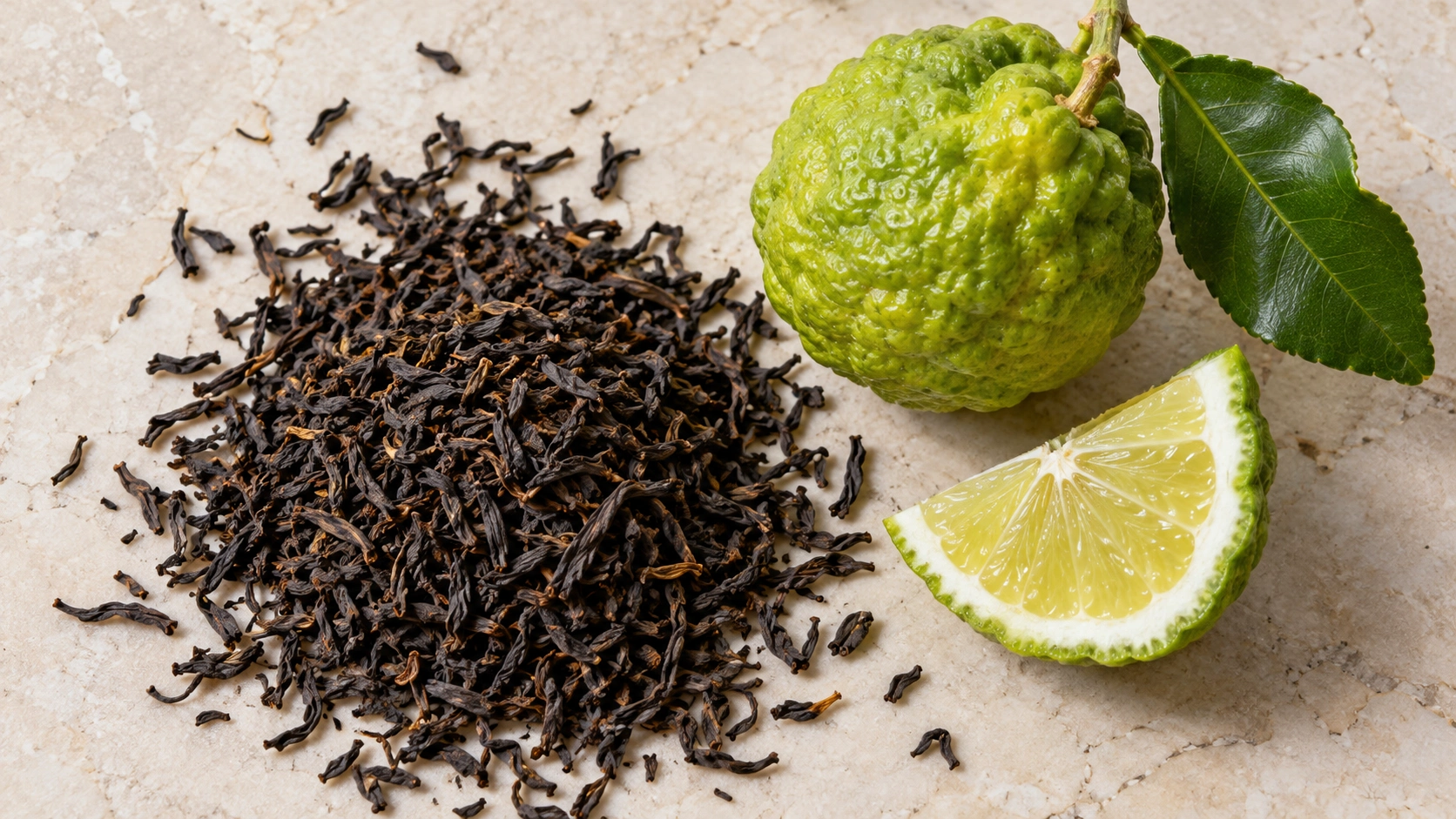
Earl Grey Global
Usually black tea flavoured with bergamot; caffeine remains unless decaf.
Open Earl Grey reference Global
Tea family Flavoured black Region or tradition Global Caffeine Naturally contains caffeine Brewing strength, leaf quantity and portion size affect caffeine exposure. A mild taste does not prove a low caffeine content.
Read the related evidence and safety guide → Reference summary, not a treatment recommendation. Ingredient identity and preparation matter.
Black blend 044
English Breakfast Global
Breakfast-style black tea blend; composition varies by maker.
Open English Breakfast reference Global
Tea family Black blend Region or tradition Global Caffeine Naturally contains caffeine Brewing strength, leaf quantity and portion size affect caffeine exposure. A mild taste does not prove a low caffeine content.
Read the related evidence and safety guide → Reference summary, not a treatment recommendation. Ingredient identity and preparation matter.
Spiced black 045
Masala Chai India and beyond
Black tea brewed with spices; frequently includes milk and sugar, and normally caffeine.
Open Masala Chai reference India and beyond
Tea family Spiced black Region or tradition India and beyond Caffeine Naturally contains caffeine Brewing strength, leaf quantity and portion size affect caffeine exposure. A mild taste does not prove a low caffeine content.
Read the related evidence and safety guide → Reference summary, not a treatment recommendation. Ingredient identity and preparation matter.
Black 046
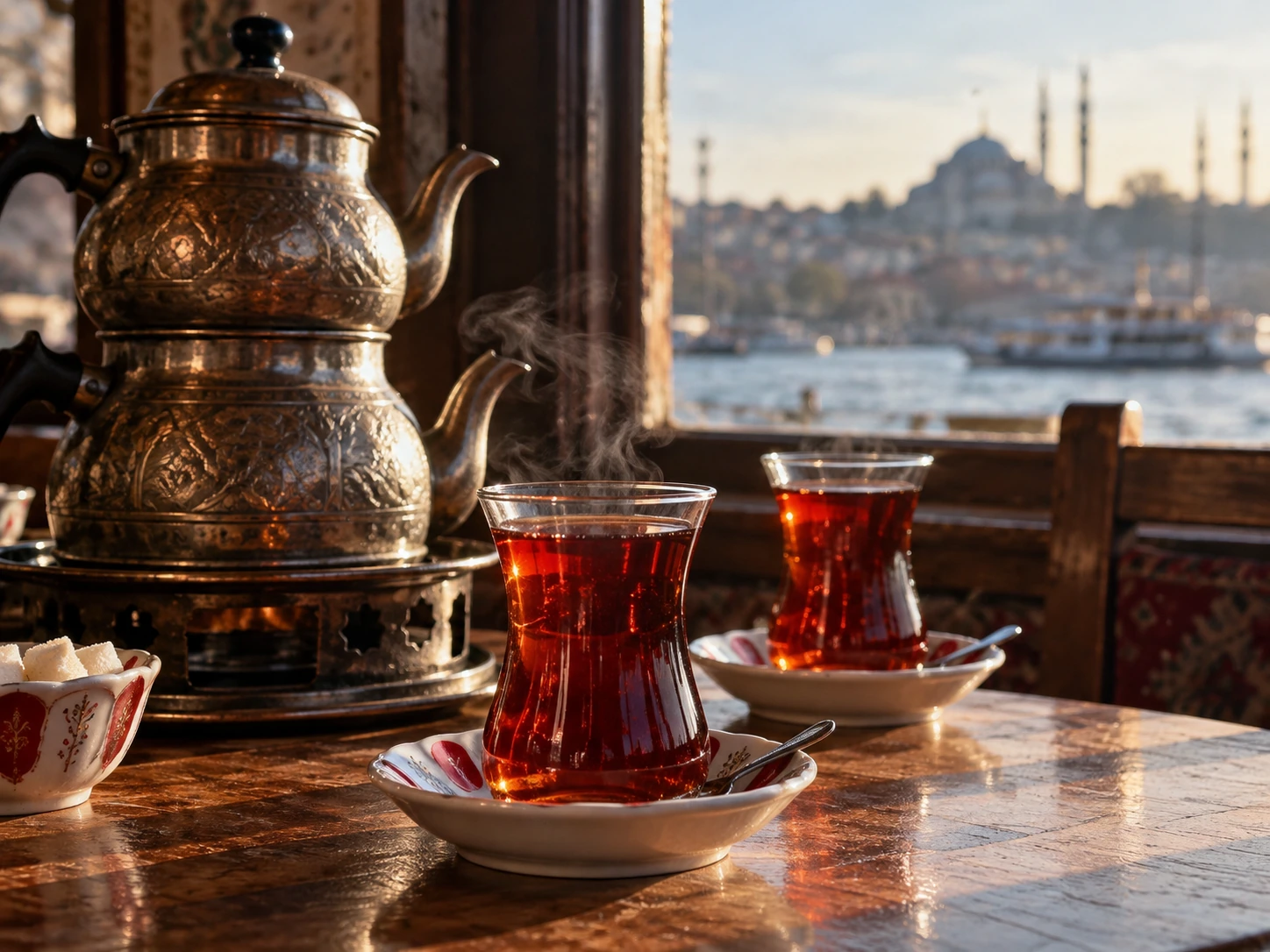
Turkish çay Türkiye
Strongly brewed black tea served in small glasses; contains caffeine.
Open Turkish çay reference Türkiye
Tea family Black Region or tradition Türkiye Caffeine Naturally contains caffeine Brewing strength, leaf quantity and portion size affect caffeine exposure. A mild taste does not prove a low caffeine content.
Read the related evidence and safety guide → Reference summary, not a treatment recommendation. Ingredient identity and preparation matter.
Green and mint 047
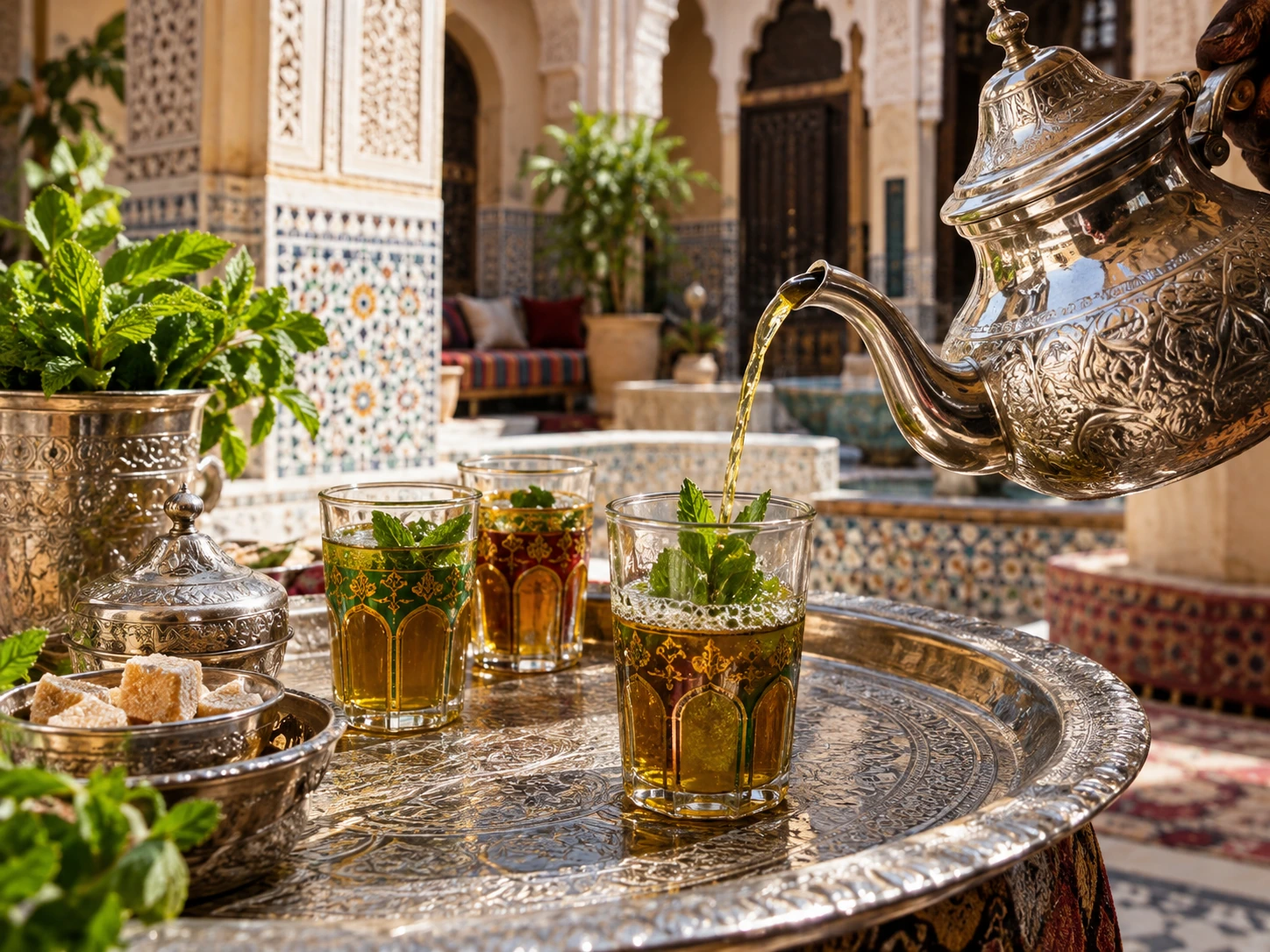
Moroccan mint tea Morocco and North Africa
Often combines gunpowder green tea, mint and sugar; contains caffeine.
Open Moroccan mint tea reference Morocco and North Africa
Tea family Green and mint Region or tradition Morocco and North Africa Caffeine Naturally contains caffeine Brewing strength, leaf quantity and portion size affect caffeine exposure. A mild taste does not prove a low caffeine content.
Read the related evidence and safety guide → Reference summary, not a treatment recommendation. Ingredient identity and preparation matter.
Dark / fermented 048
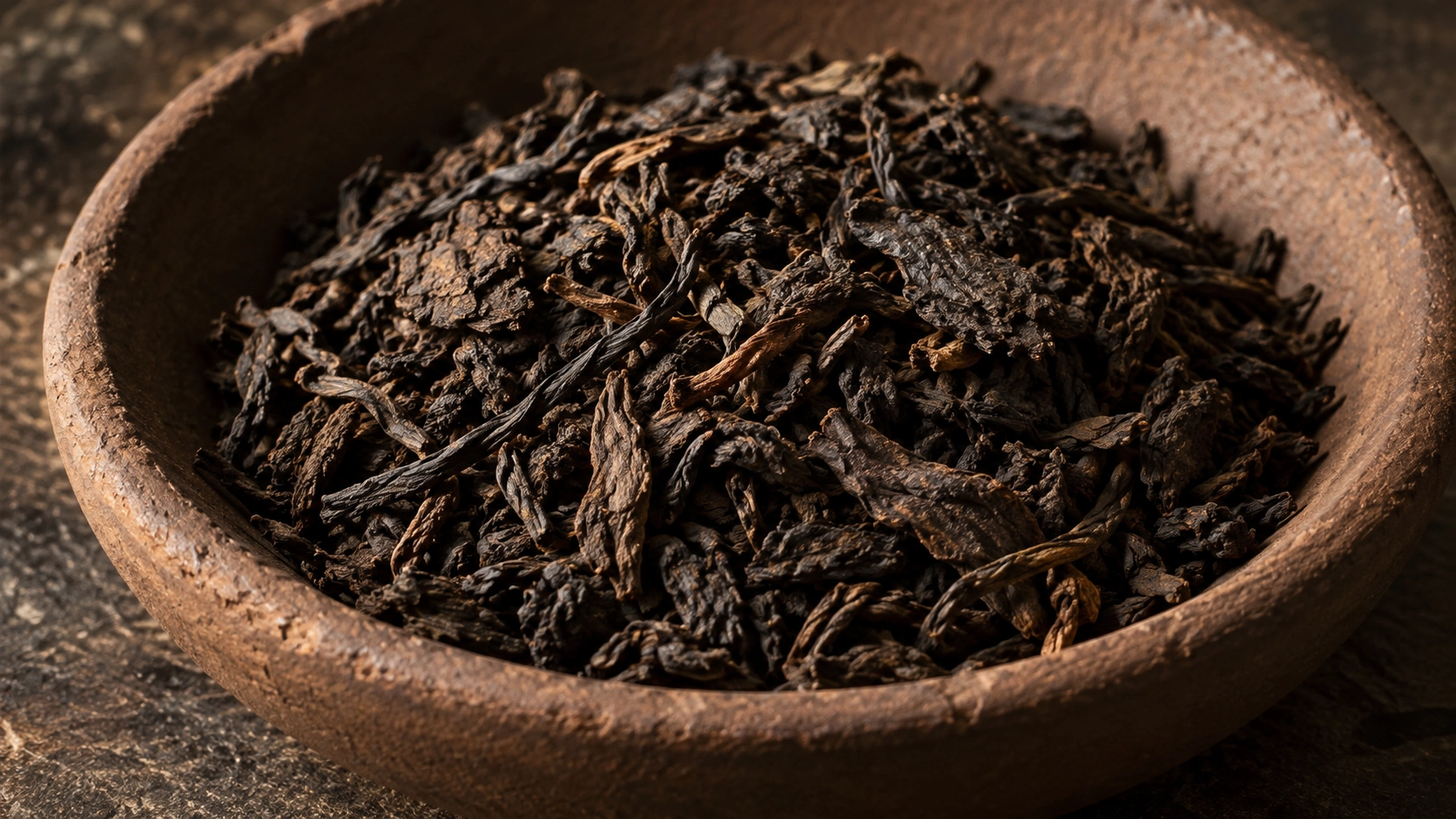
Pu-erh / Pu’er China · Yunnan
Ageing, fermentation and microbial processing are key; it still contains caffeine.
Open Pu-erh / Pu’er reference China · Yunnan
Tea family Dark / fermented Region or tradition China · Yunnan Caffeine Naturally contains caffeine Brewing strength, leaf quantity and portion size affect caffeine exposure. A mild taste does not prove a low caffeine content.
Read the related evidence and safety guide → Reference summary, not a treatment recommendation. Ingredient identity and preparation matter.
Dark / raw 049
Sheng Pu-erh China · Yunnan
Raw pu-erh, which changes with age and storage.
Open Sheng Pu-erh reference China · Yunnan
Tea family Dark / raw Region or tradition China · Yunnan Caffeine Naturally contains caffeine Brewing strength, leaf quantity and portion size affect caffeine exposure. A mild taste does not prove a low caffeine content.
Read the related evidence and safety guide → Reference summary, not a treatment recommendation. Ingredient identity and preparation matter.
Dark / ripe 050
Shou Pu-erh China · Yunnan
Ripe pu-erh produced through accelerated fermentation.
Open Shou Pu-erh reference China · Yunnan
Tea family Dark / ripe Region or tradition China · Yunnan Caffeine Naturally contains caffeine Brewing strength, leaf quantity and portion size affect caffeine exposure. A mild taste does not prove a low caffeine content.
Read the related evidence and safety guide → Reference summary, not a treatment recommendation. Ingredient identity and preparation matter.
Dark 051
Liu Bao China · Guangxi
Fermented dark tea with a distinctive regional tradition.
Open Liu Bao reference China · Guangxi
Tea family Dark Region or tradition China · Guangxi Caffeine Naturally contains caffeine Brewing strength, leaf quantity and portion size affect caffeine exposure. A mild taste does not prove a low caffeine content.
Read the related evidence and safety guide → Reference summary, not a treatment recommendation. Ingredient identity and preparation matter.
Dark 052
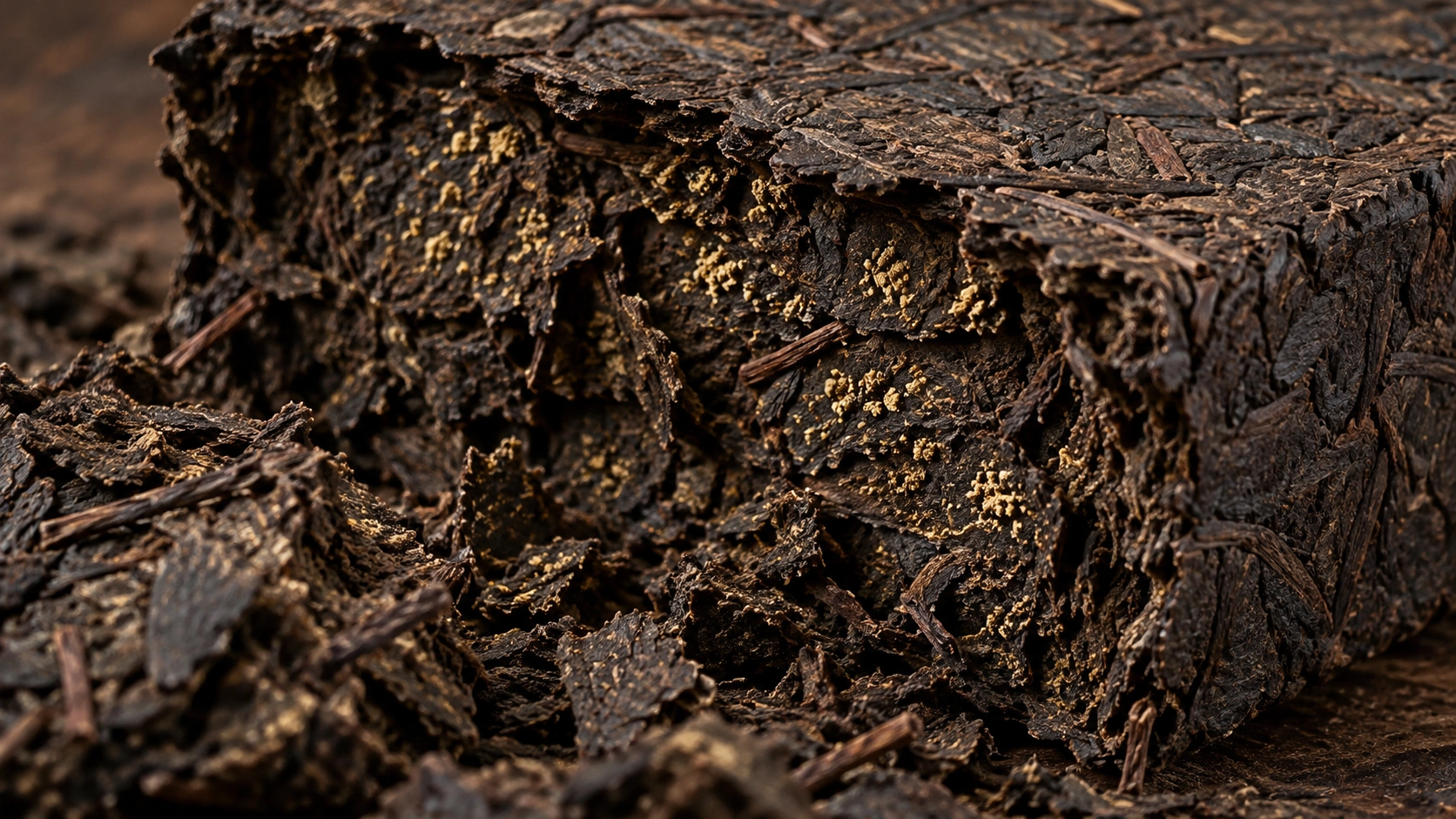
Fu Zhuan China
Brick-shaped dark tea traditionally associated with golden-flower fermentation.
Open Fu Zhuan reference China
Tea family Dark Region or tradition China Caffeine Naturally contains caffeine Brewing strength, leaf quantity and portion size affect caffeine exposure. A mild taste does not prove a low caffeine content.
Read the related evidence and safety guide → Reference summary, not a treatment recommendation. Ingredient identity and preparation matter.
Fermented beverage 053
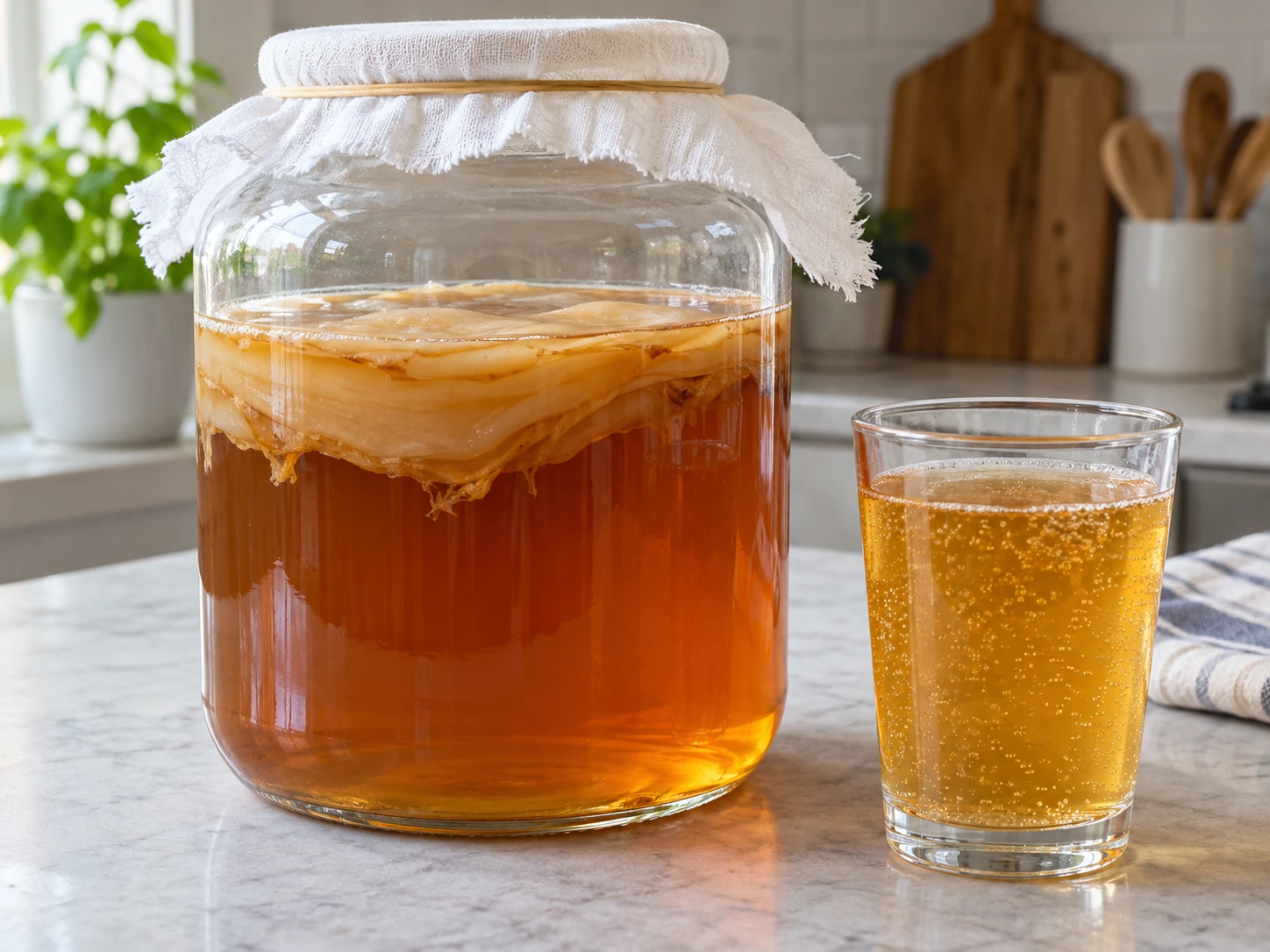
Kombucha Global
Fermented tea drink often made from caffeinated tea; residual caffeine, sugar and alcohol vary.
Open Kombucha reference Global
Tea family Fermented beverage Region or tradition Global Caffeine Caffeine depends on ingredients/species Caffeine content depends on the specific ingredients and preparation. Check labels before choosing for bedtime.
Read the related evidence and safety guide → Reference summary, not a treatment recommendation. Ingredient identity and preparation matter.
Decaffeinated tea 054
Decaf black tea Global
Processed to remove most caffeine, but traces can remain.
Open Decaf black tea reference Global
Tea family Decaffeinated tea Region or tradition Global Caffeine Decaffeinated · traces possible Decaffeinated tea may retain small amounts of caffeine. Always check the actual label if caffeine matters to you.
Read the related evidence and safety guide → Reference summary, not a treatment recommendation. Ingredient identity and preparation matter.
Decaffeinated tea 055
Decaf green tea Global
Green tea with most caffeine removed; do not call it zero-caffeine.
Open Decaf green tea reference Global
Tea family Decaffeinated tea Region or tradition Global Caffeine Decaffeinated · traces possible Decaffeinated tea may retain small amounts of caffeine. Always check the actual label if caffeine matters to you.
Read the related evidence and safety guide → Reference summary, not a treatment recommendation. Ingredient identity and preparation matter.
Flower infusion 056
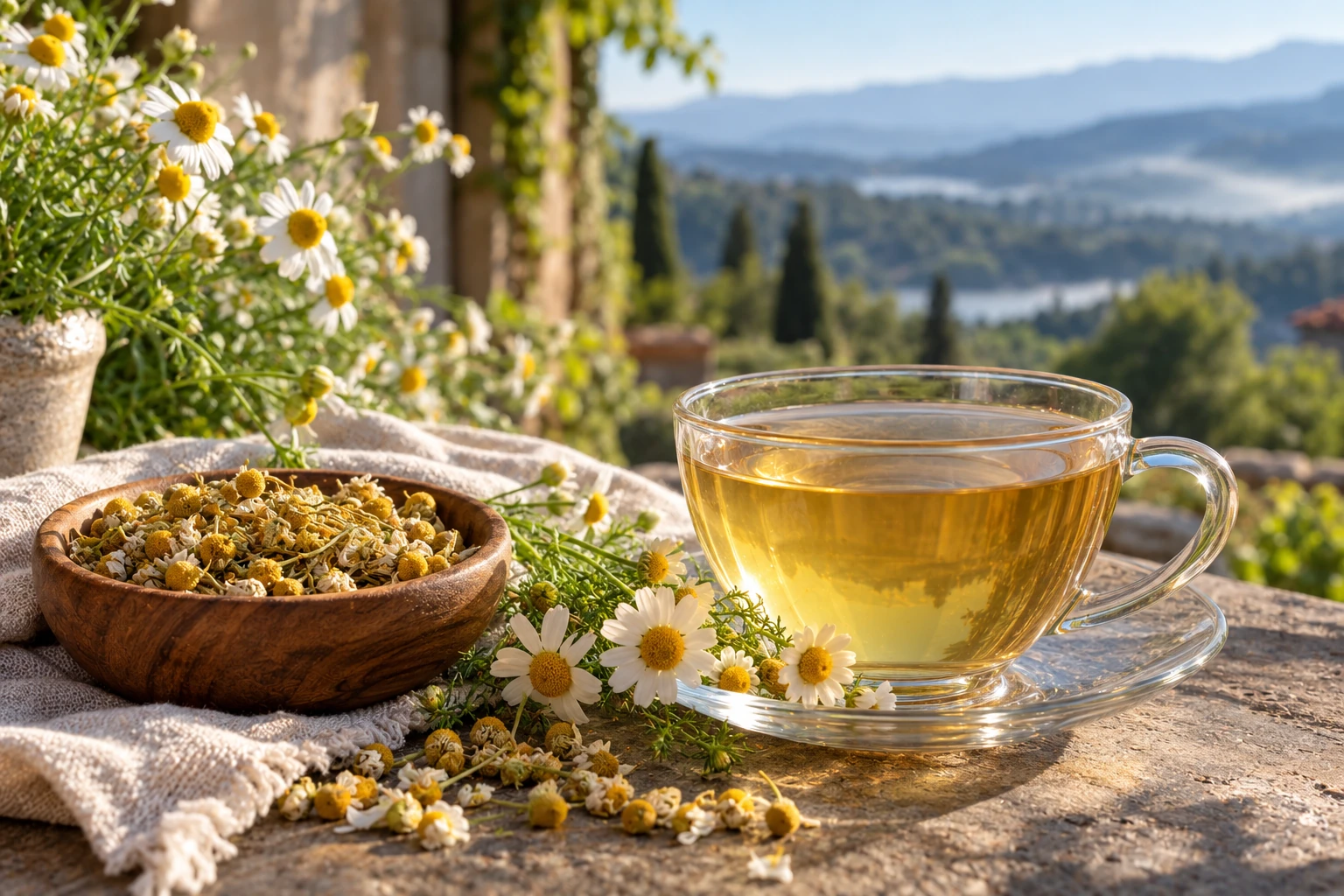
Chamomile Europe and global
Flower infusion associated with quiet evening rituals; insomnia-treatment evidence is limited.
Open Chamomile reference Europe and global
Tea family Flower infusion Region or tradition Europe and global Caffeine Naturally caffeine-free when plain Generally naturally caffeine-free when made from the named ingredient alone; mixed products may contain actual tea leaves or added caffeine.
Read the related evidence and safety guide → Reference summary, not a treatment recommendation. Ingredient identity and preparation matter.
Flower infusion 057
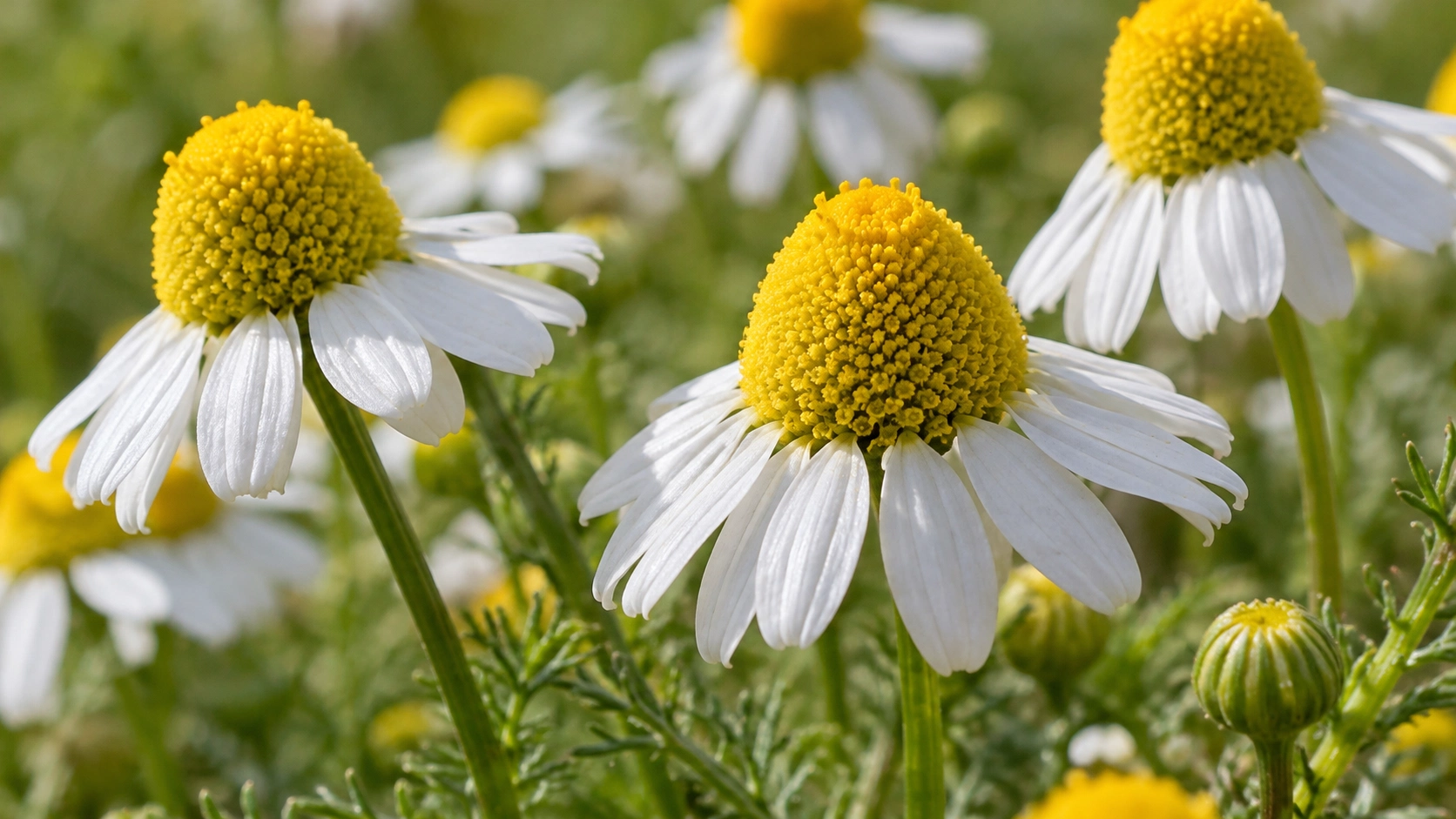
German chamomile Europe and global
Matricaria chamomilla, widely used in herbal infusions.
Open German chamomile reference Europe and global
Tea family Flower infusion Region or tradition Europe and global Caffeine Naturally caffeine-free when plain Generally naturally caffeine-free when made from the named ingredient alone; mixed products may contain actual tea leaves or added caffeine.
Read the related evidence and safety guide → Reference summary, not a treatment recommendation. Ingredient identity and preparation matter.
Leaf infusion 058
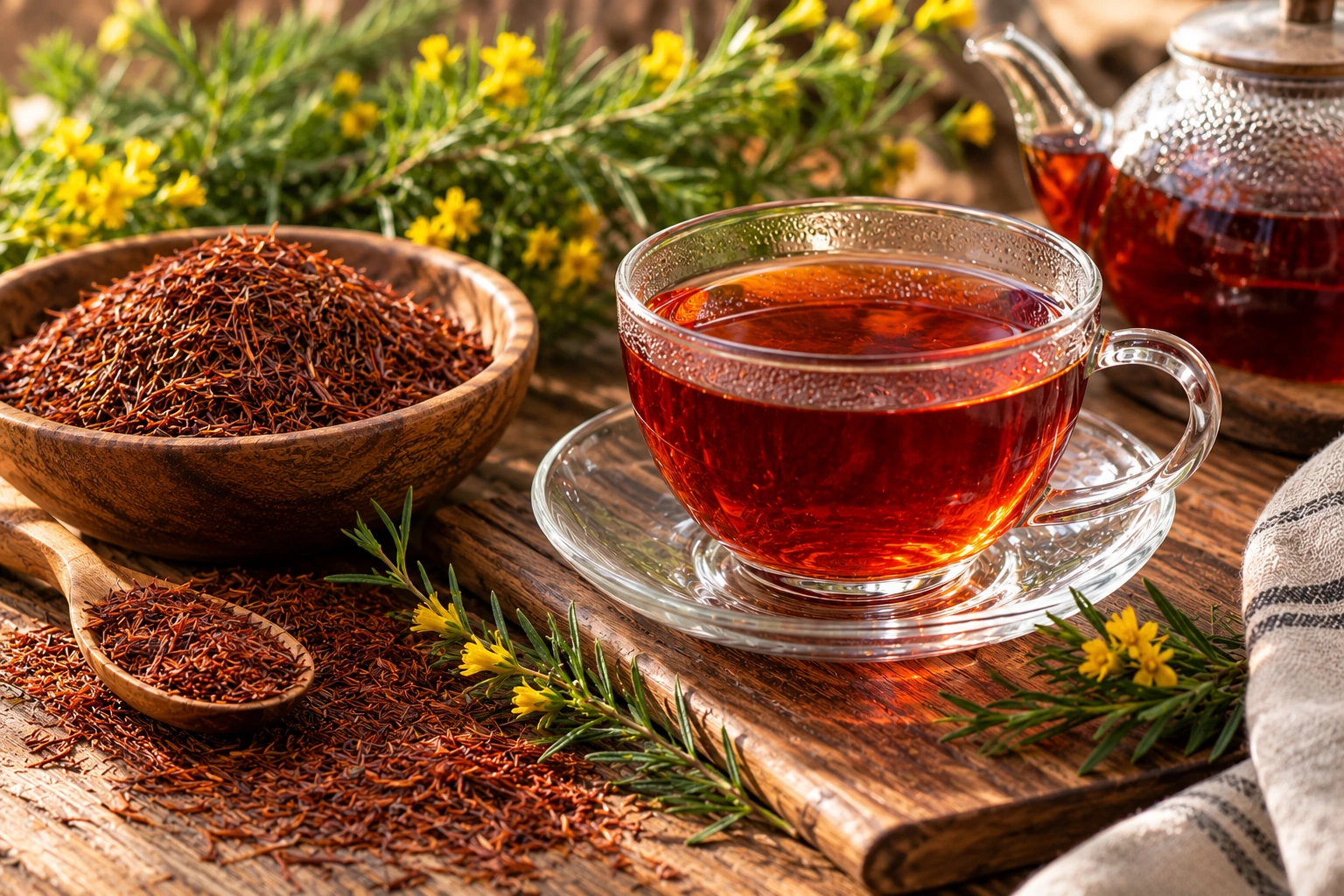
Rooibos South Africa
Aspalathus linearis infusion, naturally caffeine-free unless mixed.
Open Rooibos reference South Africa
Tea family Leaf infusion Region or tradition South Africa Caffeine Naturally caffeine-free when plain Generally naturally caffeine-free when made from the named ingredient alone; mixed products may contain actual tea leaves or added caffeine.
Read the related evidence and safety guide → Reference summary, not a treatment recommendation. Ingredient identity and preparation matter.
Leaf infusion 059
Honeybush South Africa
Cyclopia genus infusion with a naturally sweet aroma.
Open Honeybush reference South Africa
Tea family Leaf infusion Region or tradition South Africa Caffeine Naturally caffeine-free when plain Generally naturally caffeine-free when made from the named ingredient alone; mixed products may contain actual tea leaves or added caffeine.
Read the related evidence and safety guide → Reference summary, not a treatment recommendation. Ingredient identity and preparation matter.
Flower infusion 060
Hibiscus / Roselle Africa, Asia, Caribbean
Tart crimson Hibiscus sabdariffa calyx infusion; talk to a clinician if managing blood pressure.
Open Hibiscus / Roselle reference Africa, Asia, Caribbean
Tea family Flower infusion Region or tradition Africa, Asia, Caribbean Caffeine Naturally caffeine-free when plain Generally naturally caffeine-free when made from the named ingredient alone; mixed products may contain actual tea leaves or added caffeine.
Read the related evidence and safety guide → Reference summary, not a treatment recommendation. Ingredient identity and preparation matter.
Mint infusion 061
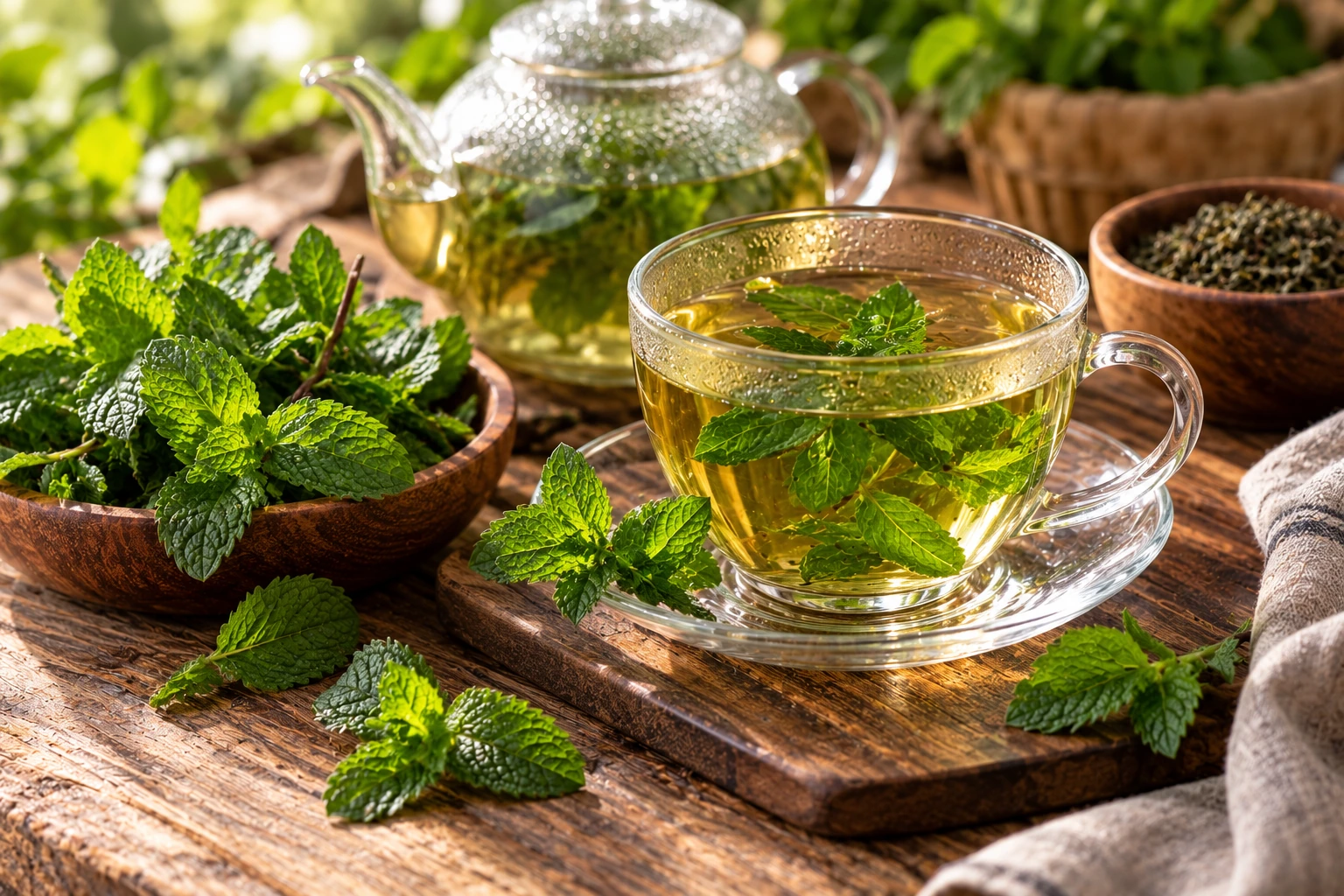
Peppermint Global
Mentha × piperita leaves; evidence for peppermint oil does not establish tea benefits.
Open Peppermint reference Global
Tea family Mint infusion Region or tradition Global Caffeine Naturally caffeine-free when plain Generally naturally caffeine-free when made from the named ingredient alone; mixed products may contain actual tea leaves or added caffeine.
Read the related evidence and safety guide → Reference summary, not a treatment recommendation. Ingredient identity and preparation matter.
Mint infusion 062
Spearmint Global
Mentha spicata leaf infusion with a softer mint profile.
Open Spearmint reference Global
Tea family Mint infusion Region or tradition Global Caffeine Naturally caffeine-free when plain Generally naturally caffeine-free when made from the named ingredient alone; mixed products may contain actual tea leaves or added caffeine.
Read the related evidence and safety guide → Reference summary, not a treatment recommendation. Ingredient identity and preparation matter.
Leaf infusion 063
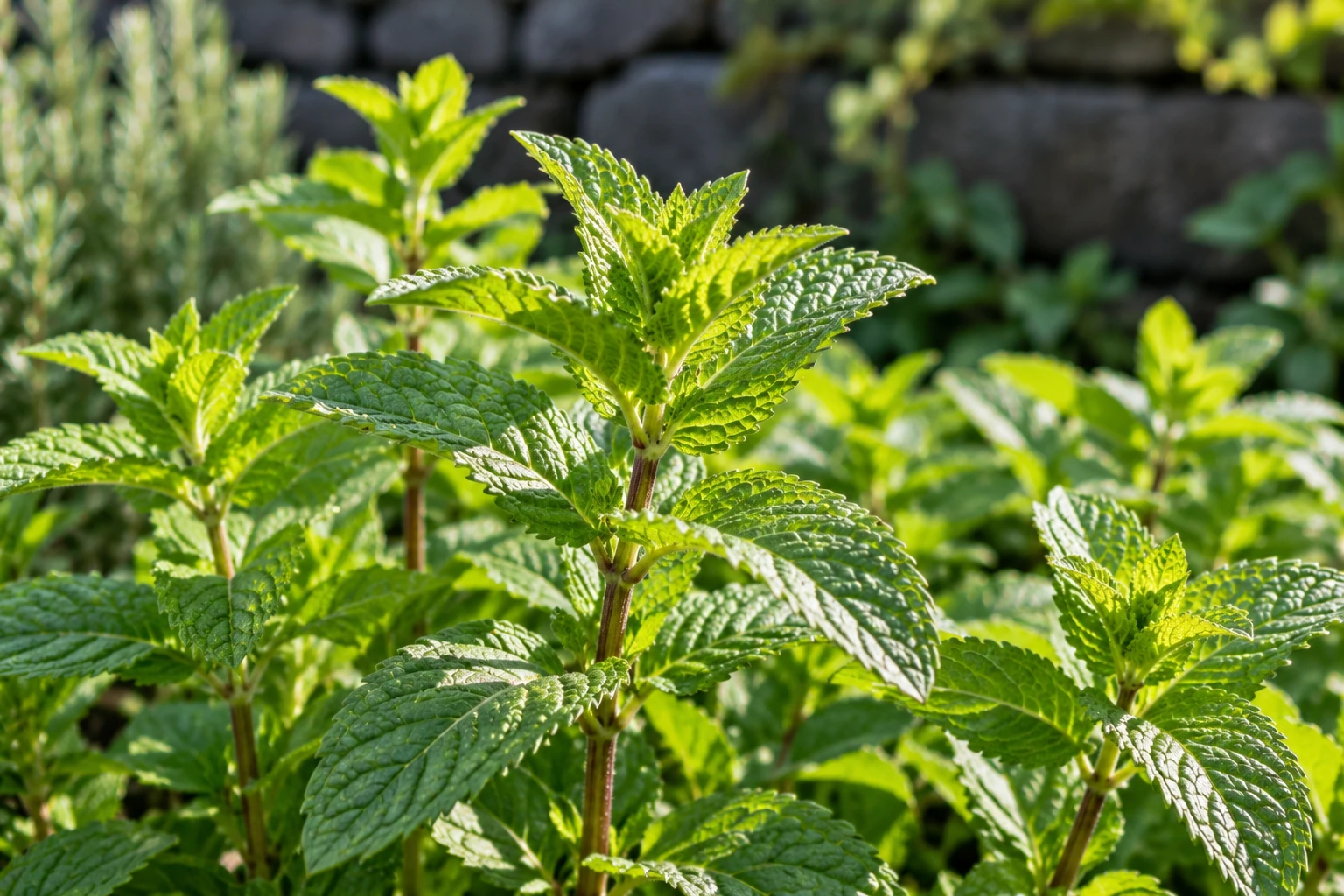
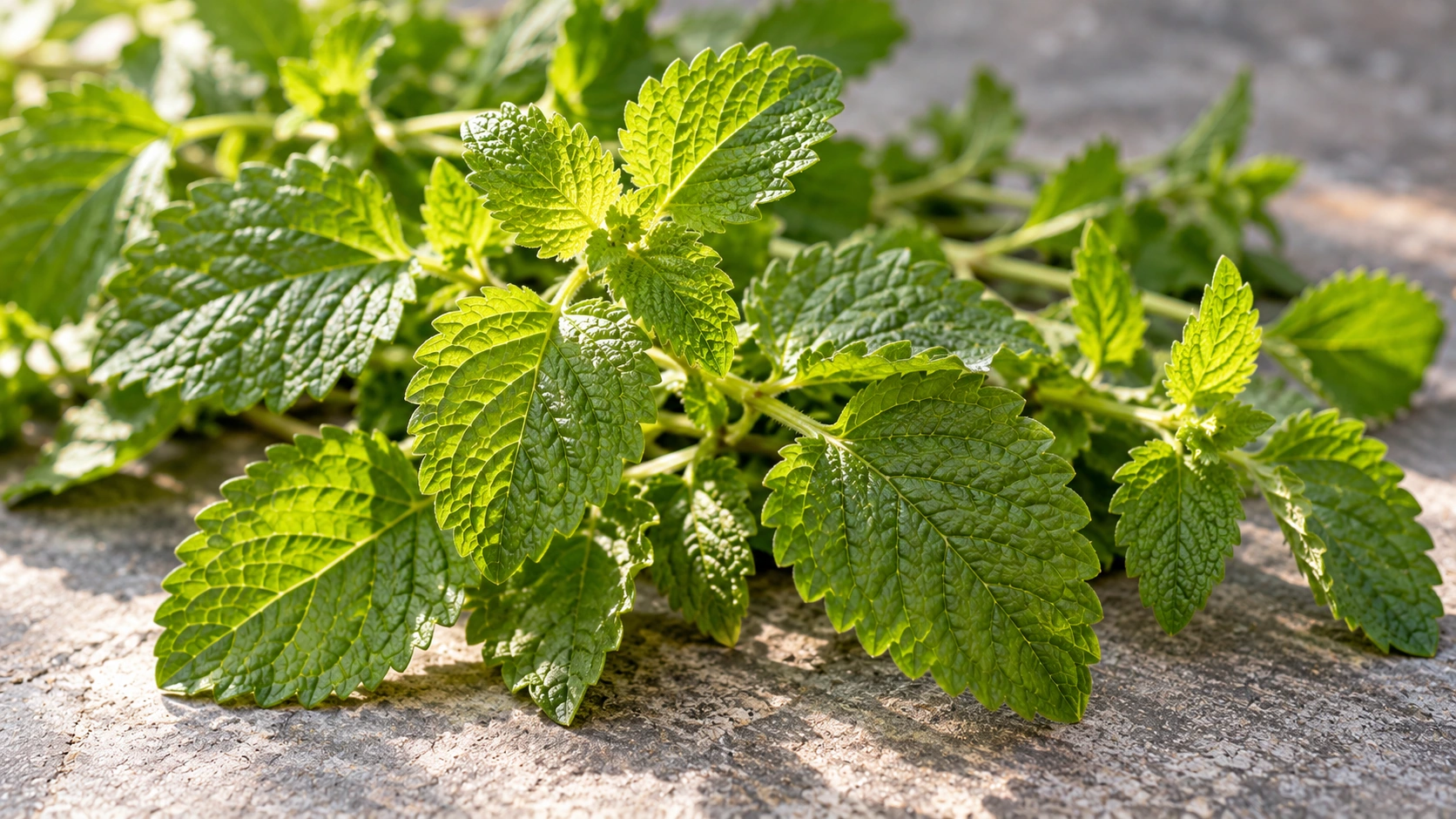
Lemon balm Europe and beyond
Melissa officinalis aromatic herb; relaxation claims require caution.
Open Lemon balm reference Europe and beyond
Tea family Leaf infusion Region or tradition Europe and beyond Caffeine Naturally caffeine-free when plain Generally naturally caffeine-free when made from the named ingredient alone; mixed products may contain actual tea leaves or added caffeine.
Read the related evidence and safety guide → Reference summary, not a treatment recommendation. Ingredient identity and preparation matter.
Stalk infusion 064
Lemongrass Southeast Asia
Cymbopogon stalk infusion with citrus-like aroma.
Open Lemongrass reference Southeast Asia
Tea family Stalk infusion Region or tradition Southeast Asia Caffeine Naturally caffeine-free when plain Generally naturally caffeine-free when made from the named ingredient alone; mixed products may contain actual tea leaves or added caffeine.
Read the related evidence and safety guide → Reference summary, not a treatment recommendation. Ingredient identity and preparation matter.
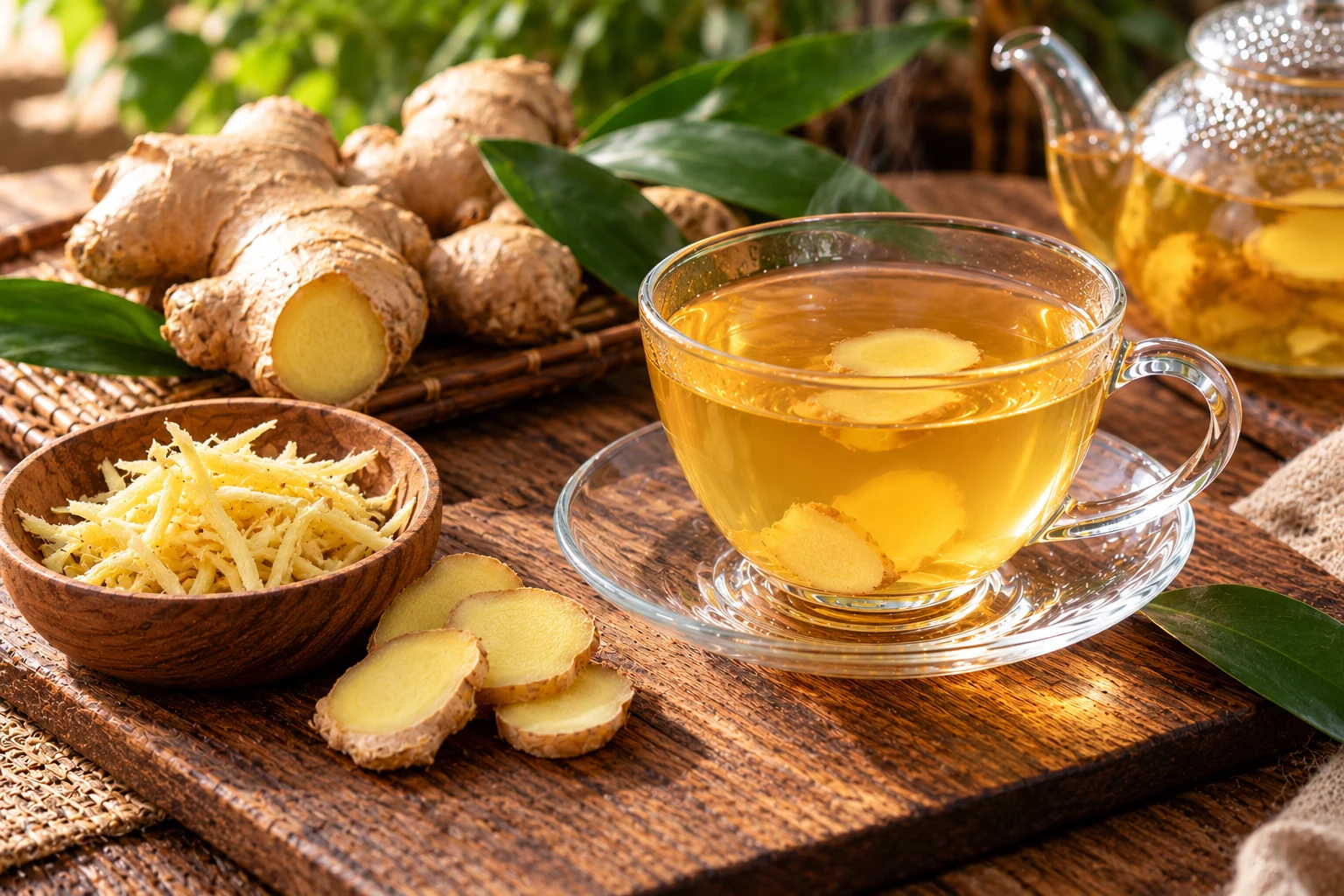
Rhizome infusion 065
Ginger Asia and global
Warm root infusion; much nausea research studies supplements, not the beverage.
Open Ginger reference Asia and global
Tea family Rhizome infusion Region or tradition Asia and global Caffeine Naturally caffeine-free when plain Generally naturally caffeine-free when made from the named ingredient alone; mixed products may contain actual tea leaves or added caffeine.
Read the related evidence and safety guide → Reference summary, not a treatment recommendation. Ingredient identity and preparation matter.
Rhizome infusion 066
Turmeric South and Southeast Asia
Golden Curcuma longa infusion; concentrated curcumin research is not evidence for a cup.
Open Turmeric reference South and Southeast Asia
Tea family Rhizome infusion Region or tradition South and Southeast Asia Caffeine Naturally caffeine-free when plain Generally naturally caffeine-free when made from the named ingredient alone; mixed products may contain actual tea leaves or added caffeine.
Read the related evidence and safety guide → Reference summary, not a treatment recommendation. Ingredient identity and preparation matter.
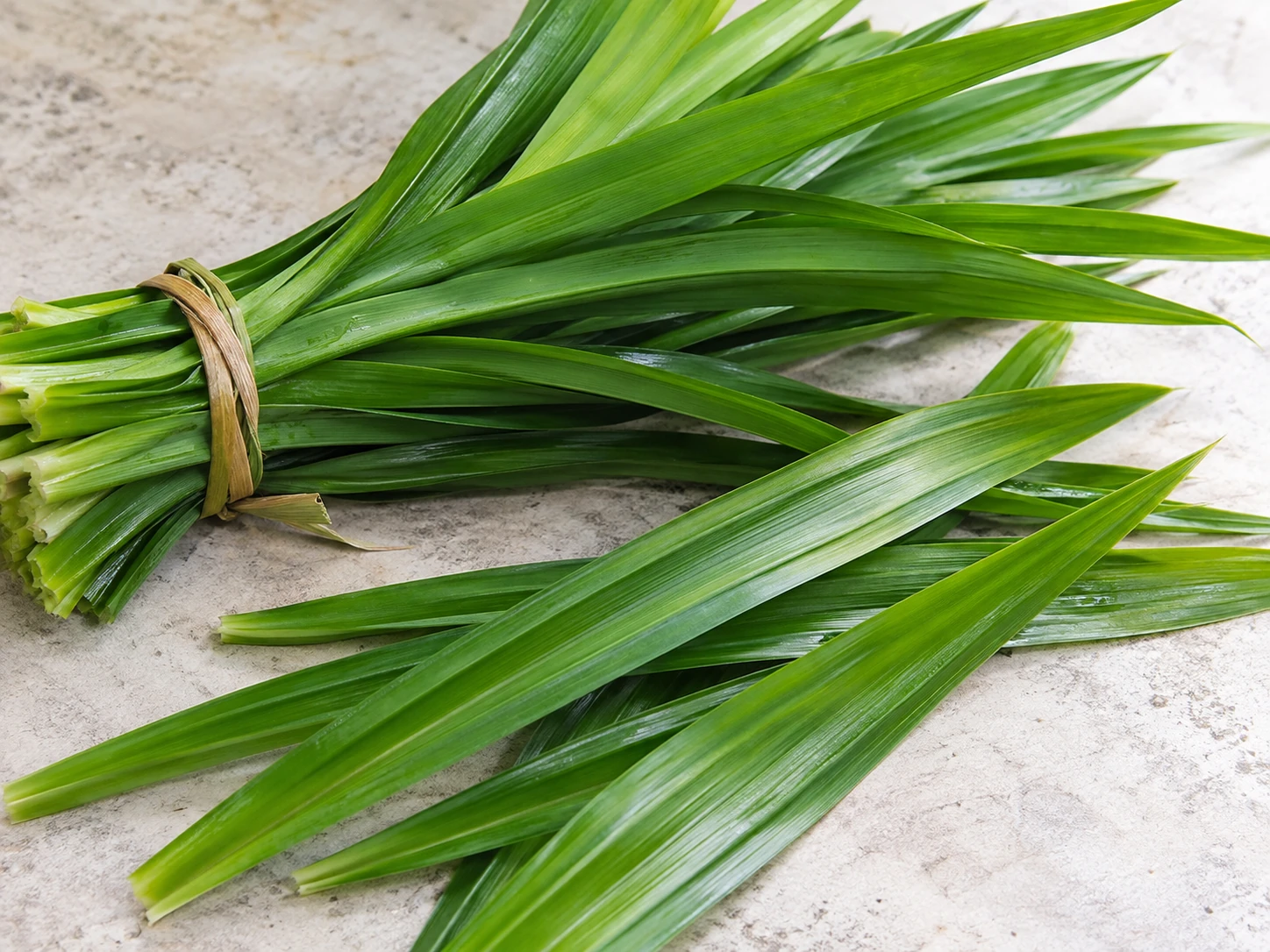
Leaf infusion 067
Pandan Southeast Asia
Fragrant Pandanus amaryllifolius leaves used in cooking and simple drinks.
Open Pandan reference Southeast Asia
Tea family Leaf infusion Region or tradition Southeast Asia Caffeine Naturally caffeine-free when plain Generally naturally caffeine-free when made from the named ingredient alone; mixed products may contain actual tea leaves or added caffeine.
Read the related evidence and safety guide → Reference summary, not a treatment recommendation. Ingredient identity and preparation matter.
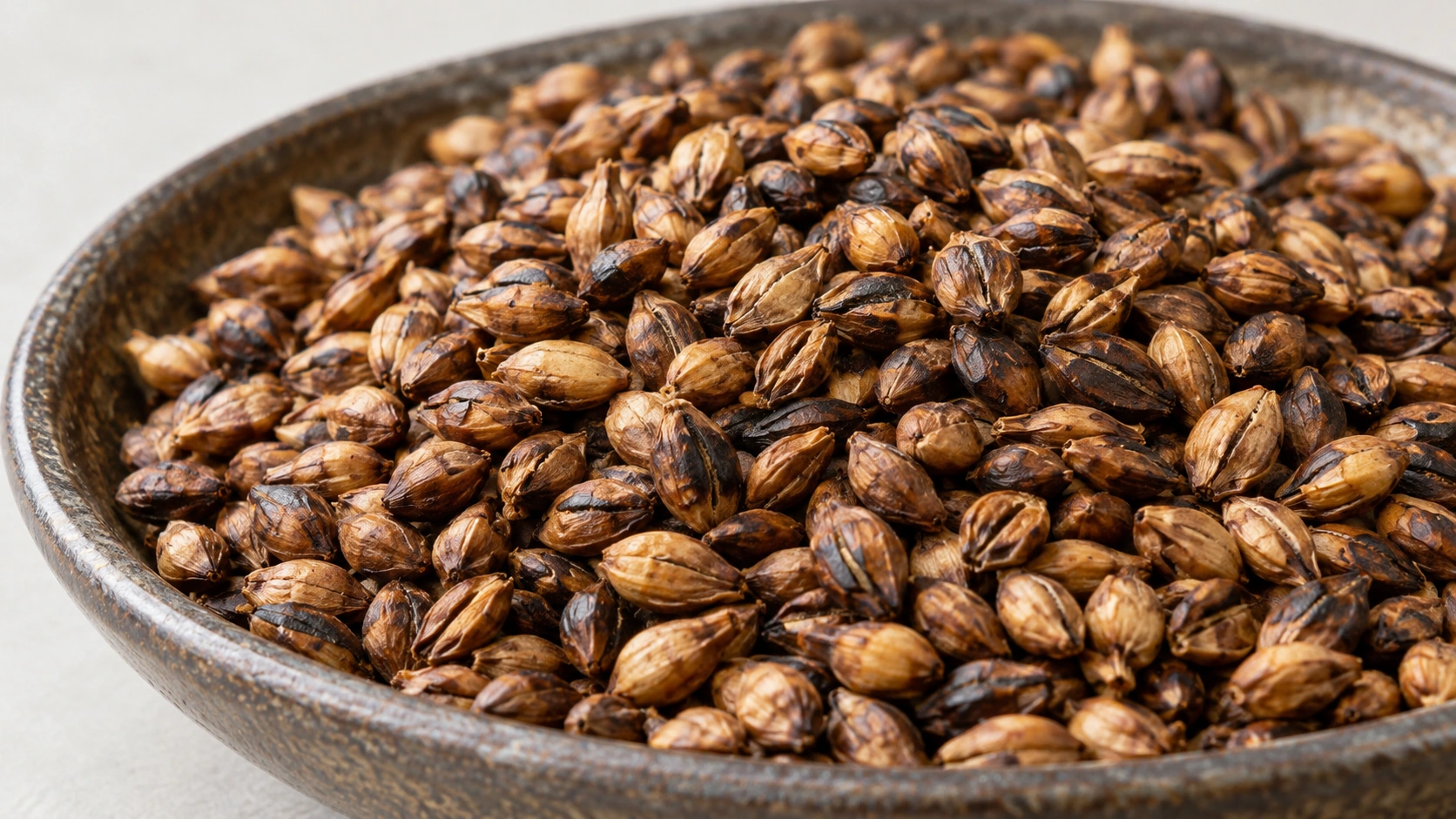
Grain infusion 068
Barley tea (Mugicha) Japan, Korea, East Asia
Roasted barley infusion; gluten is relevant for coeliac disease.
Open Barley tea (Mugicha) reference Japan, Korea, East Asia
Tea family Grain infusion Region or tradition Japan, Korea, East Asia Caffeine Naturally caffeine-free when plain Plain roasted-barley infusion is naturally caffeine-free, but barley contains gluten and is unsuitable for people who must avoid gluten, including those with coeliac disease. Blends may also contain tea leaves or added caffeine; check the full ingredient list.
Read the related evidence and safety guide → Reference summary, not a treatment recommendation. Ingredient identity and preparation matter.
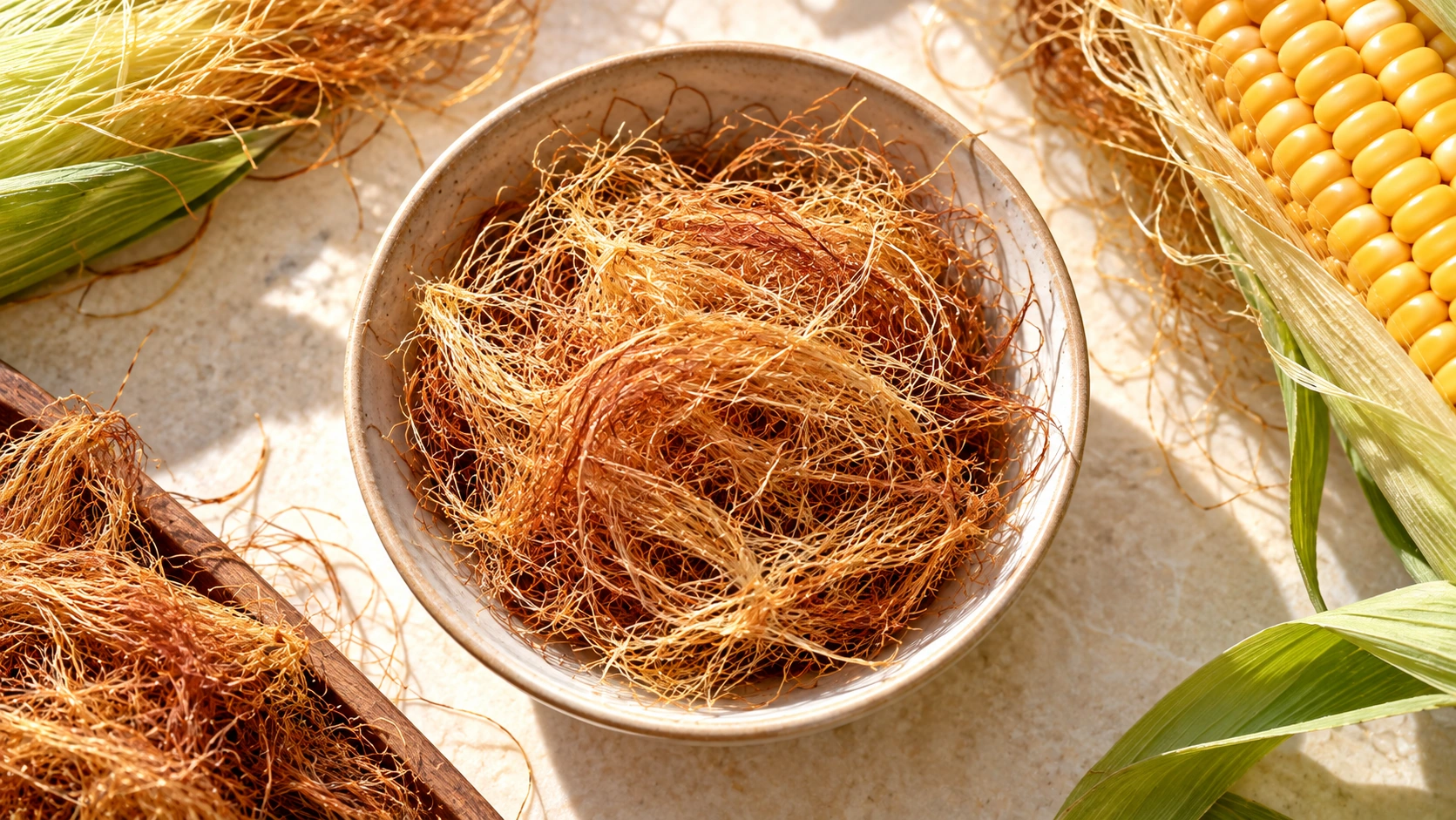
Plant infusion 069
Corn silk Many regions
Corn silk is used traditionally; condition-specific medical claims are not established.
Open Corn silk reference Many regions
Tea family Plant infusion Region or tradition Many regions Caffeine Naturally caffeine-free when plain Generally naturally caffeine-free when made from the named ingredient alone; mixed products may contain actual tea leaves or added caffeine.
Read the related evidence and safety guide → Reference summary, not a treatment recommendation. Ingredient identity and preparation matter.
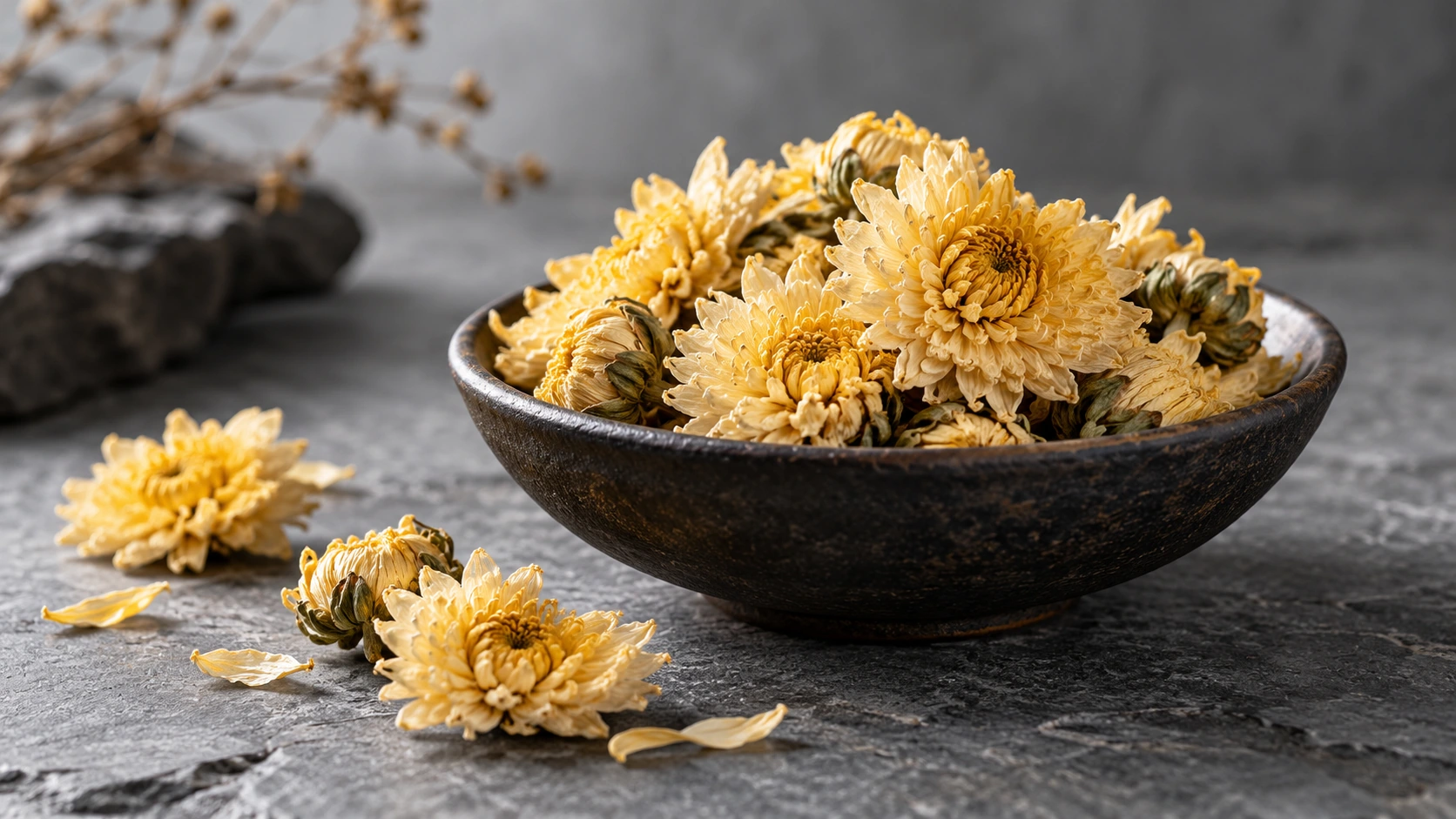
Flower infusion 070
Chrysanthemum China and East Asia
Flower infusion common in Chinese tea culture; allergy and ingredient identity matter.
Open Chrysanthemum reference China and East Asia
Tea family Flower infusion Region or tradition China and East Asia Caffeine Naturally caffeine-free when plain Generally naturally caffeine-free when made from the named ingredient alone; mixed products may contain actual tea leaves or added caffeine.
Read the related evidence and safety guide → Reference summary, not a treatment recommendation. Ingredient identity and preparation matter.
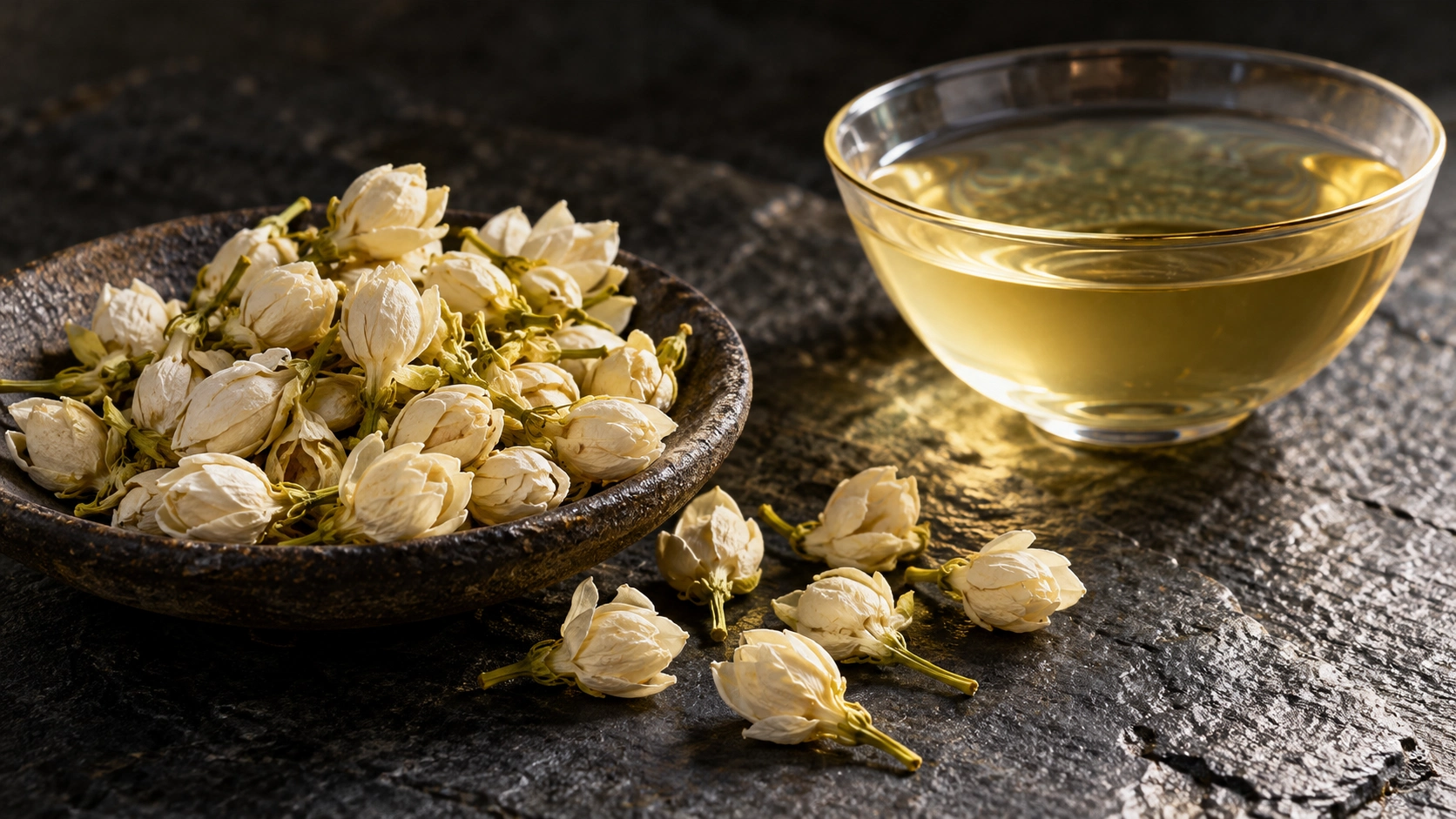
Flower infusion 071
Jasmine flower infusion China and beyond
Jasmine flowers alone can be caffeine-free; jasmine green tea contains caffeine.
Open Jasmine flower infusion reference China and beyond
Tea family Flower infusion Region or tradition China and beyond Caffeine Naturally caffeine-free when plain Generally naturally caffeine-free when made from the named ingredient alone; mixed products may contain actual tea leaves or added caffeine.
Read the related evidence and safety guide → Reference summary, not a treatment recommendation. Ingredient identity and preparation matter.
Floral green 072
Jasmine green tea China and beyond
Tea leaves scented with jasmine, with caffeine from Camellia sinensis.
Open Jasmine green tea reference China and beyond
Tea family Floral green Region or tradition China and beyond Caffeine Naturally contains caffeine Brewing strength, leaf quantity and portion size affect caffeine exposure. A mild taste does not prove a low caffeine content.
Read the related evidence and safety guide → Reference summary, not a treatment recommendation. Ingredient identity and preparation matter.
Flower infusion 073
Osmanthus flower China
Fragrant tiny flowers often blended into teas; plain flower infusion lacks tea-leaf caffeine.
Open Osmanthus flower reference China
Tea family Flower infusion Region or tradition China Caffeine Naturally caffeine-free when plain Generally naturally caffeine-free when made from the named ingredient alone; mixed products may contain actual tea leaves or added caffeine.
Read the related evidence and safety guide → Reference summary, not a treatment recommendation. Ingredient identity and preparation matter.
Flower infusion 074
Rose petals Global
Petal infusion with floral aroma; check safety of culinary-grade petals.
Open Rose petals reference Global
Tea family Flower infusion Region or tradition Global Caffeine Naturally caffeine-free when plain Generally naturally caffeine-free when made from the named ingredient alone; mixed products may contain actual tea leaves or added caffeine.
Read the related evidence and safety guide → Reference summary, not a treatment recommendation. Ingredient identity and preparation matter.
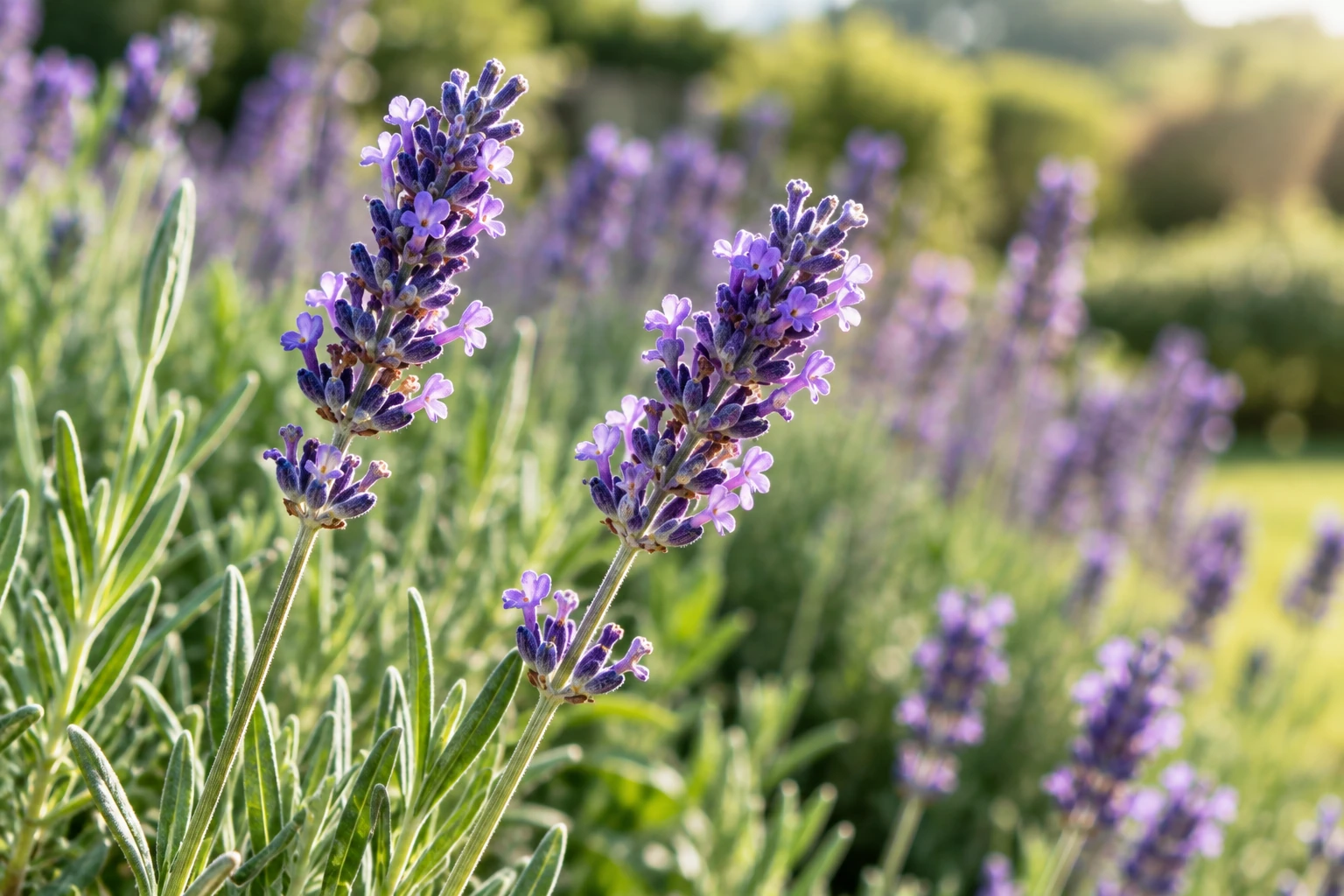
Flower infusion 075
Lavender Mediterranean and global
Strongly aromatic flower infusion; medicinal claims should not be assumed.
Open Lavender reference Mediterranean and global
Tea family Flower infusion Region or tradition Mediterranean and global Caffeine Naturally caffeine-free when plain Generally naturally caffeine-free when made from the named ingredient alone; mixed products may contain actual tea leaves or added caffeine.
Read the related evidence and safety guide → Reference summary, not a treatment recommendation. Ingredient identity and preparation matter.
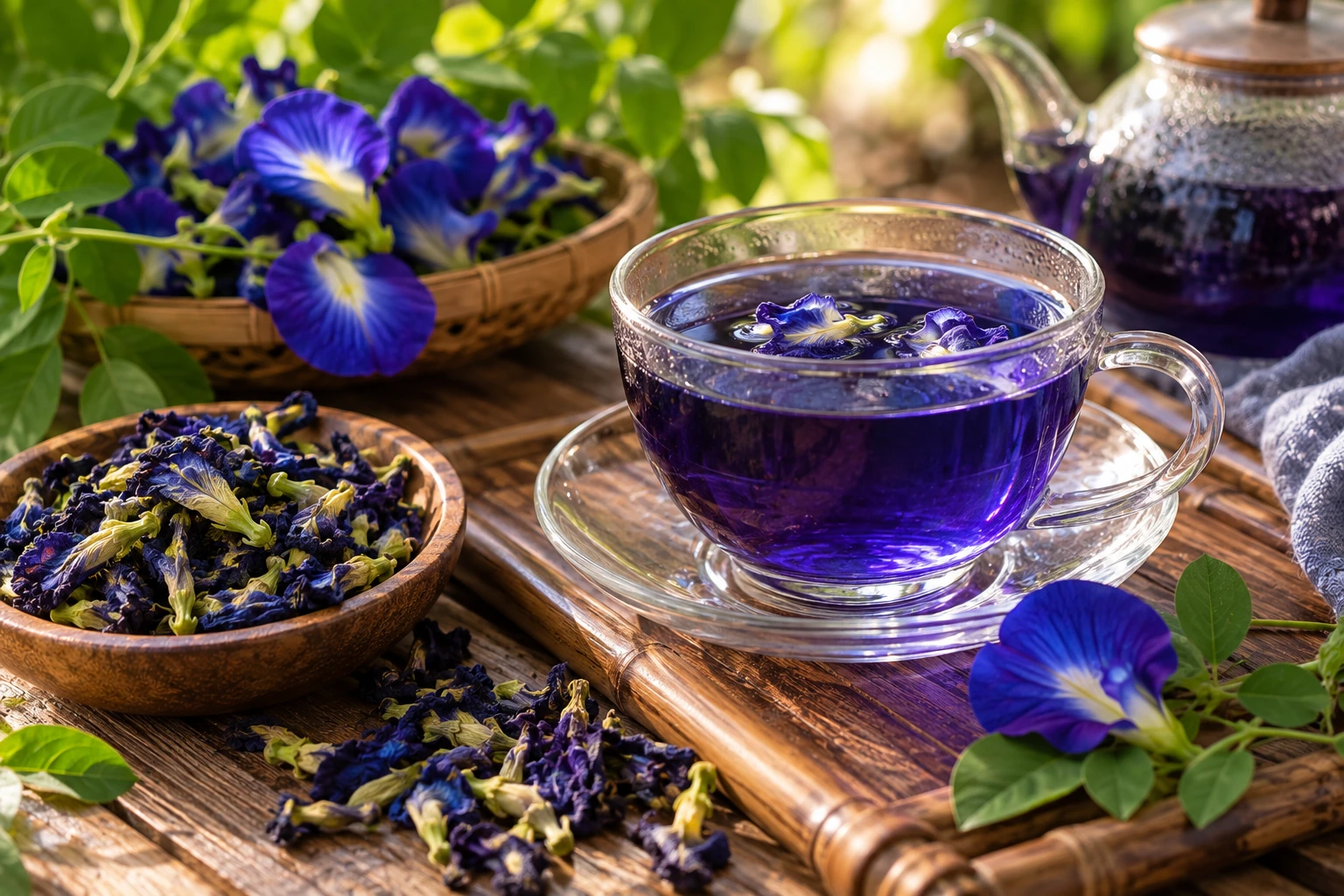
Flower infusion 076
Butterfly pea flower Southeast Asia
Clitoria ternatea blue infusion, colour-changing with acidity.
Open Butterfly pea flower reference Southeast Asia
Tea family Flower infusion Region or tradition Southeast Asia Caffeine Naturally caffeine-free when plain Generally naturally caffeine-free when made from the named ingredient alone; mixed products may contain actual tea leaves or added caffeine.
Read the related evidence and safety guide → Reference summary, not a treatment recommendation. Ingredient identity and preparation matter.
Fruit infusion 077
Dried longan infusion East and Southeast Asia
Sweet dried-fruit infusion; check added sugar in packaged mixtures.
Open Dried longan infusion reference East and Southeast Asia
Tea family Fruit infusion Region or tradition East and Southeast Asia Caffeine Naturally caffeine-free when plain Generally naturally caffeine-free when made from the named ingredient alone; mixed products may contain actual tea leaves or added caffeine.
Read the related evidence and safety guide → Reference summary, not a treatment recommendation. Ingredient identity and preparation matter.
Fruit infusion 078
Goji berry infusion China and beyond
Lycium fruit steeped in water; medication interaction questions matter for some people.
Open Goji berry infusion reference China and beyond
Tea family Fruit infusion Region or tradition China and beyond Caffeine Naturally caffeine-free when plain Generally naturally caffeine-free when made from the named ingredient alone; mixed products may contain actual tea leaves or added caffeine.
Read the related evidence and safety guide → Reference summary, not a treatment recommendation. Ingredient identity and preparation matter.
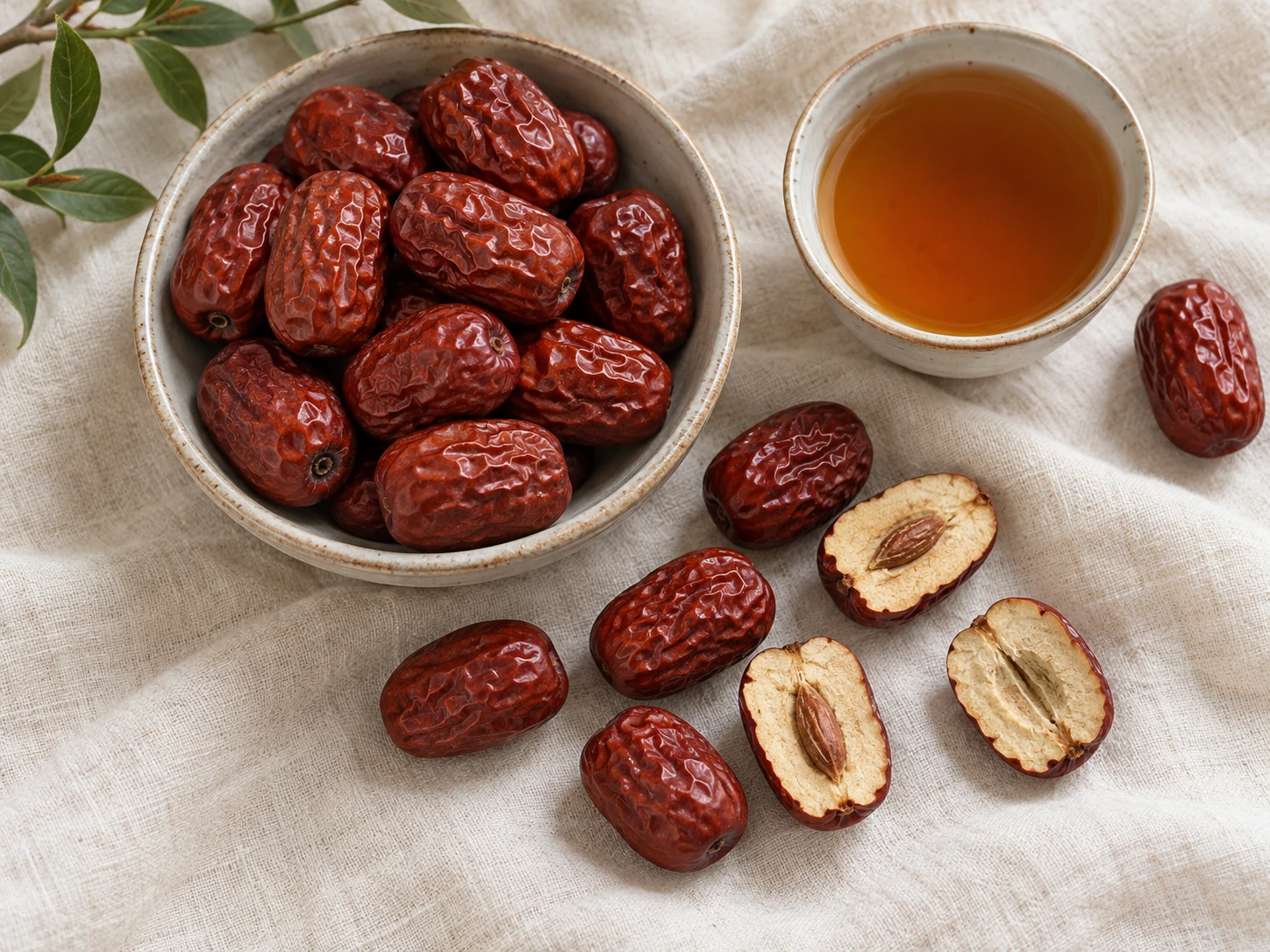
Fruit infusion 079
Red date / jujube tea East Asia
Dried jujube infusion; frequently blended with ginger or goji.
Open Red date / jujube tea reference East Asia
Tea family Fruit infusion Region or tradition East Asia Caffeine Naturally caffeine-free when plain Generally naturally caffeine-free when made from the named ingredient alone; mixed products may contain actual tea leaves or added caffeine.
Read the related evidence and safety guide → Reference summary, not a treatment recommendation. Ingredient identity and preparation matter.
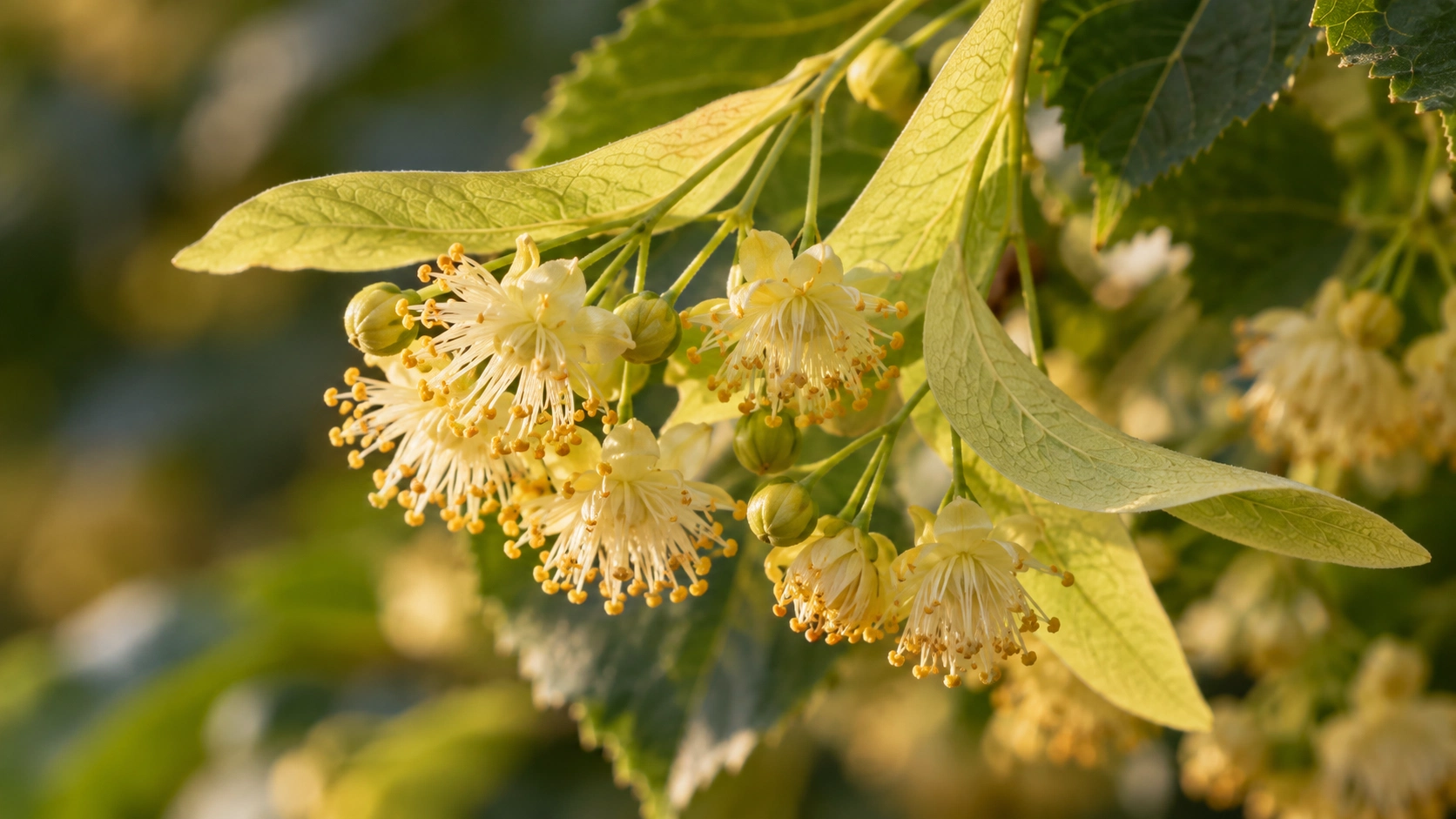
Flower infusion 080
Linden flower Europe
Tilia blossoms used in herbal tradition, evidence for treating sleep disorders is weak.
Open Linden flower reference Europe
Tea family Flower infusion Region or tradition Europe Caffeine Naturally caffeine-free when plain Generally naturally caffeine-free when made from the named ingredient alone; mixed products may contain actual tea leaves or added caffeine.
Read the related evidence and safety guide → Reference summary, not a treatment recommendation. Ingredient identity and preparation matter.
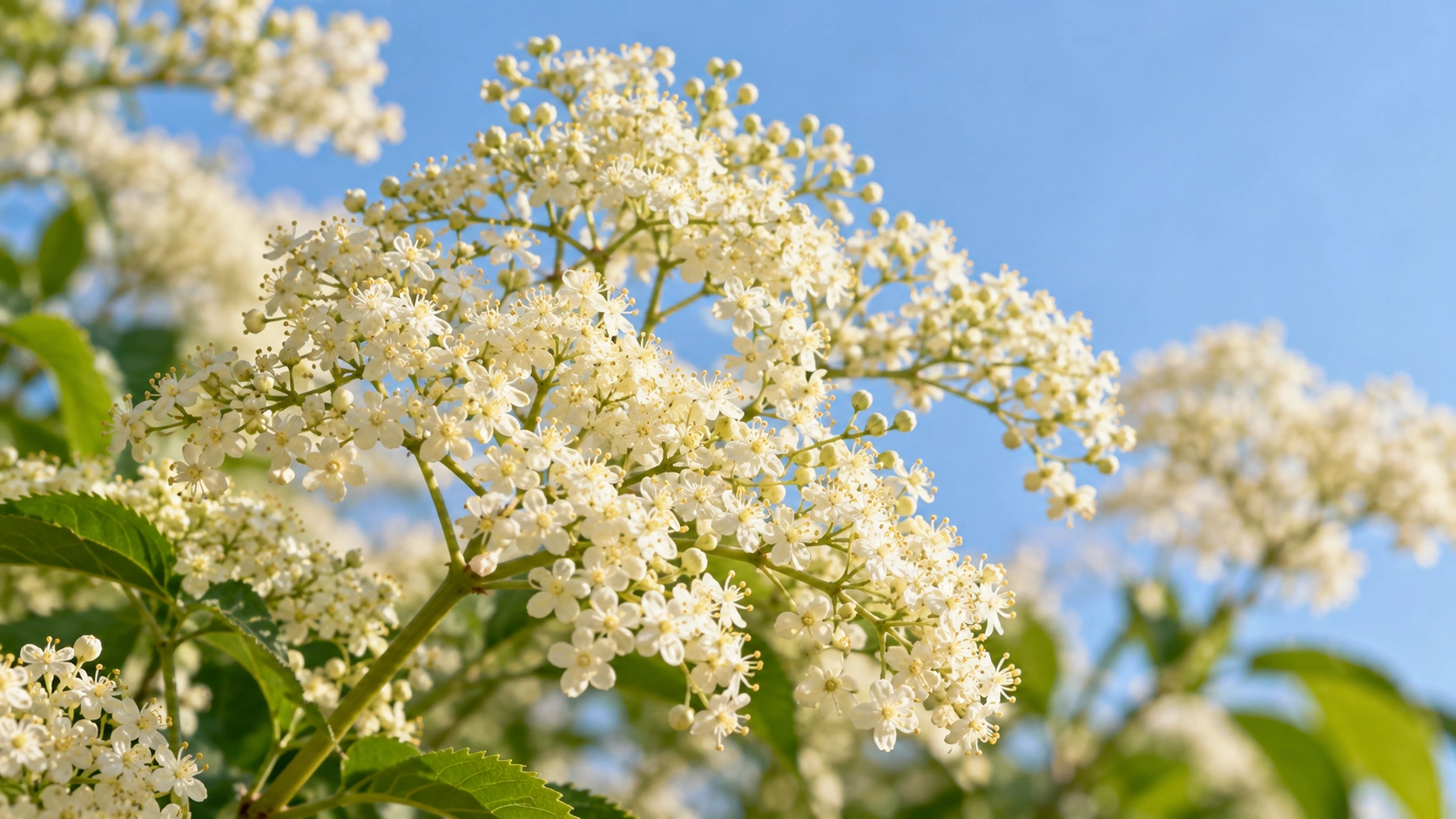
Flower infusion 081
Elderflower Europe
Sambucus blossoms; culinary-grade, correctly identified ingredients are important.
Open Elderflower reference Europe
Tea family Flower infusion Region or tradition Europe Caffeine Naturally caffeine-free when plain Generally naturally caffeine-free when made from the named ingredient alone; mixed products may contain actual tea leaves or added caffeine.
Read the related evidence and safety guide → Reference summary, not a treatment recommendation. Ingredient identity and preparation matter.
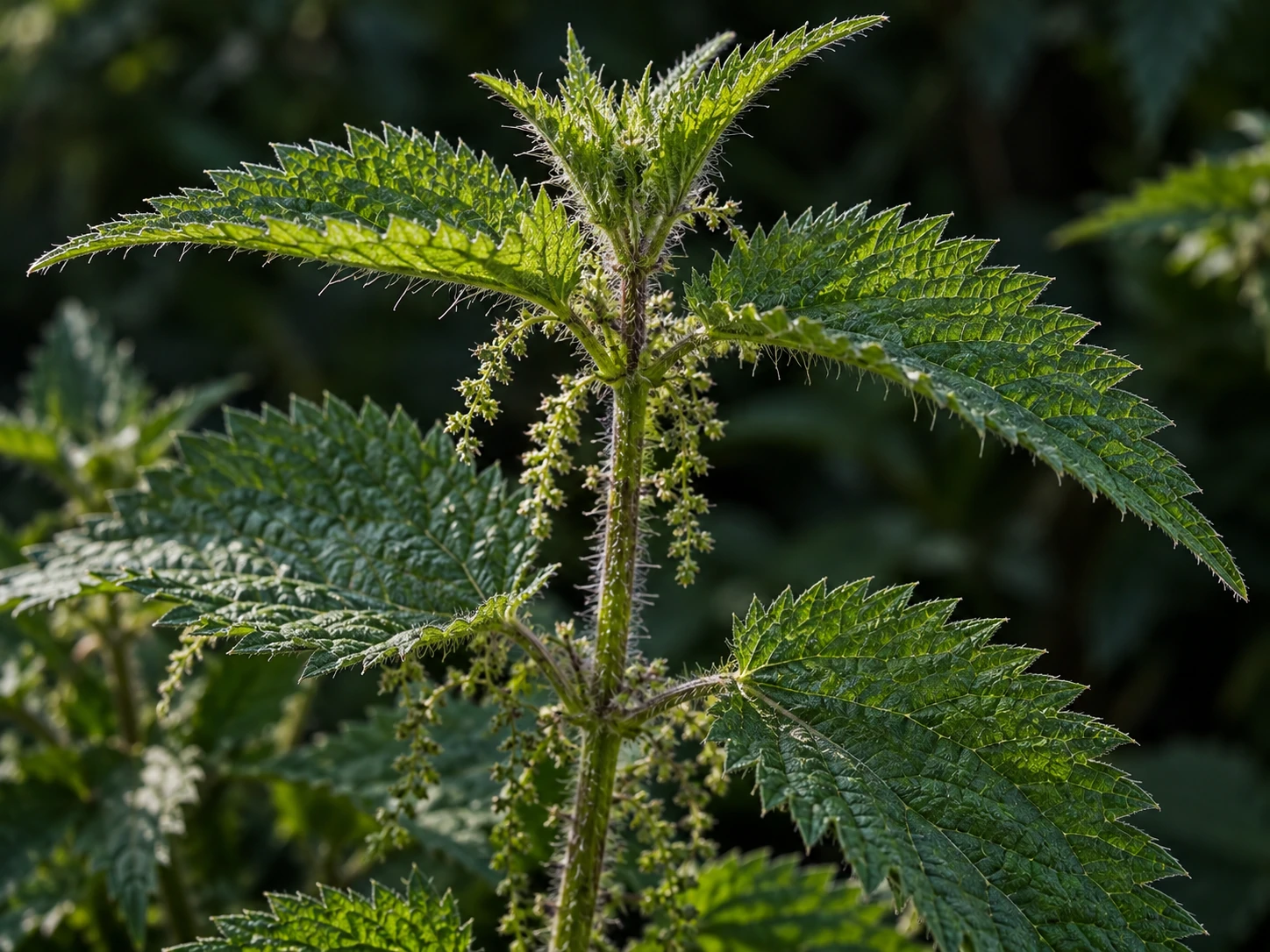
Leaf infusion 082
Nettle leaf Europe and beyond
Urtica leaf infusion used in folk traditions; pregnancy/medication cautions may apply.
Open Nettle leaf reference Europe and beyond
Tea family Leaf infusion Region or tradition Europe and beyond Caffeine Naturally caffeine-free when plain Generally naturally caffeine-free when made from the named ingredient alone; mixed products may contain actual tea leaves or added caffeine.
Read the related evidence and safety guide → Reference summary, not a treatment recommendation. Ingredient identity and preparation matter.
Root infusion 083
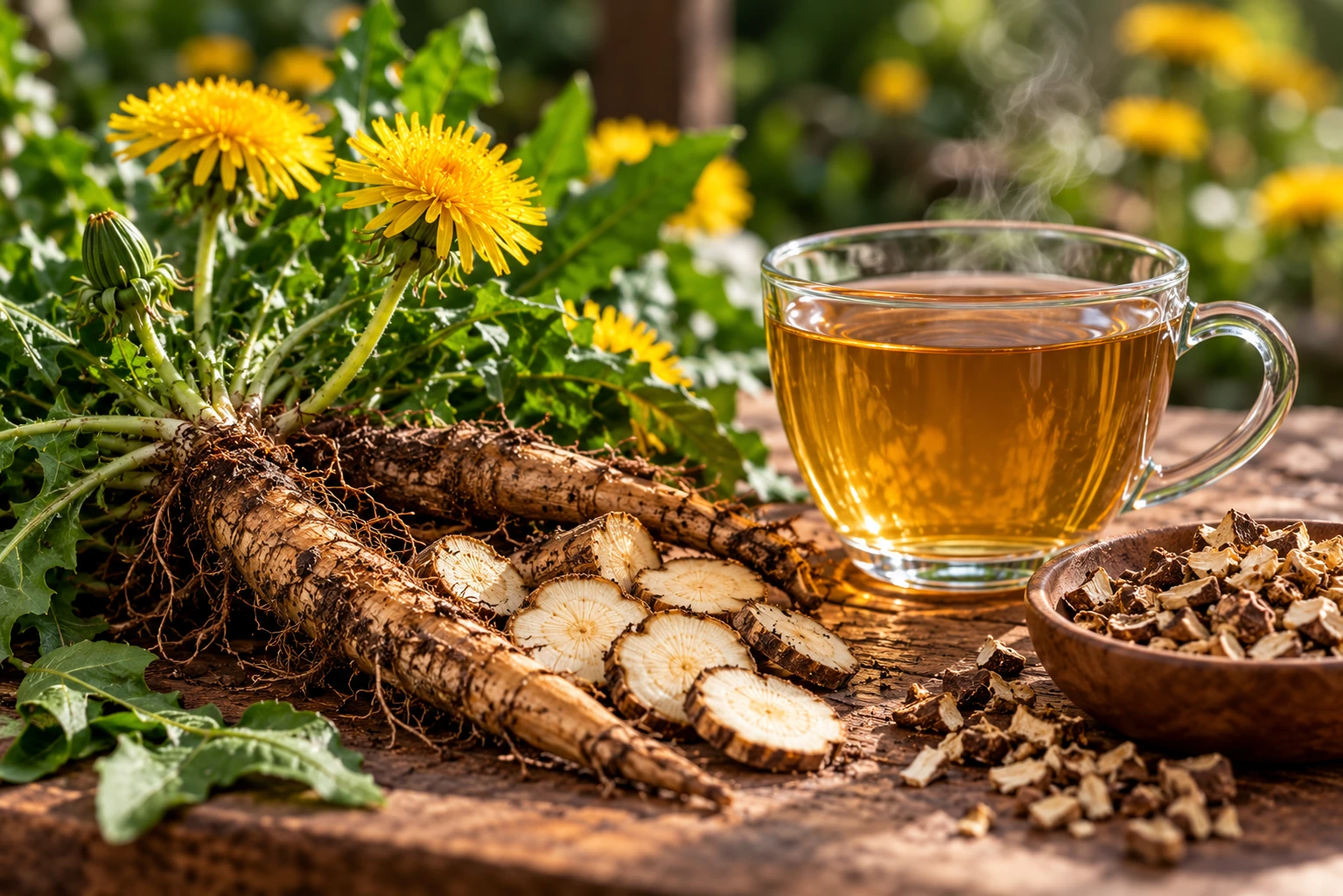
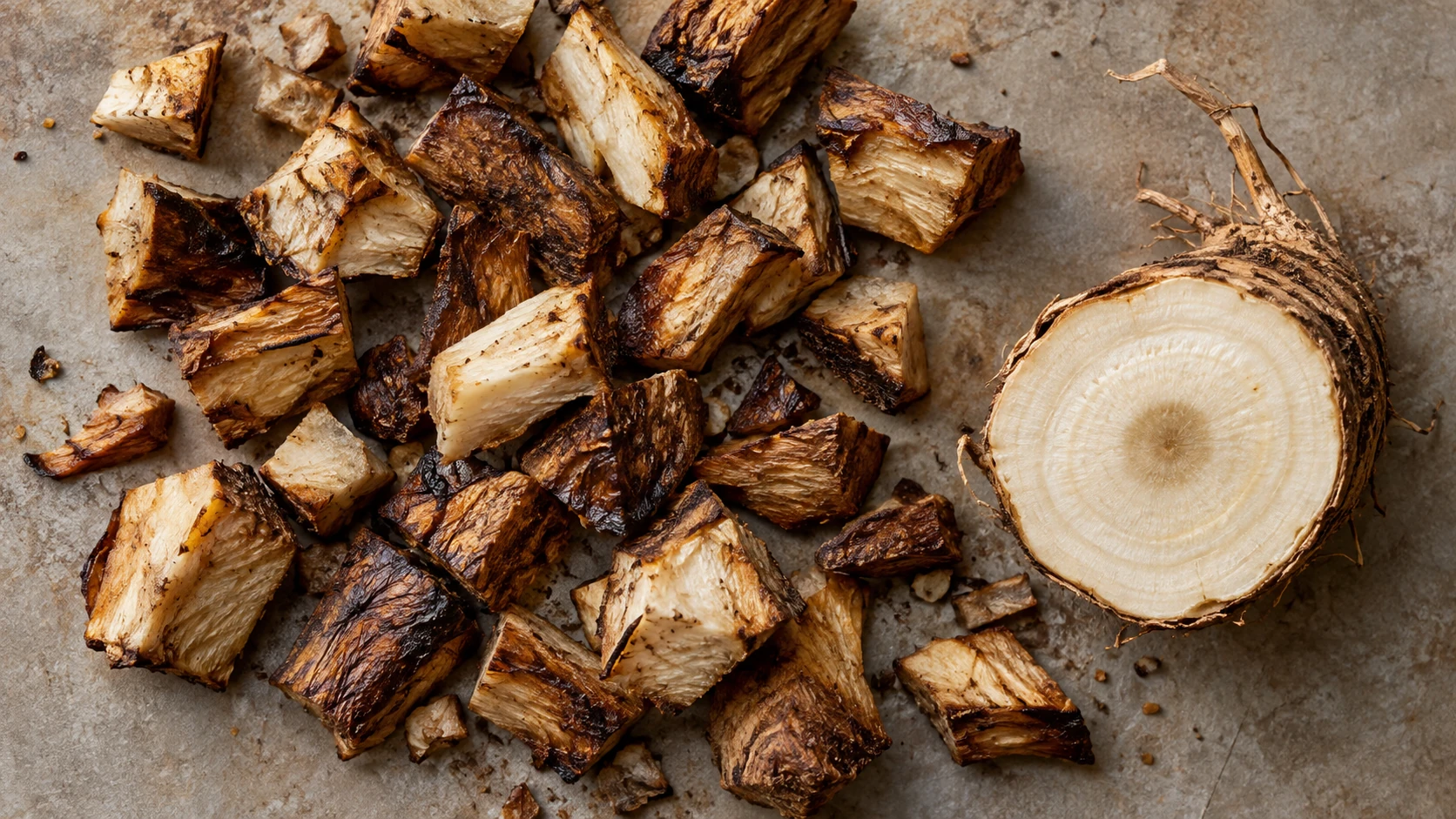
Dandelion root Global
Roasted root beverage; avoid disease-treatment promises.
Open Dandelion root reference Global
Tea family Root infusion Region or tradition Global Caffeine Naturally caffeine-free when plain Generally naturally caffeine-free when made from the named ingredient alone; mixed products may contain actual tea leaves or added caffeine.
Read the related evidence and safety guide → Reference summary, not a treatment recommendation. Ingredient identity and preparation matter.
Root infusion 084
Chicory root Europe and global
Roasted root beverage, often used as coffee alternative.
Open Chicory root reference Europe and global
Tea family Root infusion Region or tradition Europe and global Caffeine Naturally caffeine-free when plain Generally naturally caffeine-free when made from the named ingredient alone; mixed products may contain actual tea leaves or added caffeine.
Read the related evidence and safety guide → Reference summary, not a treatment recommendation. Ingredient identity and preparation matter.
Seed infusion 085
Fennel seed Mediterranean, India and beyond
Fragrant seed infusion traditionally associated with after-meal drinks.
Open Fennel seed reference Mediterranean, India and beyond
Tea family Seed infusion Region or tradition Mediterranean, India and beyond Caffeine Naturally caffeine-free when plain Generally naturally caffeine-free when made from the named ingredient alone; mixed products may contain actual tea leaves or added caffeine.
Read the related evidence and safety guide → Reference summary, not a treatment recommendation. Ingredient identity and preparation matter.
Seed infusion 086
Anise seed Mediterranean and Middle East
Licorice-like flavoured culinary seed infusion.
Open Anise seed reference Mediterranean and Middle East
Tea family Seed infusion Region or tradition Mediterranean and Middle East Caffeine Naturally caffeine-free when plain Generally naturally caffeine-free when made from the named ingredient alone; mixed products may contain actual tea leaves or added caffeine.
Read the related evidence and safety guide → Reference summary, not a treatment recommendation. Ingredient identity and preparation matter.
Spice infusion 087
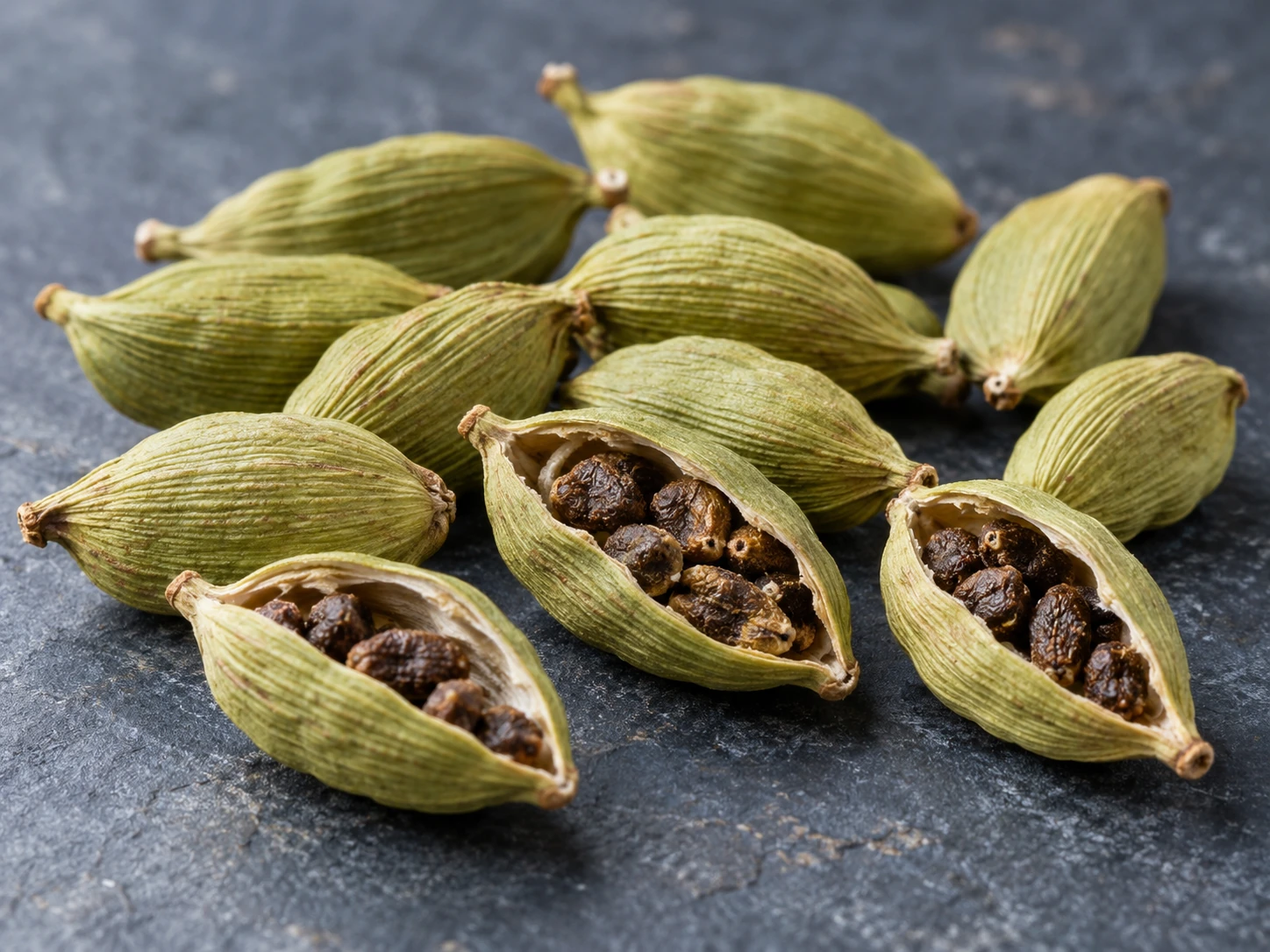
Cardamom South Asia and Middle East
Aromatic pod infusion; added black tea in chai creates caffeine.
Open Cardamom reference South Asia and Middle East
Tea family Spice infusion Region or tradition South Asia and Middle East Caffeine Naturally caffeine-free when plain Generally naturally caffeine-free when made from the named ingredient alone; mixed products may contain actual tea leaves or added caffeine.
Read the related evidence and safety guide → Reference summary, not a treatment recommendation. Ingredient identity and preparation matter.
Bark infusion 088
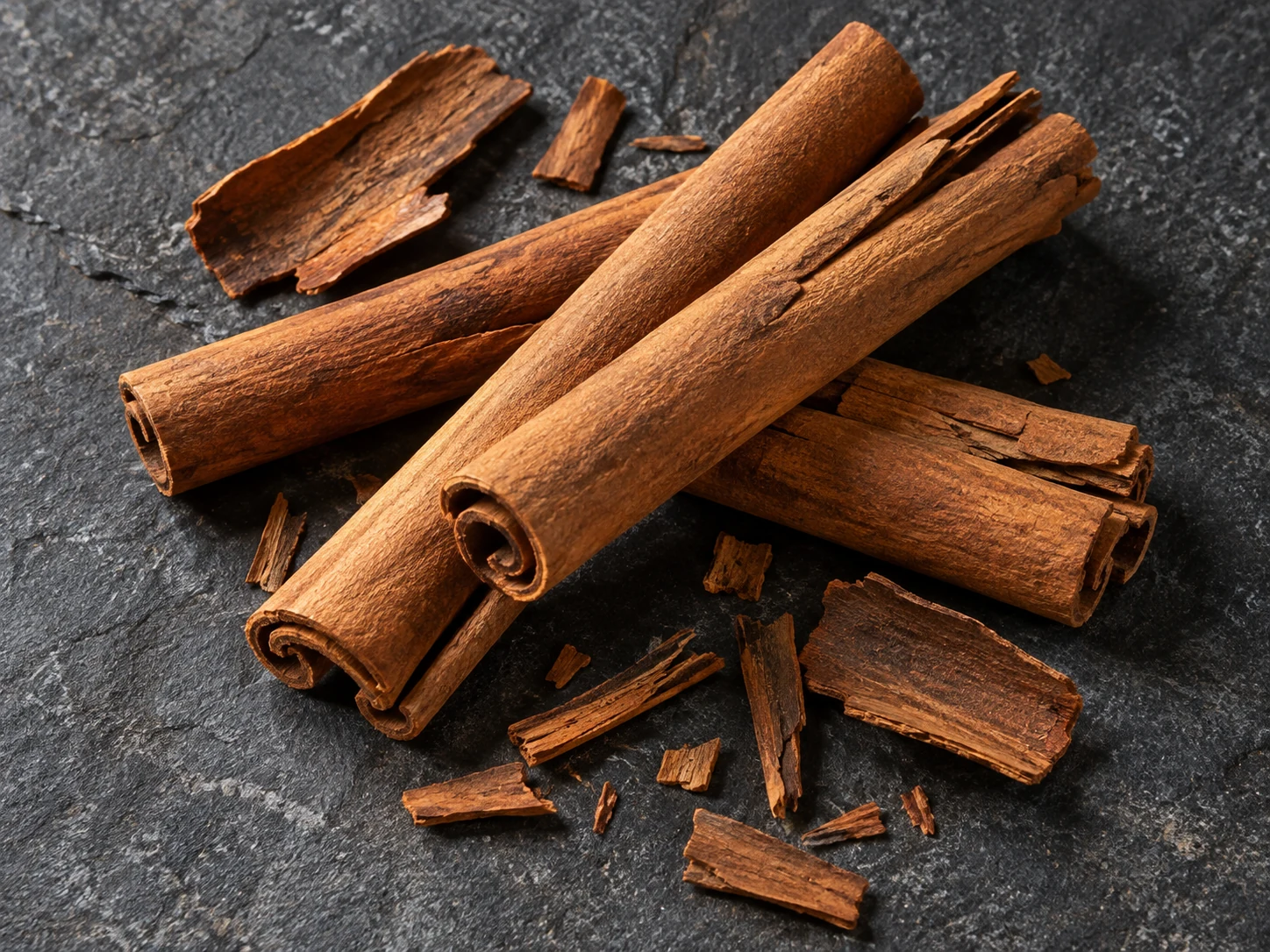
Cinnamon Global
Bark infusion with warming aroma; heavy concentrated use carries distinct cautions.
Open Cinnamon reference Global
Tea family Bark infusion Region or tradition Global Caffeine Naturally caffeine-free when plain Generally naturally caffeine-free when made from the named ingredient alone; mixed products may contain actual tea leaves or added caffeine.
Read the related evidence and safety guide → Reference summary, not a treatment recommendation. Ingredient identity and preparation matter.
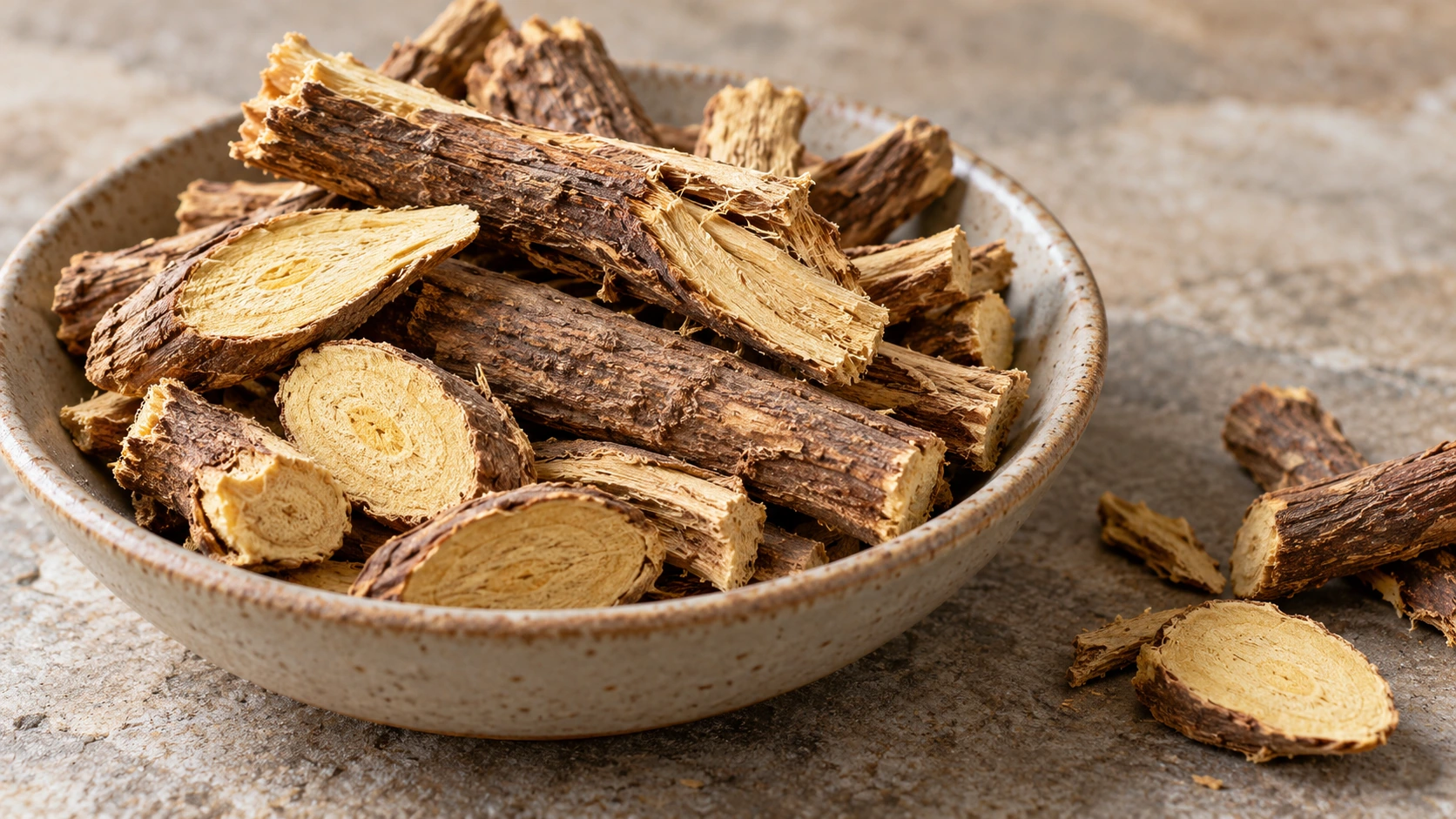
Root infusion 089
Licorice root Asia and Europe
Not a routine drink for people with high blood pressure, heart or kidney conditions.
Open Licorice root reference Asia and Europe
Tea family Root infusion Region or tradition Asia and Europe Caffeine Naturally caffeine-free when plain Generally naturally caffeine-free when made from the named ingredient alone; mixed products may contain actual tea leaves or added caffeine.
Read the related evidence and safety guide → Reference summary, not a treatment recommendation. Ingredient identity and preparation matter.
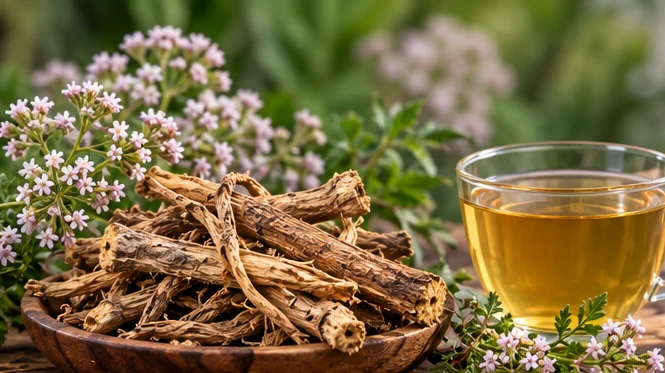
Root infusion 090
Valerian root Europe
Traditionally used for sleep, but clinical evidence remains inconsistent; sedative interactions matter.
Open Valerian root reference Europe
Tea family Root infusion Region or tradition Europe Caffeine Naturally caffeine-free when plain Generally naturally caffeine-free when made from the named ingredient alone; mixed products may contain actual tea leaves or added caffeine.
Read the related evidence and safety guide → Reference summary, not a treatment recommendation. Ingredient identity and preparation matter.
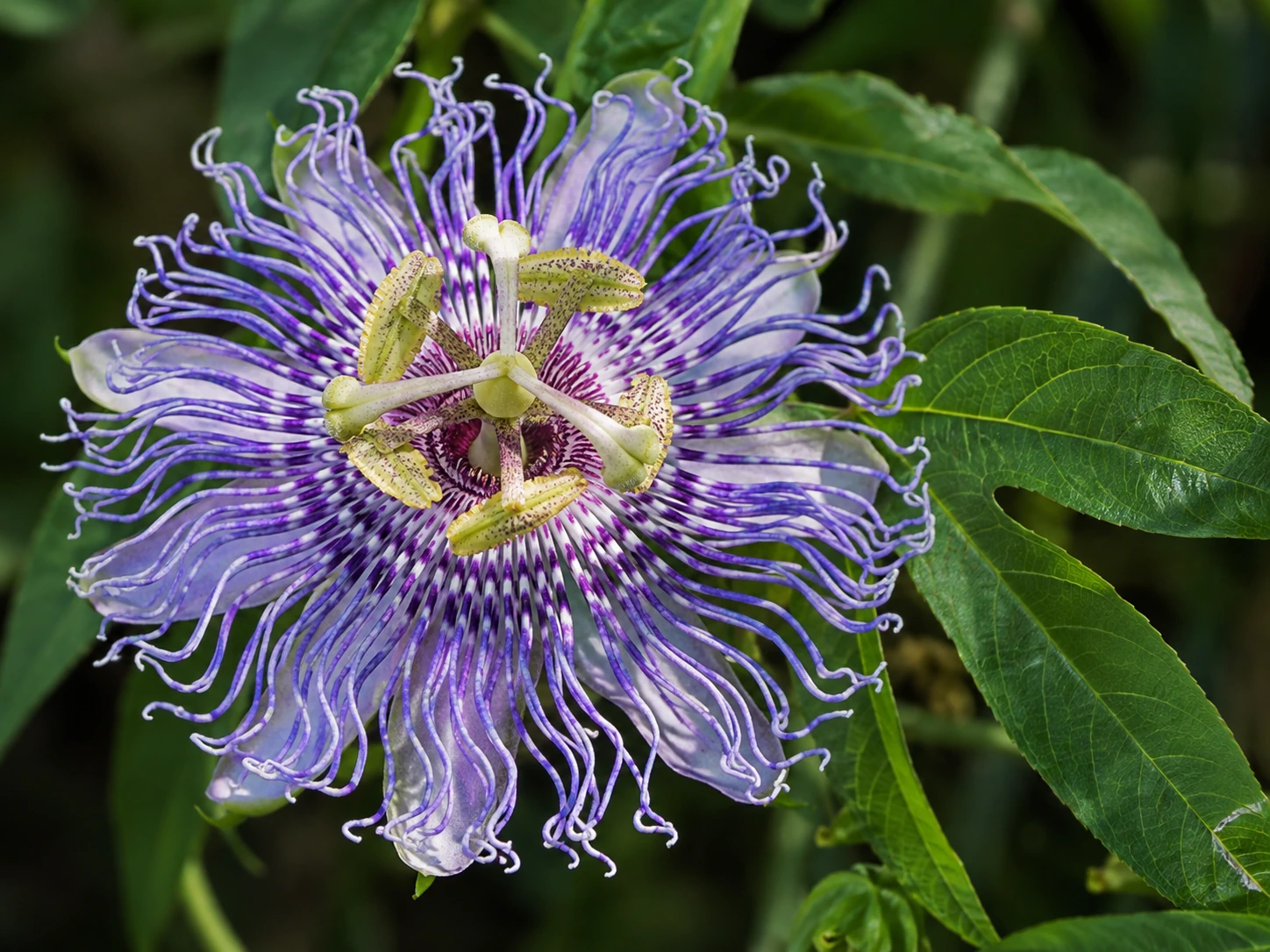
Flower infusion 091
Passionflower Americas and global
Popular calming herb; preparation, evidence and medication interactions require scrutiny.
Open Passionflower reference Americas and global
Tea family Flower infusion Region or tradition Americas and global Caffeine Naturally caffeine-free when plain Generally naturally caffeine-free when made from the named ingredient alone; mixed products may contain actual tea leaves or added caffeine.
Read the related evidence and safety guide → Reference summary, not a treatment recommendation. Ingredient identity and preparation matter.
Leaf infusion 092
Sage infusion Mediterranean
Salvia officinalis culinary-leaf infusion; avoid concentrated doses and broad medical claims.
Open Sage infusion reference Mediterranean
Tea family Leaf infusion Region or tradition Mediterranean Caffeine Naturally caffeine-free when plain Generally naturally caffeine-free when made from the named ingredient alone; mixed products may contain actual tea leaves or added caffeine.
Read the related evidence and safety guide → Reference summary, not a treatment recommendation. Ingredient identity and preparation matter.
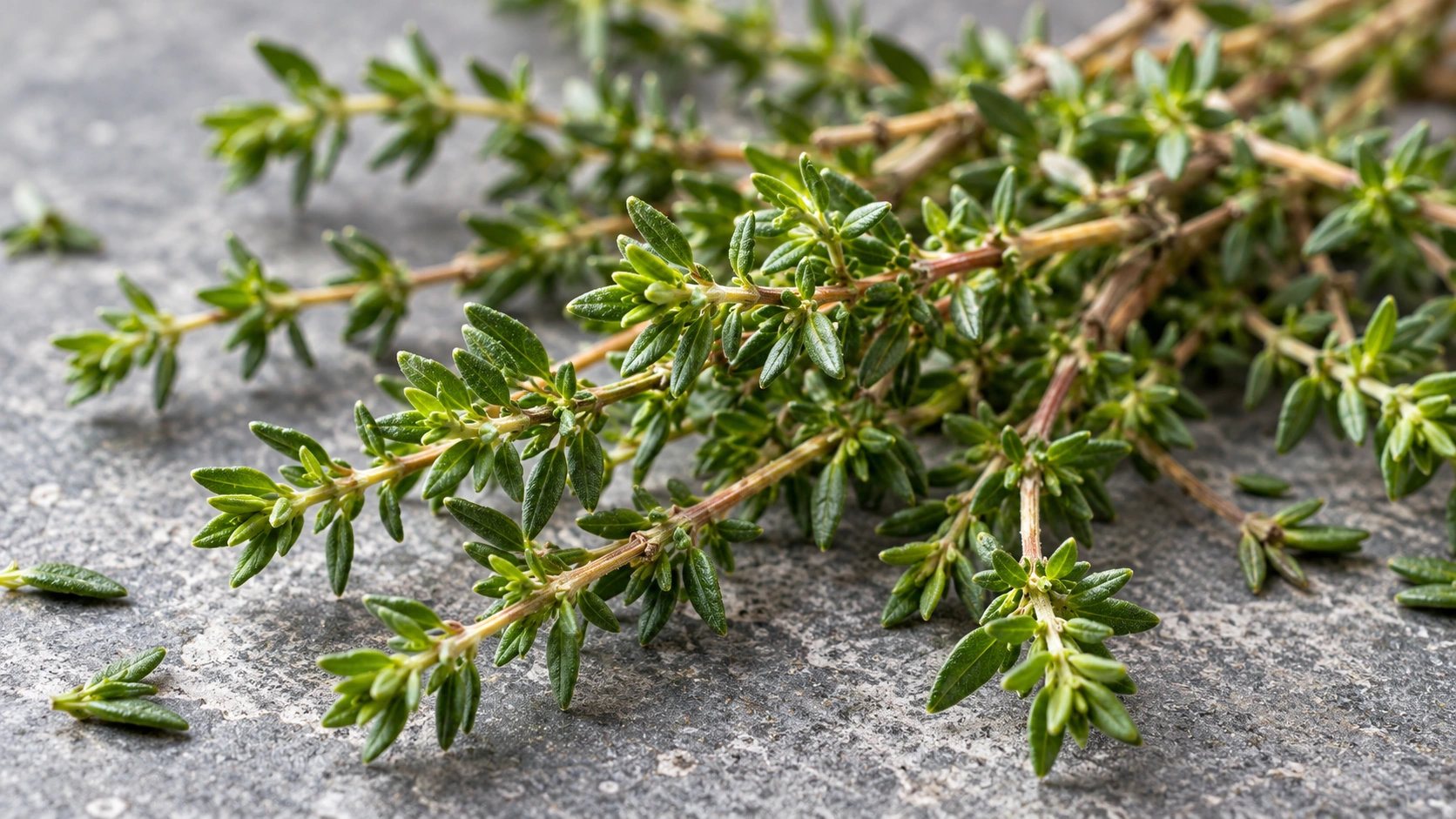
Leaf infusion 093
Thyme infusion Mediterranean
Aromatic culinary-herb drink; not a proven respiratory treatment.
Open Thyme infusion reference Mediterranean
Tea family Leaf infusion Region or tradition Mediterranean Caffeine Naturally caffeine-free when plain Generally naturally caffeine-free when made from the named ingredient alone; mixed products may contain actual tea leaves or added caffeine.
Read the related evidence and safety guide → Reference summary, not a treatment recommendation. Ingredient identity and preparation matter.
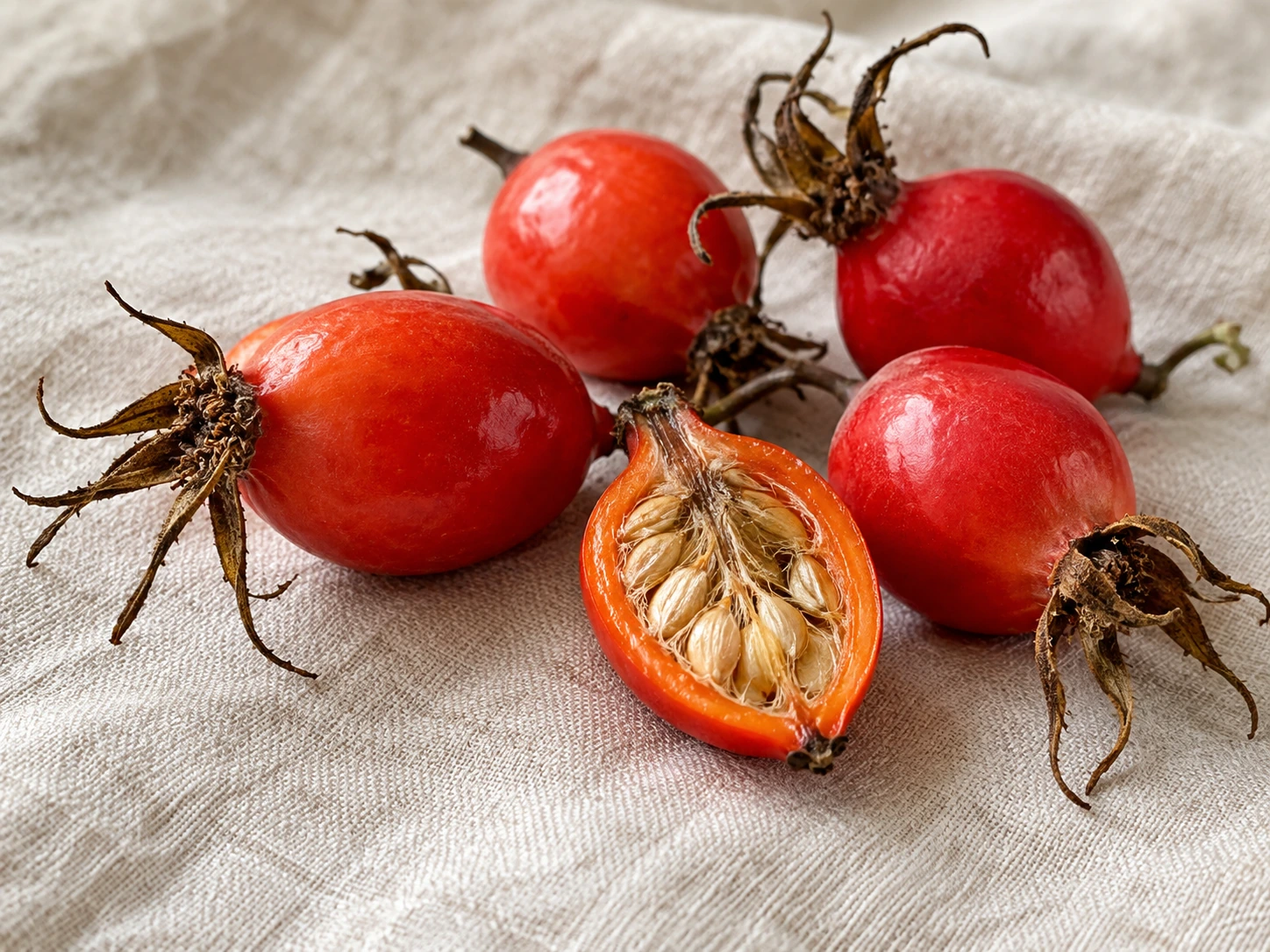
Fruit infusion 094
Rosehip Europe and global
Tart Rosa fruit infusion; vitamin levels depend on processing.
Open Rosehip reference Europe and global
Tea family Fruit infusion Region or tradition Europe and global Caffeine Naturally caffeine-free when plain Generally naturally caffeine-free when made from the named ingredient alone; mixed products may contain actual tea leaves or added caffeine.
Read the related evidence and safety guide → Reference summary, not a treatment recommendation. Ingredient identity and preparation matter.
Leaf infusion 095
Lemon verbena South America and global
Citrusy Aloysia citrodora leaves popular in fragrant blends.
Open Lemon verbena reference South America and global
Tea family Leaf infusion Region or tradition South America and global Caffeine Naturally caffeine-free when plain Generally naturally caffeine-free when made from the named ingredient alone; mixed products may contain actual tea leaves or added caffeine.
Read the related evidence and safety guide → Reference summary, not a treatment recommendation. Ingredient identity and preparation matter.
Cacao infusion 096
Cacao husk tea Global
Cacao byproduct steeped in water; cacao naturally contains theobromine and may contain caffeine.
Open Cacao husk tea reference Global
Tea family Cacao infusion Region or tradition Global Caffeine Caffeine depends on ingredients/species Caffeine content depends on the specific ingredients and preparation. Check labels before choosing for bedtime.
Read the related evidence and safety guide → Reference summary, not a treatment recommendation. Ingredient identity and preparation matter.
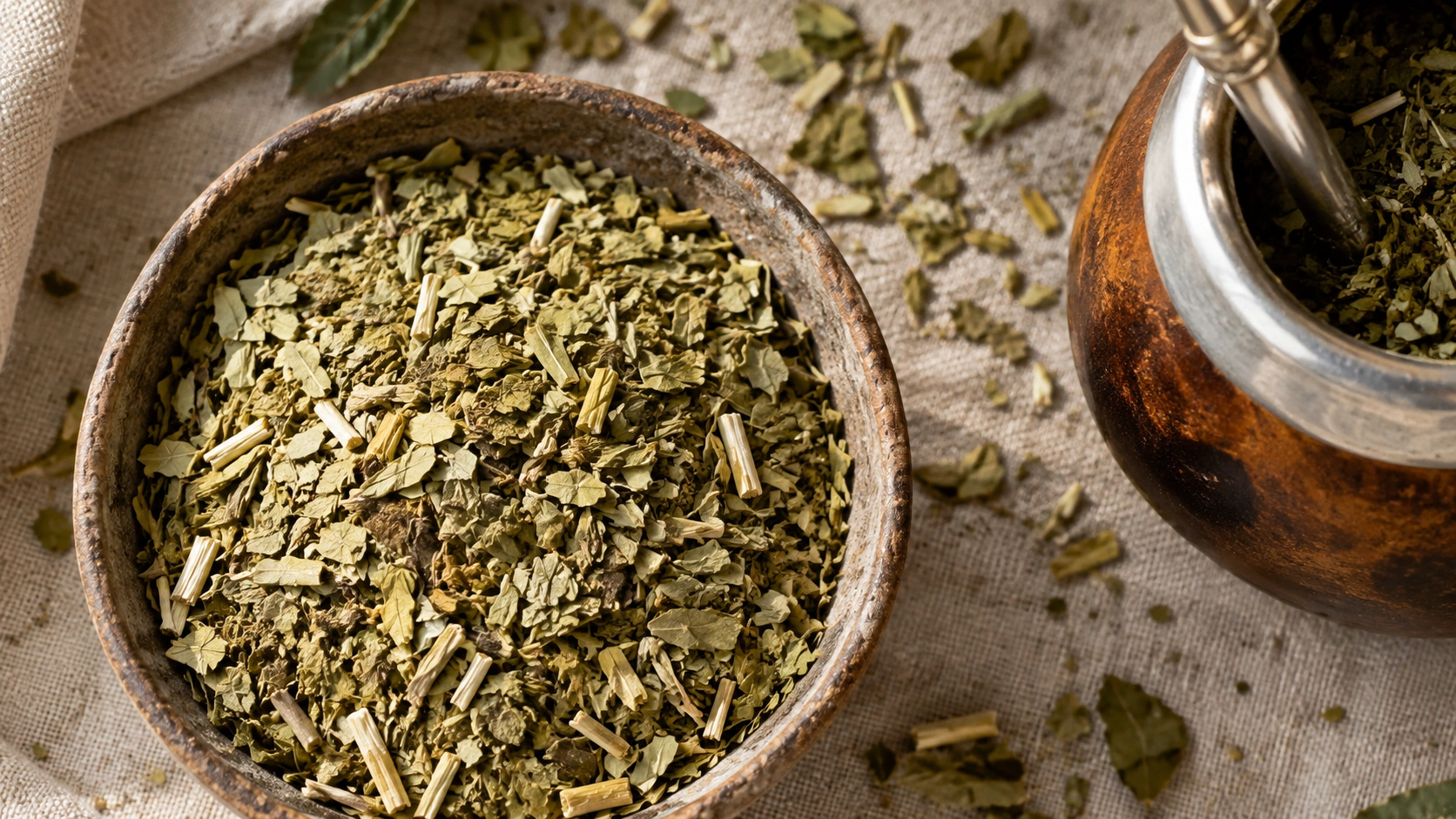
Caffeinated holly 097
Yerba mate South America
Ilex paraguariensis is naturally caffeinated and is not Camellia sinensis tea.
Open Yerba mate reference South America
Tea family Caffeinated holly Region or tradition South America Caffeine Naturally contains caffeine Brewing strength, leaf quantity and portion size affect caffeine exposure. A mild taste does not prove a low caffeine content.
Read the related evidence and safety guide → Reference summary, not a treatment recommendation. Ingredient identity and preparation matter.
Caffeinated holly 098
Guayusa Amazonian Ecuador
Ilex guayusa infusion contains caffeine.
Open Guayusa reference Amazonian Ecuador
Tea family Caffeinated holly Region or tradition Amazonian Ecuador Caffeine Naturally contains caffeine Brewing strength, leaf quantity and portion size affect caffeine exposure. A mild taste does not prove a low caffeine content.
Read the related evidence and safety guide → Reference summary, not a treatment recommendation. Ingredient identity and preparation matter.
Caffeinated holly 099
Yaupon North America
Ilex vomitoria is a caffeine-containing holly used as a beverage.
Open Yaupon reference North America
Tea family Caffeinated holly Region or tradition North America Caffeine Naturally contains caffeine Brewing strength, leaf quantity and portion size affect caffeine exposure. A mild taste does not prove a low caffeine content.
Read the related evidence and safety guide → Reference summary, not a treatment recommendation. Ingredient identity and preparation matter.
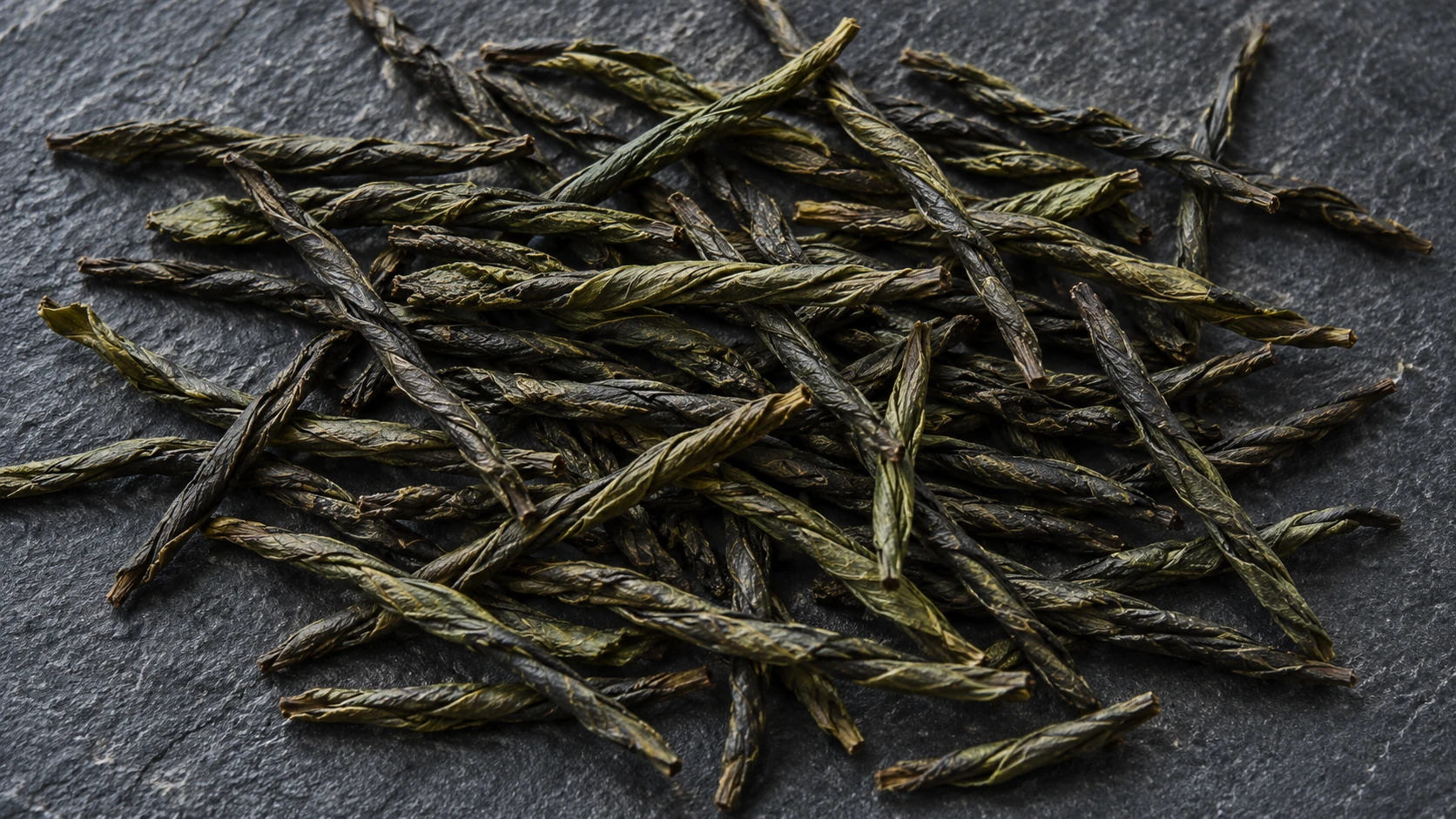
Bitter holly / botanicals 100
Kuding China
A name used for different bitter-leaf plants; check exact species and ingredients.
Open Kuding reference China
Tea family Bitter holly / botanicals Region or tradition China Caffeine Caffeine depends on ingredients/species Caffeine content depends on the specific ingredients and preparation. Check labels before choosing for bedtime.
Read the related evidence and safety guide → Reference summary, not a treatment recommendation. Ingredient identity and preparation matter.
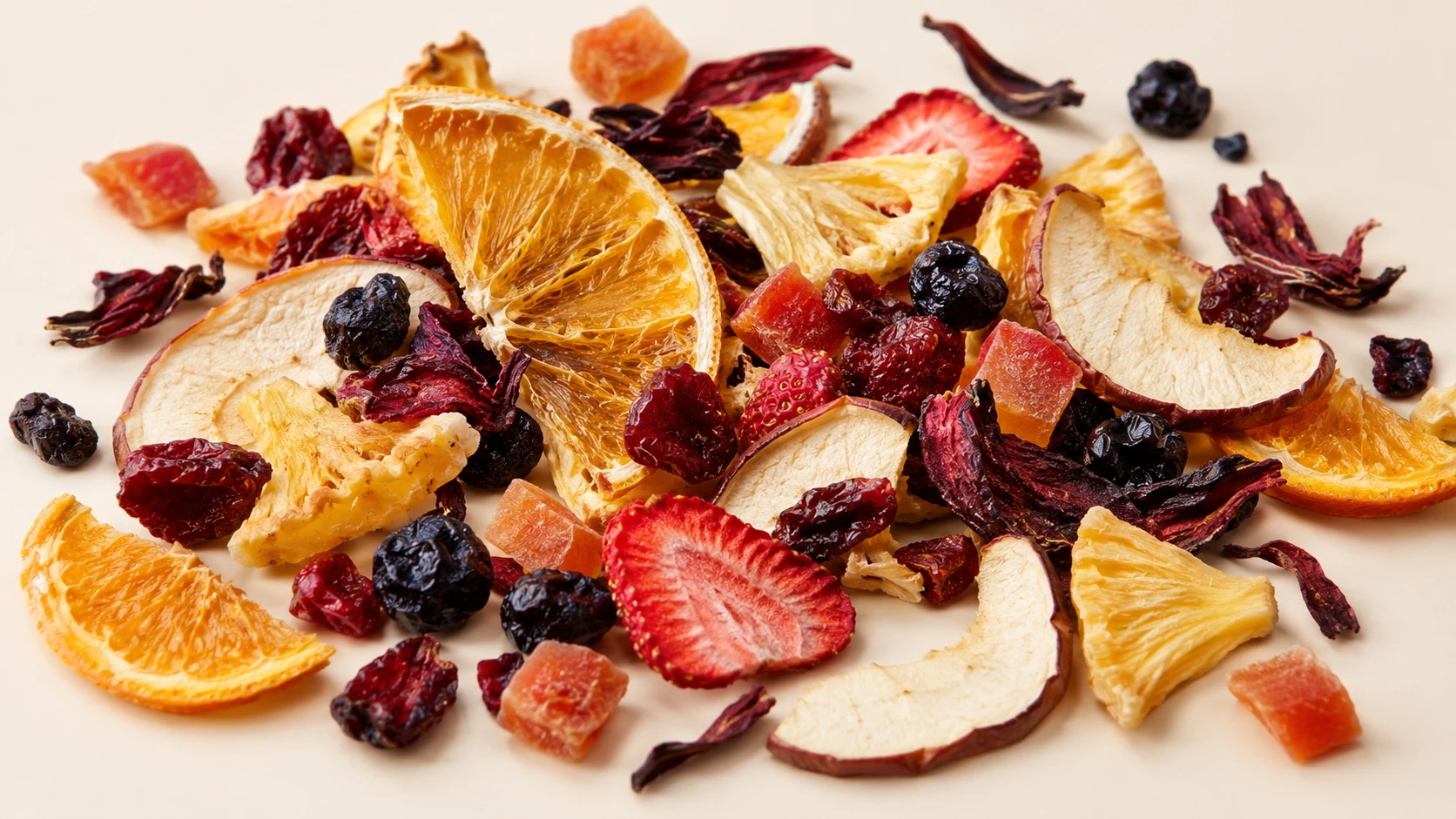
Fruit blend 101
Fruit infusion blends Global
Caffeine-free only when ingredients contain no tea, mate, guayusa or other caffeinated plants.
Open Fruit infusion blends reference Global
Tea family Fruit blend Region or tradition Global Caffeine Caffeine depends on ingredients/species Caffeine content depends on the specific ingredients and preparation. Check labels before choosing for bedtime.
Read the related evidence and safety guide → Reference summary, not a treatment recommendation. Ingredient identity and preparation matter.
Black tea beverage 102
Thai iced tea (Cha Yen) Thailand
A Thai iced black-tea drink commonly served with sweetened condensed milk and ice. Recipes and tea mixes vary; tea contributes caffeine.
Open Thai iced tea (Cha Yen) reference A Thai iced black-tea drink commonly served with sweetened condensed milk and ice. Recipes and tea mixes vary; tea contributes caffeine.
Tea family Black tea beverage Region or tradition Thailand Caffeine Naturally contains caffeine This is a prepared drink, not a distinct botanical tea family. Some versions include added colouring or flavourings, and sweetened milk increases sugar content. Check ingredients rather than assuming it is a low-caffeine or low-sugar drink.
Read the Thai tea guide → Cultural and ingredient reference, not a treatment recommendation.
Oolong 103
Chiang Rai oolong Thailand · Chiang Rai
Oolong made from tea leaves cultivated in northern Thailand, including the Chiang Rai highlands. Cultivars and processing styles vary.
Open Chiang Rai oolong reference Oolong made from tea leaves cultivated in northern Thailand, including the Chiang Rai highlands. Cultivars and processing styles vary.
Tea family Oolong Region or tradition Thailand · Chiang Rai Caffeine Naturally contains caffeine True oolong is made from Camellia sinensis and naturally contains caffeine. Region alone does not establish a particular flavour, caffeine dose or health benefit.
Read the Thai tea guide → Cultural and ingredient reference, not a treatment recommendation.
Black 104
Thai-grown Assam black tea Thailand · Northern Thailand
Black tea produced from tea plants grown in Thailand; Assam-type black tea is used in some Thai milk-tea preparations.
Open Thai-grown Assam black tea reference Black tea produced from tea plants grown in Thailand; Assam-type black tea is used in some Thai milk-tea preparations.
Tea family Black Region or tradition Thailand · Northern Thailand Caffeine Naturally contains caffeine This is a regional black tea reference, not a claim that all Thai iced tea uses local leaves. All ordinary black tea contains caffeine.
Read the Thai tea guide → Cultural and ingredient reference, not a treatment recommendation.
No entries match this combination. Try a broader term or clear the filters.